
Last Updated: June 2026
Quick answer: A temple stay in Korea is an overnight program at a Buddhist temple — meditation, temple food, tea with a monk, and a dawn service — open to anyone and often offered in English. Try Jogyesa or Bongeunsa in Seoul; overnight programs typically cost around ₩50,000–100,000.
A temple stay in Korea is the antidote to a fast city trip — a night or two inside a working Buddhist temple, swapping notifications for meditation, mountain air, and quiet. Alongside it, a traditional hanok stay lets you sleep in a centuries-old wooden house. Both have become some of the most sought-after experiences for visitors looking to slow down and travel a little deeper.
This guide explains what each one is really like, where to do them near Seoul, what they cost, and how to choose between them.
Table of Contents
- What Is a Temple Stay in Korea?
- What Do You Do on a Temple Stay?
- Where Can You Do a Temple Stay Near Seoul?
- What Is a Hanok Stay?
- How Much Does a Temple Stay Cost?
- How Do I Book a Temple Stay in Korea?
- Temple Stay vs Hanok Stay: Which Should You Choose?
- Tips for Booking
- Plan Your Trip
What Is a Temple Stay in Korea?
A temple stay in Korea is an overnight (or day) program that lets visitors experience the daily life of a Buddhist monk. Run through the official Templestay program at temples across the country, it’s open to anyone — no faith or experience required — and many sessions are offered in English. You can also book temple stay experiences and spiritual tours🎫 through activity platforms if the official site is fully booked. You stay in simple temple lodgings, eat vegetarian temple food, and join in the routine of the monastery.
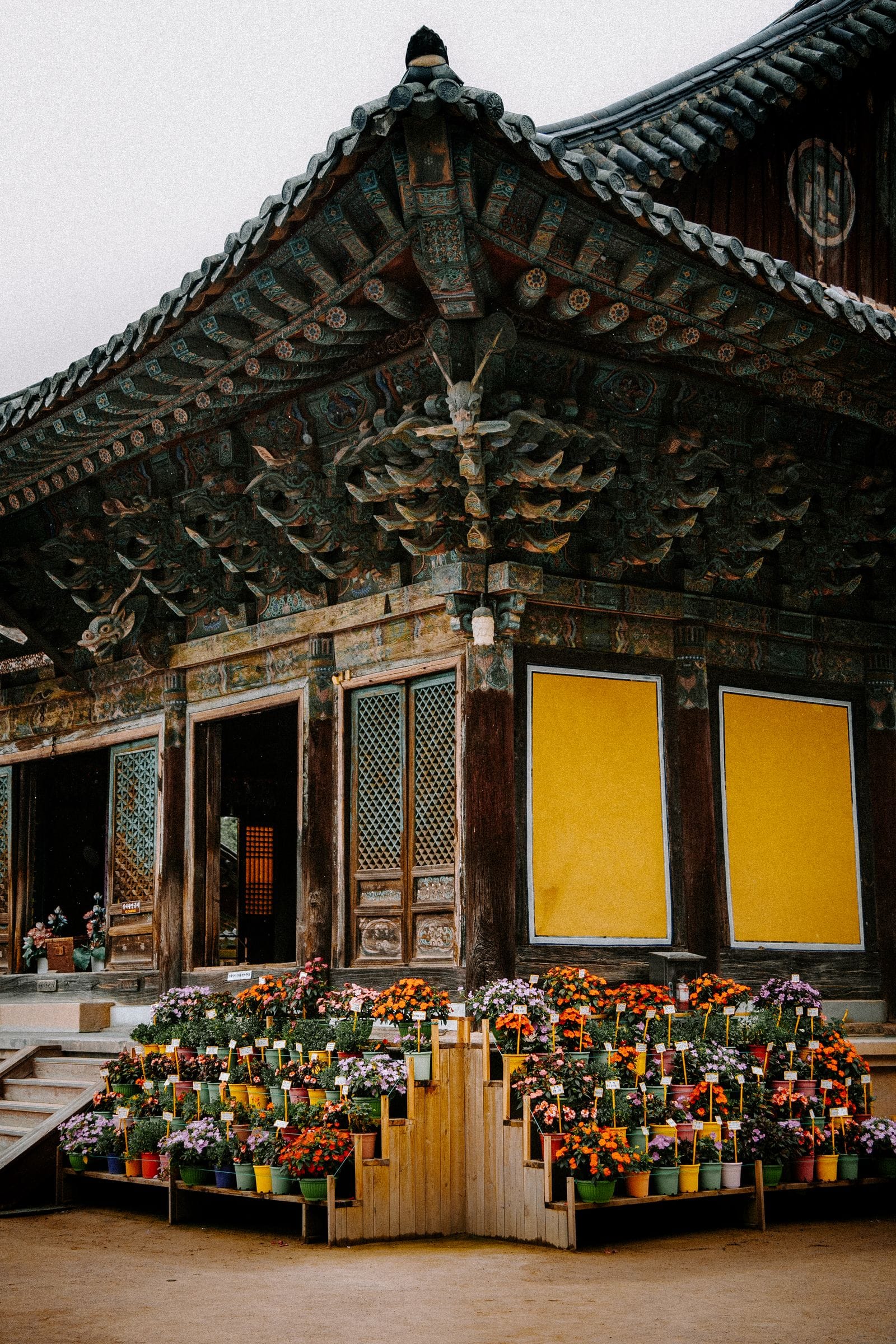
It’s quiet, structured, and surprisingly moving. Expect an early start, a digital detox by default, and a reset that a hotel can’t give you.
What Do You Do on a Temple Stay?
On a temple stay you take part in the monastery’s daily rhythm — guided meditation, a mindful plant-based temple meal, a tea ceremony with a monk, the optional 108 prostrations, and rituals like the dawn bell and chanting. Programs vary by temple, but most weave together a familiar set of activities:
- Meditation — seated practice and walking meditation, gently guided.
- Temple food — a simple, plant-based meal eaten mindfully in the monastic style.
- A tea ceremony — sharing tea and conversation with a monk.
- The 108 prostrations — an optional bowing practice, often paired with threading a prayer-bead bracelet to take home.
- Temple rituals — the dawn bell, chanting services, and lantern lighting.
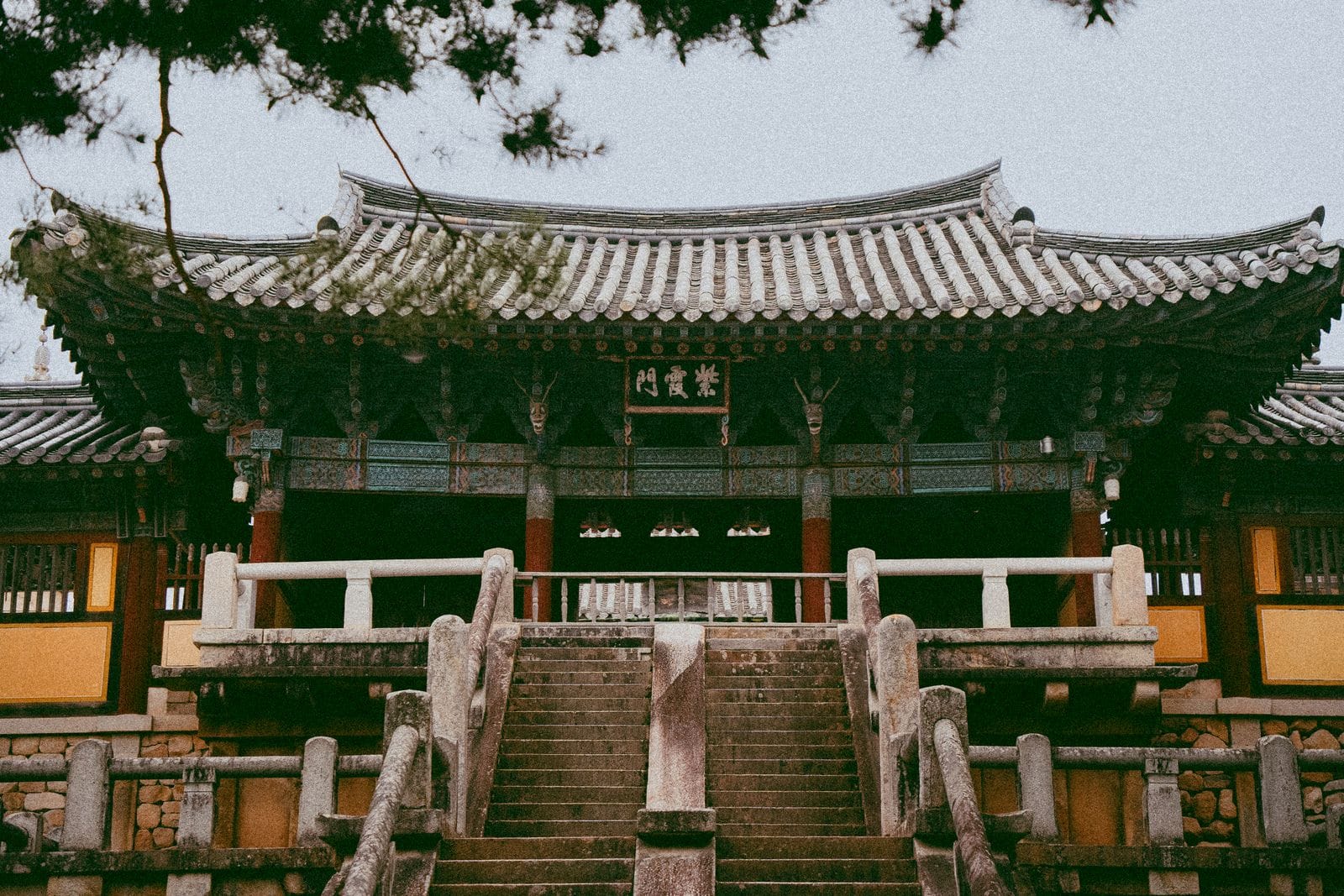
You’re free to take part as much or as little as you like — the point is the calm, not endurance.
Where Can You Do a Temple Stay Near Seoul?
You don’t have to leave the city to try it. In central Seoul, Jogyesa offers accessible day and overnight programs, and Bongeunsa, across from COEX in Gangnam, runs a well-known session with the skyline as a backdrop. For a deeper, mountain-temple feel, head a little farther out to temples in the hills around the capital, or build a stay into a wider trip — places like Beomeosa near Busan and the UNESCO-listed Haeinsa are famous for their settings.
Book through the official Templestay site or a participating temple directly, and check which dates run an English program before you commit.
City temples like these are the easiest option if you’re short on time or unsure about committing to a remote stay — you get the heart of the experience within reach of your hotel. Mountain temples reward the extra travel with deeper quiet, forest walks, and star-filled nights, so if a true escape is the goal, it’s worth building one into a longer trip through the country rather than squeezing it into a short city break.
What Is a Hanok Stay?
A hanok stay swaps the temple for a traditional Korean house — tiled roofs, wooden beams, a central courtyard, and heated ondol floors you sleep on with a mattress laid out at night. It’s a gentler kind of slow travel: the atmosphere of old Korea with a comfortable bed and, often, a modern bathroom.
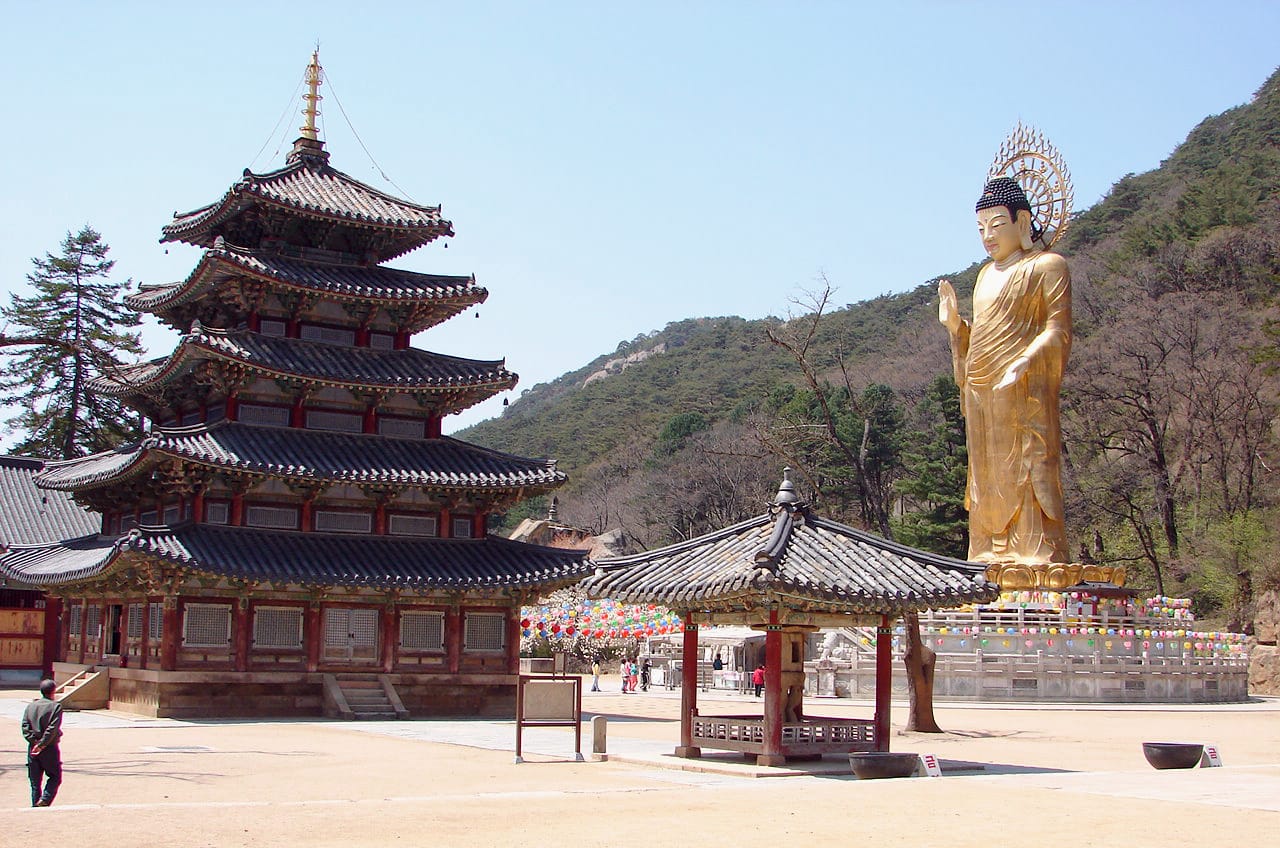
In Seoul, the Bukchon and Insadong area has boutique hanok guesthouses among its preserved lanes. For the fullest version, Jeonju‘s huge hanok village is the country’s best-known place to sleep in one — covered in full in our Jeonju travel guide. You can browse hanok stays in Jeonju’s old town🏨 or traditional guesthouses around Bukchon🏨 to compare.
How Much Does a Temple Stay Cost?
Temple stays are remarkably affordable for what they are. Overnight programs typically run around ₩50,000–100,000 per person, including your lodging, meals, and activities — less for a half-day or day program without the overnight. The price varies with the temple and whether it’s a gentle “relaxation” stay or a fuller experiential one with more guided sessions and chores.
Hanok stays span a wider range. A simple guesthouse room on a heated ondol floor can be genuinely budget-friendly, while a boutique hanok with a private courtyard and a modern bathroom in Bukchon or Jeonju climbs into mid-range hotel territory. Either way, you’re paying for atmosphere and a story rather than five-star amenities — which is exactly the point.
How Do I Book a Temple Stay in Korea?
The simplest way is through the official Templestay website, which lists participating temples, available dates, program types (relaxation, experience, or templestay), and prices — with an English-language booking interface. Search by region, filter by English-friendly programs, and book directly. Most temples require a day or two of advance notice at minimum; popular city temples like Bongeunsa can fill up weeks out during peak seasons.
A few things to confirm when booking: whether your dates include an English-speaking guide or English-language materials; what’s provided (bedding, meals, temple uniform); and the check-in time, since temples usually start programs in the afternoon. If you can’t secure a booking through the official site, activity booking platforms sometimes list temple stay programs as well. The experience itself doesn’t require any religious knowledge or belief — newcomers are genuinely welcomed.
Temple Stay vs Hanok Stay: Which Should You Choose?
They scratch different itches. Choose a temple stay if you want a genuine reset — meditation, early mornings, a digital detox, and a structured spiritual experience. Choose a hanok stay if you want the romance and architecture of traditional Korea with the comfort and freedom of a normal night’s sleep and your own schedule.
Plenty of travelers do both: a hanok night in the city for atmosphere, and a temple night for the quiet. They complement each other better than they compete.
Tips for Booking
- Check the language. Confirm the temple runs an English-language program on your dates.
- Pack modestly. Comfortable, covered clothing is best for temple activities; many provide loose uniforms to wear on site.
- Expect an early night and early start. Temple schedules run to the monastery clock, not yours.
- Book hanok stays ahead. The best traditional guesthouses in Bukchon and Jeonju are small and fill up, especially on weekends.
- Manage expectations on comfort. Temple lodgings are simple and shared bathrooms are common — that’s part of the experience.
Plan Your Trip
Start by booking your flights to Seoul✈️. Once you’re here, a temple stay or hanok night fits perfectly into the wider city experience.
Slot it into a wider trip. Build the rest of your days with our 4-day Seoul itinerary.
Sort a city base too. You’ll likely want a hotel for the rest of your stay — our guide to where to stay in Seoul covers the best neighborhoods, and our guide to getting around Seoul gets you to the temples and villages. For a traditional stay of your own, you can also book a private hanok or home rental🏨.
Disclosure: This post contains affiliate links. If you book through these links, I may earn a small commission at no extra cost to you. I only recommend services I’d use myself.