
Last Updated: June 2026
Quick answer: Seoul is mid-priced for a major Asian capital. A backpacker can travel on about ₩50,000–70,000 a day (excluding the room), a mid-range visitor on ₩120,000–200,000, and a comfort traveler ₩350,000 and up. Public transit is cheap (₩1,400 a ride), street food and local meals are great value, and the big costs are hotels and nightlife.
The cost of traveling in Seoul surprises a lot of first-timers: a subway ride is barely a dollar, a market lunch a few dollars more, and several of the city’s best experiences — the palaces in hanbok, the Han River parks, the night markets — are free or close to it. Where the budget goes is accommodation, sit-down dining, and going out. This guide breaks down real 2026 prices and turns them into daily budgets you can plan around.
All prices are approximate and in Korean won (₩); at mid-2026 rates roughly ₩1,350 ≈ US$1. Figures draw on current cost data from Numbeo and official attraction sites, cross-checked against on-the-ground experience. For how to actually pay for all of this — cash versus card, currency exchange, and T-money — see our money in Korea guide.
Table of Contents
- How Much Does a Trip to Seoul Cost?
- Food & Drink Prices
- Transport Prices
- Attraction Prices
- Accommodation Prices
- Daily Budgets: Backpacker to Comfort
- Is Seoul Expensive?
- How Can You Save Money in Seoul?
- Plan Your Trip
How Much Does a Trip to Seoul Cost?
For most visitors, the cost of traveling in Seoul lands in the middle of the pack for a major Asian city — cheaper than Tokyo or Singapore for food and transport, pricier than Bangkok. Excluding flights, a realistic per-person daily budget looks like this:
| Style | Per day (excl. room) | With mid-range room |
|---|---|---|
| Backpacker | ₩50,000–70,000 | ₩75,000–105,000 |
| Mid-range | ₩120,000–200,000 | ₩170,000–290,000 |
| Comfort / luxury | ₩350,000+ | ₩550,000+ |
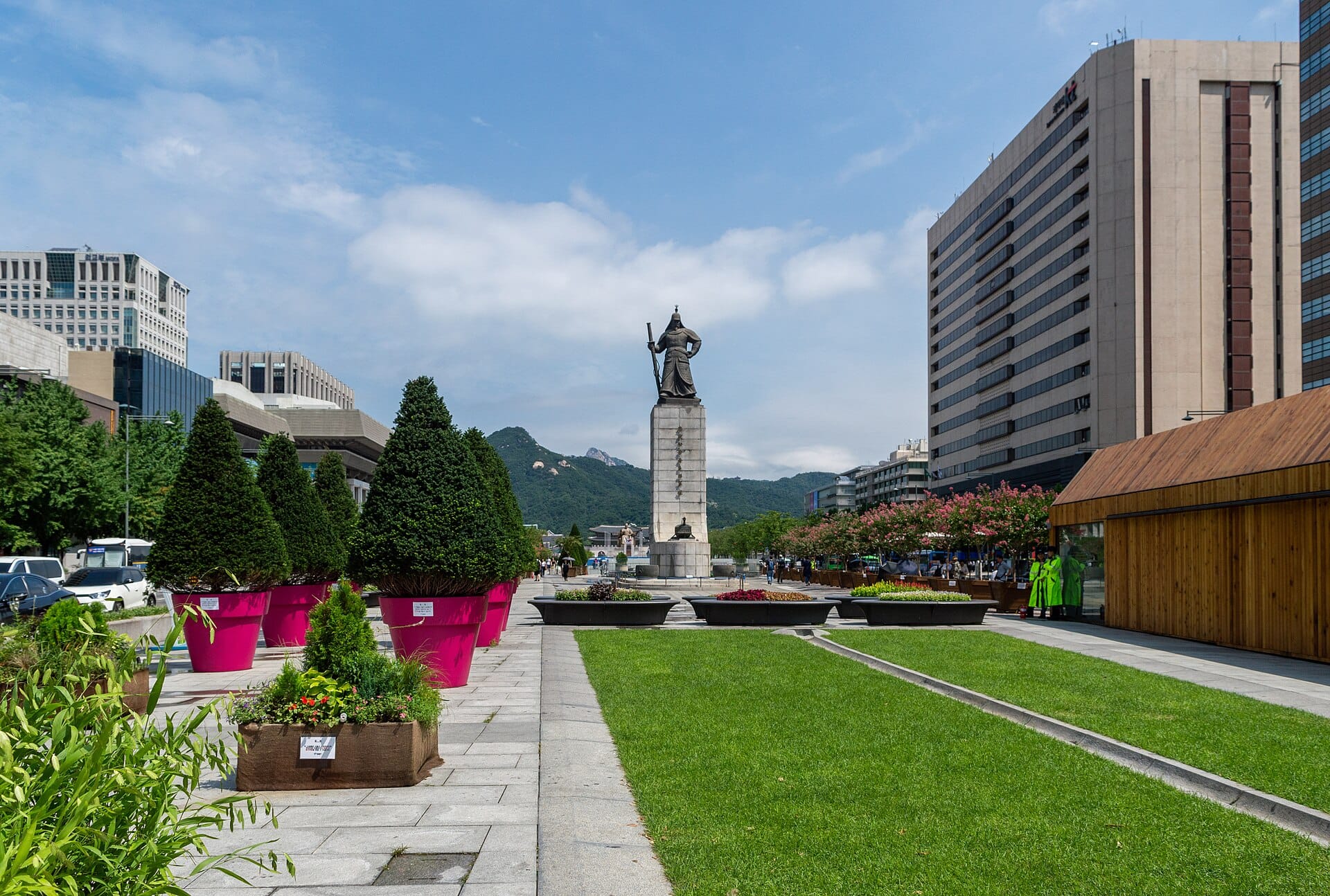
The single biggest variable is your room, followed by how often you eat in sit-down restaurants versus markets and convenience stores. Sightseeing barely moves the needle — many of Seoul’s headline sights are free or only a few thousand won.
Food & Drink Prices
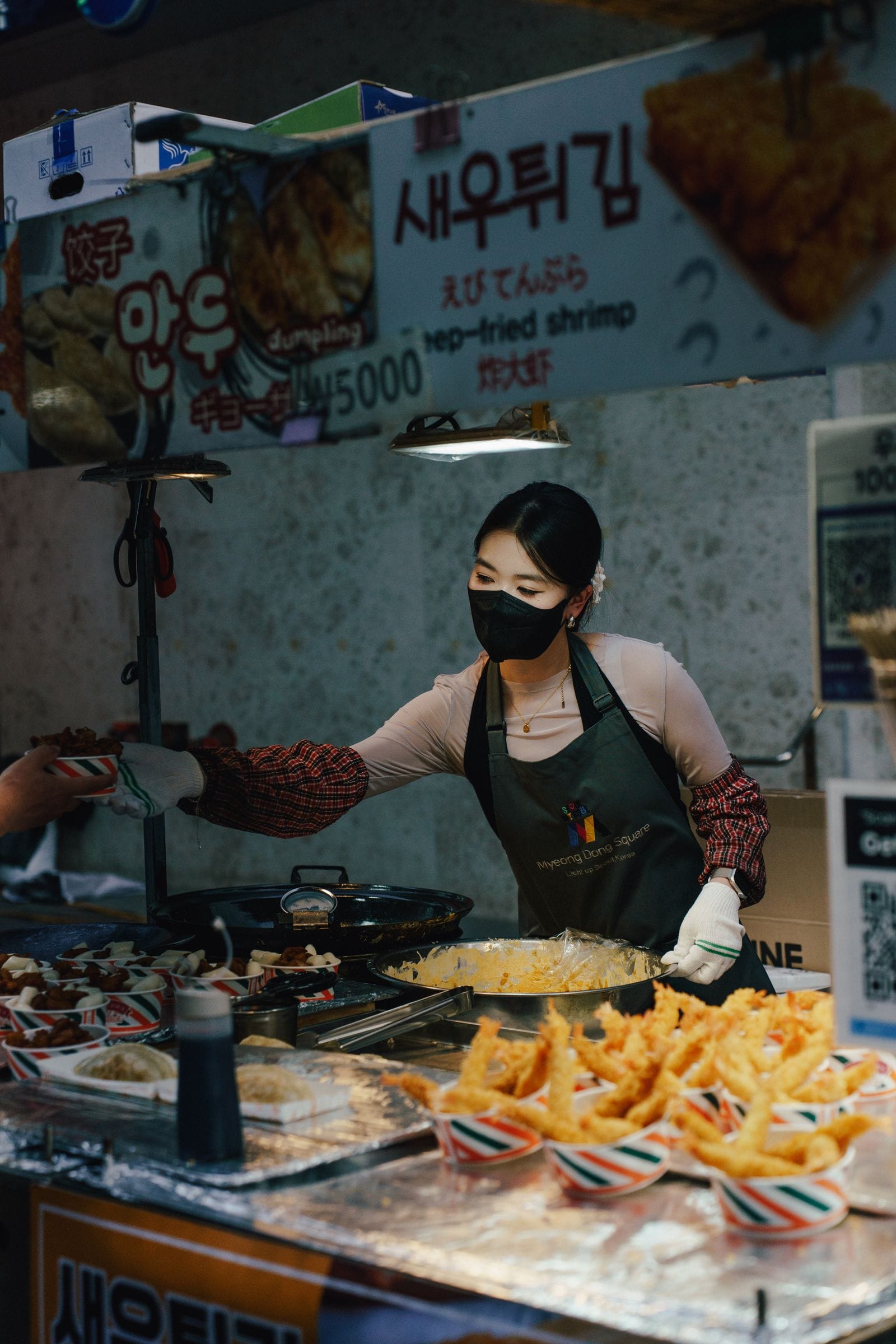
Eating is where Seoul shines for value. You can eat extremely well for very little, and even a blow-out is reasonable by global-city standards.
| Item | Typical price |
|---|---|
| Street-food snack (tteokbokki, hotteok) | ₩2,000–4,000 |
| Convenience-store meal (gimbap, instant noodles) | ₩4,000–6,000 |
| Casual restaurant meal (bibimbap, kalguksu) | ₩8,000–13,000 |
| Korean BBQ, per person | ₩20,000–35,000 |
| Coffee (budget chain / café) | ₩2,000 / ₩5,000 |
| Beer (convenience store / bar) | ₩2,500 / ₩5,000–8,000 |
A day of market street food and convenience-store breakfasts can keep your food spend under ₩20,000; a couple of restaurant meals plus coffee runs ₩30,000–45,000. For what’s worth ordering, see our guide to what to eat in Seoul.
Transport Prices
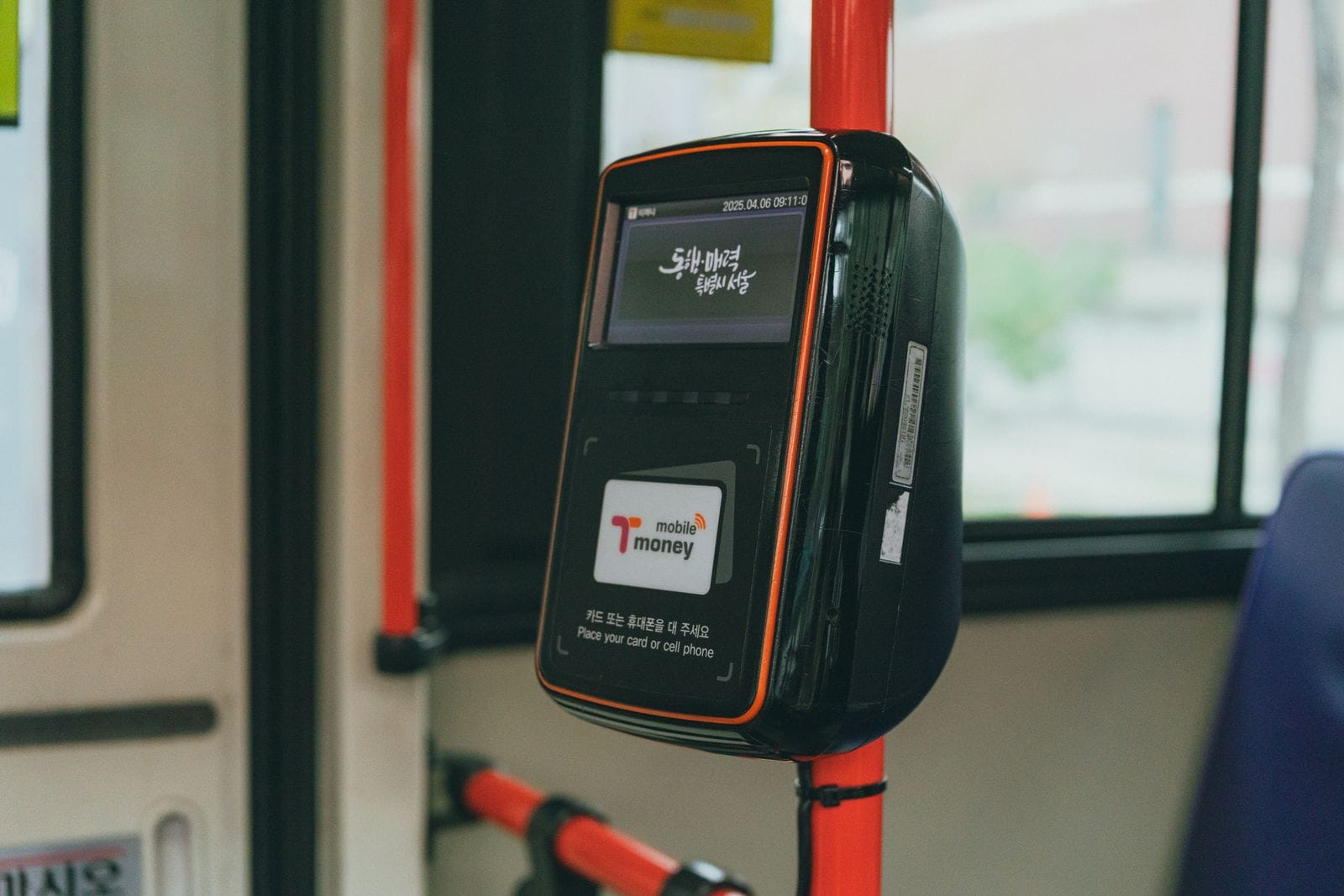
Getting around is one of Seoul’s great bargains. The subway and buses run on a distance-based fare paid with a T-money card, and a single ride is about ₩1,400.
| Item | Typical price |
|---|---|
| Subway / bus ride (T-money) | ₩1,400 |
| Taxi (base fare, then ~₩1,000/km) | from ₩4,800 |
| Airport (AREX all-stop train) | ~₩4,500 |
| Airport (limousine bus) | ~₩17,000 |
| Airport (taxi to city) | ₩65,000–95,000 |
| KTX to Busan (one way) | ~₩60,000 |
Most visitors spend only ₩3,000–6,000 a day on transit. Our guide to getting around Seoul covers the T-money card and apps, and our airport-to-Seoul guide compares every way into town.
Attraction Prices
Here’s the happy surprise: Seoul’s marquee sights are cheap, and some of the best are free. The grand palaces cost a few thousand won — and are free if you wear hanbok.
| Attraction | Price |
|---|---|
| Gyeongbokgung & the royal palaces | ₩3,000 (free in hanbok) |
| N Seoul Tower observatory | ~₩18,400 online / ₩29,000 gate |
| Markets, Han River parks, neighborhoods | Free |
| Changing of the guard, hiking trails | Free |
Booking ahead usually beats the gate price — N Seoul Tower is cheaper online (official rates here), and if you’ll hit several paid sights a multi-attraction Seoul pass🎫 can bundle entry and an airport-train ride. Details on the palaces are in our Gyeongbokgung guide and N Seoul Tower guide.
Accommodation Prices
Your room is the biggest single cost, and it swings widely by type and neighborhood. Rough per-night ranges:
| Type | Per night |
|---|---|
| Hostel dorm bed | ₩20,000–35,000 |
| Budget hotel / guesthouse | ₩50,000–90,000 |
| Mid-range 3–4★ hotel | ₩90,000–180,000 |
| Luxury 5★ hotel | ₩300,000+ |
Where you stay drives both price and convenience. It’s worth booking a central room🏨 early for the best rates — our guide to where to stay in Seoul breaks down the best areas for each budget.
Daily Budgets: Backpacker to Comfort
Putting it together, here’s what a realistic day looks like at each level, per person and excluding the room:
- Backpacker (₩50,000–70,000): hostel dorm, market and convenience-store meals, subway everywhere, free and low-cost sights.
- Mid-range (₩120,000–200,000): restaurant meals, a paid attraction or two, the odd taxi, a few drinks out, coffee-shop breaks.
- Comfort (₩350,000+): fine dining, guided tours and experiences, taxis over the subway, and nights out without watching the tab.
A typical first-timer settles into the mid-range band. To see how little a packed itinerary can cost, our Seoul on a budget guide shows how to keep a great trip cheap.
Is Seoul Expensive?
Not especially — Seoul sits in the comfortable middle. Day-to-day costs like transit, street food, and local restaurants are genuinely cheap, and major sights cost little, so your baseline spend is low. What pushes a Seoul trip up is the same as anywhere: a nicer hotel, frequent restaurant dining, drinks out, and shopping. Control those and the city is excellent value; lean into them and it can match any global capital. Compared with Tokyo or Singapore it’s noticeably cheaper for food and transport, while accommodation is broadly similar.
How Can You Save Money in Seoul?
The biggest savings come from a few easy habits: eat at markets and local spots rather than tourist restaurants, ride the subway instead of taxis, wear hanbok for free palace entry, and lean on the city’s many free attractions — the Han River parks, the neighborhoods, the hiking trails, and the changing of the guard. Booking attraction tickets online and timing a trip outside the spring and autumn peaks both trim costs further. Our Seoul on a budget guide goes deeper on stretching every won.
Plan Your Trip
Set your budget, then book the big rocks. The flight in and out is the one cost that dwarfs everything else on this page, so it pays to watch fares in the months before you go✈️. Accommodation is the next cost that rewards booking early — lock in a central room🏨 and, if you’ll see several paid sights, book tickets and passes🎫 in advance.
Map the days. Our 4-day Seoul itinerary threads the best of the city into a plan, and our where-to-stay guide and getting-around guide handle the logistics.
Disclosure: This post contains affiliate links. If you book through these links, I may earn a small commission at no extra cost to you. I only recommend services I’d use myself.