Last Updated: October 2026
Quick answer: Seollal 2027 — Korean Lunar New Year — falls on Sunday, February 7, 2027. The statutory holiday covers the day before and after (Saturday, February 6 to Monday, February 8), and because Seollal itself lands on a Sunday, Tuesday, February 9 is added as a substitute holiday. That makes a four-day break from Saturday, February 6 to Tuesday, February 9, 2027. Banks, government offices, and many family-run restaurants close, while the subway, convenience stores, big malls, and palaces stay open. KTX trains out of Seoul sell out weeks ahead, so book early if you plan to leave the city.
Seollal (설날) is one of Korea’s two great family holidays — the other is the autumn harvest festival, which we cover in our Chuseok 2026 guide. Where Chuseok falls in mild September weather, Seollal lands in the middle of a cold, dry Korean winter, and that changes how a visitor experiences it. Millions of Seoul residents head to their hometowns, the capital empties out for a few days, and at the same time the city fills with tourists from other countries that also celebrate the Lunar New Year. This guide covers the exact 2027 dates, the customs you’ll actually see, what closes, and how to plan a February trip around it.
Table of Contents
- When Is Seollal 2027?
- What Do Koreans Do on Seollal?
- What Is Closed in Korea During Seollal?
- Are Seoul’s Palaces Free During Lunar New Year?
- Will Seoul Be Crowded Over Lunar New Year?
- When Do Seollal KTX Tickets Go on Sale?
- A Sample Seollal Weekend in Seoul
- Where Should You Stay Over Seollal?
- Plan Your Trip
When Is Seollal 2027?
Seollal is the first day of the first month of the Korean lunar calendar, so its date on the Western calendar moves each year, landing somewhere between late January and late February. In 2027 it falls on Sunday, February 7. Korea’s government calendar for 2027, published by the Korea AeroSpace Administration on June 29, 2026 (reported by Kyeonggi Ilbo), sets the holiday as follows:
- Saturday, February 6 — Seollal eve, the start of the holiday
- Sunday, February 7 — Seollal day itself
- Monday, February 8 — the day after Seollal
- Tuesday, February 9 — substitute holiday, added because Seollal falls on a Sunday
So most Koreans get four days off in a row, February 6–9, and Wednesday, February 10 is a normal working day. Expect the heaviest outbound traffic from Seoul on Friday evening, February 5, and Saturday morning, and the biggest return rush on Monday afternoon and Tuesday, February 9. If you’re flying in or out of Incheon around those dates, allow extra time for the airport too.
What Do Koreans Do on Seollal?
For most families, Seollal is about going home. On the morning of the holiday, relatives gather for charye, a memorial rite in which food is set out for the ancestors, and then for sebae — children and younger family members, often dressed in hanbok, give a deep formal bow to their elders and wish them a happy new year. Elders answer with words of blessing and an envelope of sebaetdon, New Year’s money. The traditional greeting you’ll hear everywhere is “Saehae bok mani badeuseyo” (새해 복 많이 받으세요), roughly “receive lots of luck in the new year.” For a deeper look at the holiday’s history and customs, the Wikipedia entry on Seollal is a good starting point.
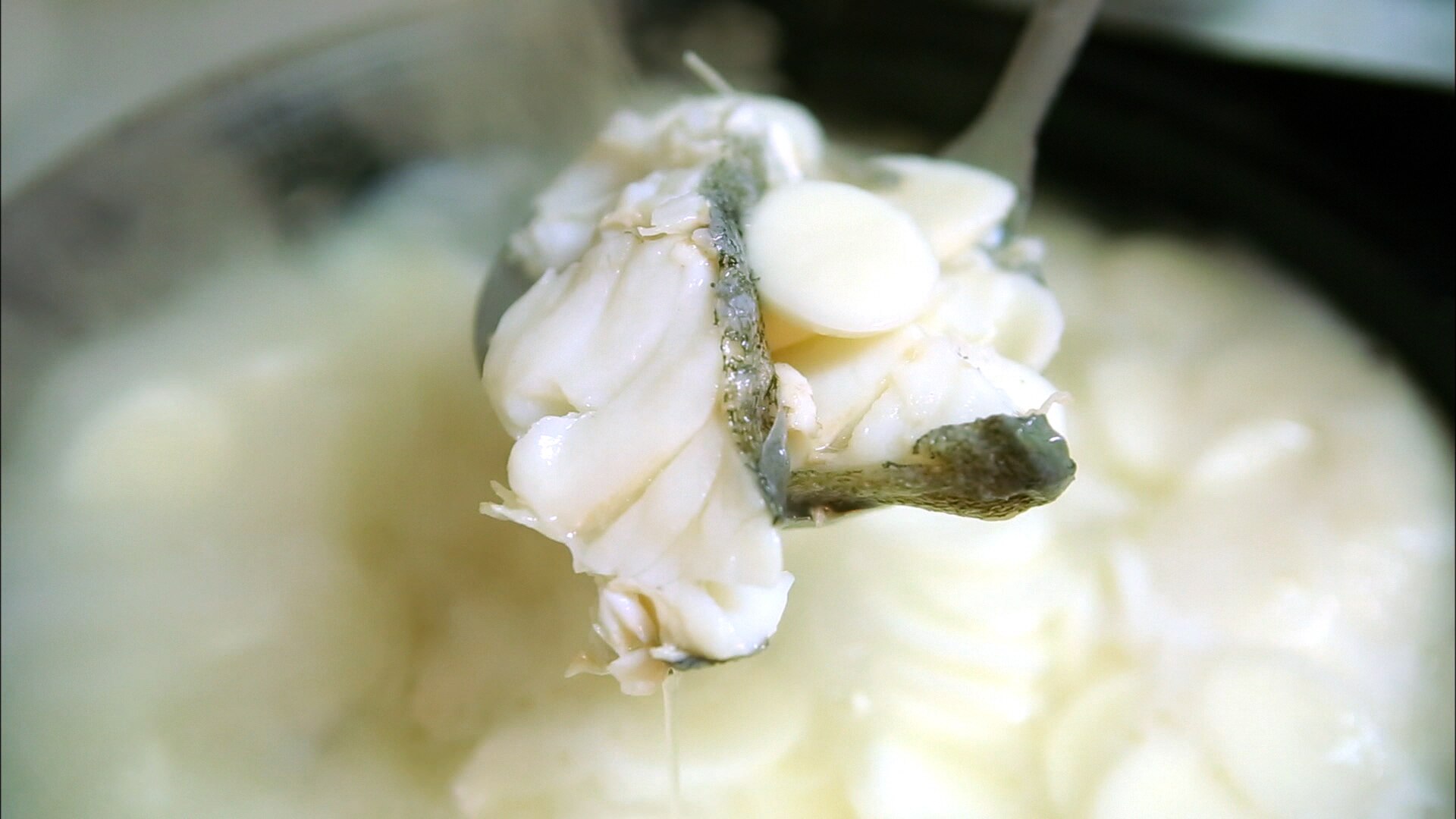
The signature dish is tteokguk, a clear beef or anchovy broth with thin, coin-shaped slices of rice cake, topped with egg and seaweed. Traditionally, eating a bowl on New Year’s morning makes you one year older, and Koreans still joke about it. You don’t need a family invitation to try it: many Korean restaurants add tteokguk to the menu in January and February, and it’s worth asking for at any traditional soup restaurant. The holiday table also includes jeon (savory pancakes), japchae (glass noodles), and sweet rice punch called sikhye. Our guide to what to eat in Seoul covers where to find these dishes the rest of the year.
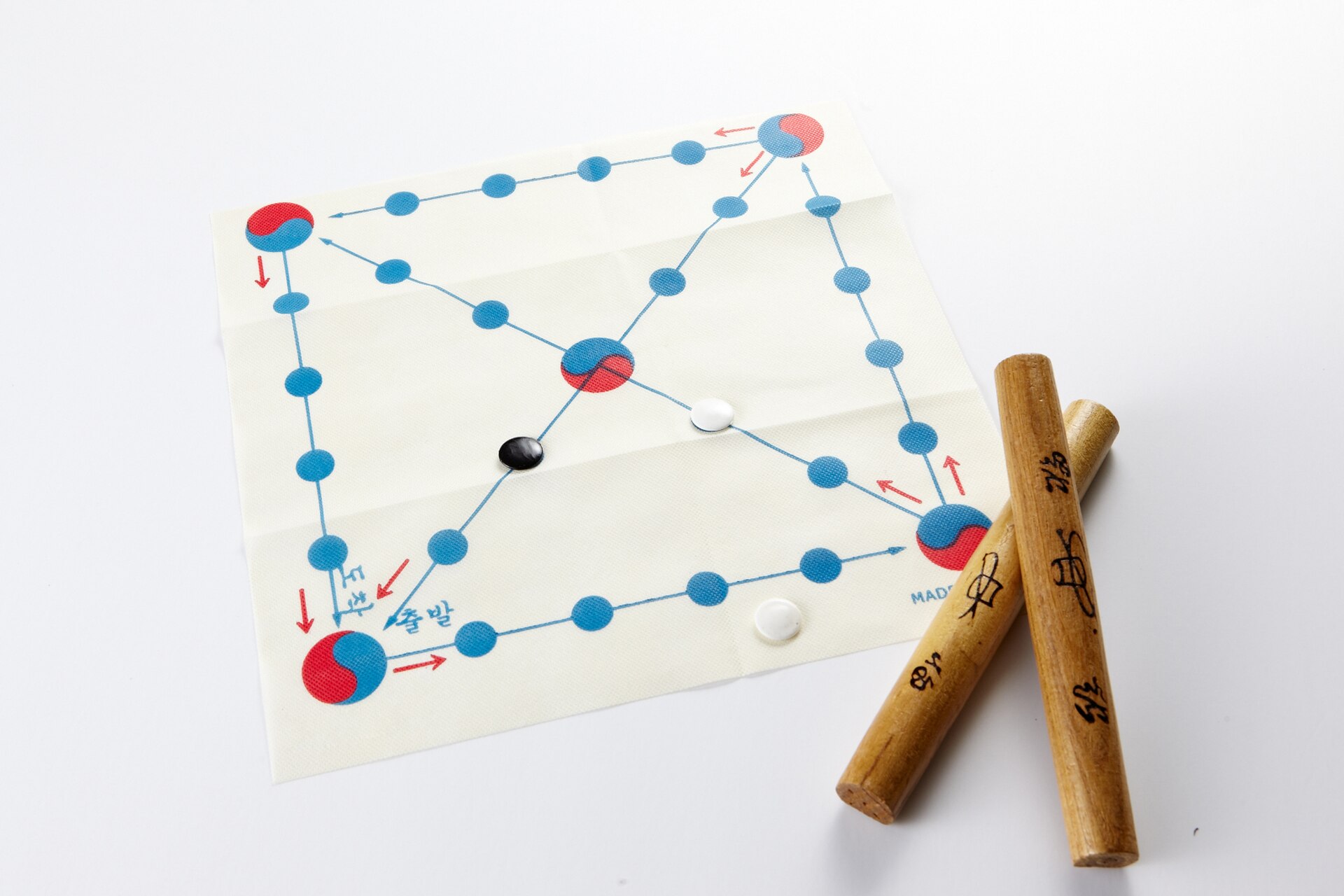
After the meal comes play. Yunnori, a board game where you throw four wooden sticks to move your pieces, is the classic family game, and kite flying, top spinning, and jegichagi (a kind of hacky sack) all appear at the folk-culture events Seoul runs for the holiday.
What Is Closed in Korea During Seollal?
Seollal follows the same closure pattern as other big Korean holidays, but it feels stronger because many small business owners take the full four days off to travel home:
- Banks, post offices, and government offices — all closed February 6–9. ATMs keep working, so take out cash before the weekend; our money in Korea guide explains which machines accept foreign cards.
- Family-run restaurants and cafés — many close for some or all of the holiday, especially on Seollal day itself and the day before.
- Traditional markets — they are packed right before the holiday as families shop for the feast, then many stalls close on February 6–7.
- Some clinics and pharmacies — a rotation of holiday pharmacies stays open; your hotel front desk can find the nearest one.
What stays open: the Seoul subway and buses, every convenience store (open 24 hours as always — see our Korean convenience store guide for what to grab when restaurants are shut), department stores and big malls (some take one day off, usually Seollal day, so check each store’s notice), hotels, chain restaurants in tourist areas like Myeongdong and Hongdae, and most major attractions, including the palaces, N Seoul Tower, and big museums.
Are Seoul’s Palaces Free During Lunar New Year?
Very likely, yes. Korea’s heritage agency has made free entry over the Seollal holiday a regular tradition. For Seollal 2026 (February 14–18), the four main palaces — Gyeongbokgung, Changdeokgung, Changgyeonggung, and Deoksugung — plus Jongmyo Shrine and the Joseon royal tombs opened free of charge for all five days, with no weekly closing day, as Newsis reported. Jongmyo, which normally allows only guided visits on most days, also opened for free self-guided walks, and Gyeongbokgung handed out traditional New Year prints called sehwa at Heungnyemun Gate.
The 2027 program is usually announced only a week or two before the holiday, so treat free entry as likely rather than guaranteed, and check the official VisitKorea site closer to your trip. One detail to watch: Gyeongbokgung normally closes on Tuesdays, and February 9, 2027 is a Tuesday. Past holiday programs have dropped regular closing days, but confirm before you go. One perk needs no announcement at all: visitors wearing hanbok get into all of Seoul’s royal palaces free all year. Our hanbok rental guide lists rental shops near Gyeongbokgung, and the Gyeongbokgung Palace guide covers opening hours and the changing of the guard.
Will Seoul Be Crowded Over Lunar New Year?
It depends on where you are. Seollal pulls Seoul in two directions at once:
- Residential Seoul gets quiet. With so many locals away, roads are emptier, neighborhood streets go still, and the subway is calmer than on a normal weekend.
- Tourist Seoul gets busy. The Lunar New Year is also the biggest holiday in China, Taiwan, Vietnam, and much of Southeast Asia, and Seoul is a favorite short-break destination from all of them. Myeongdong, the palaces, and duty-free shops can be busier than usual across that whole week, and central hotels fill with international visitors even as locals leave.
- Everything leaving Seoul is packed. KTX trains, intercity buses, and domestic flights to Busan and Jeju are the hardest tickets of the year to get on the outbound and return days.
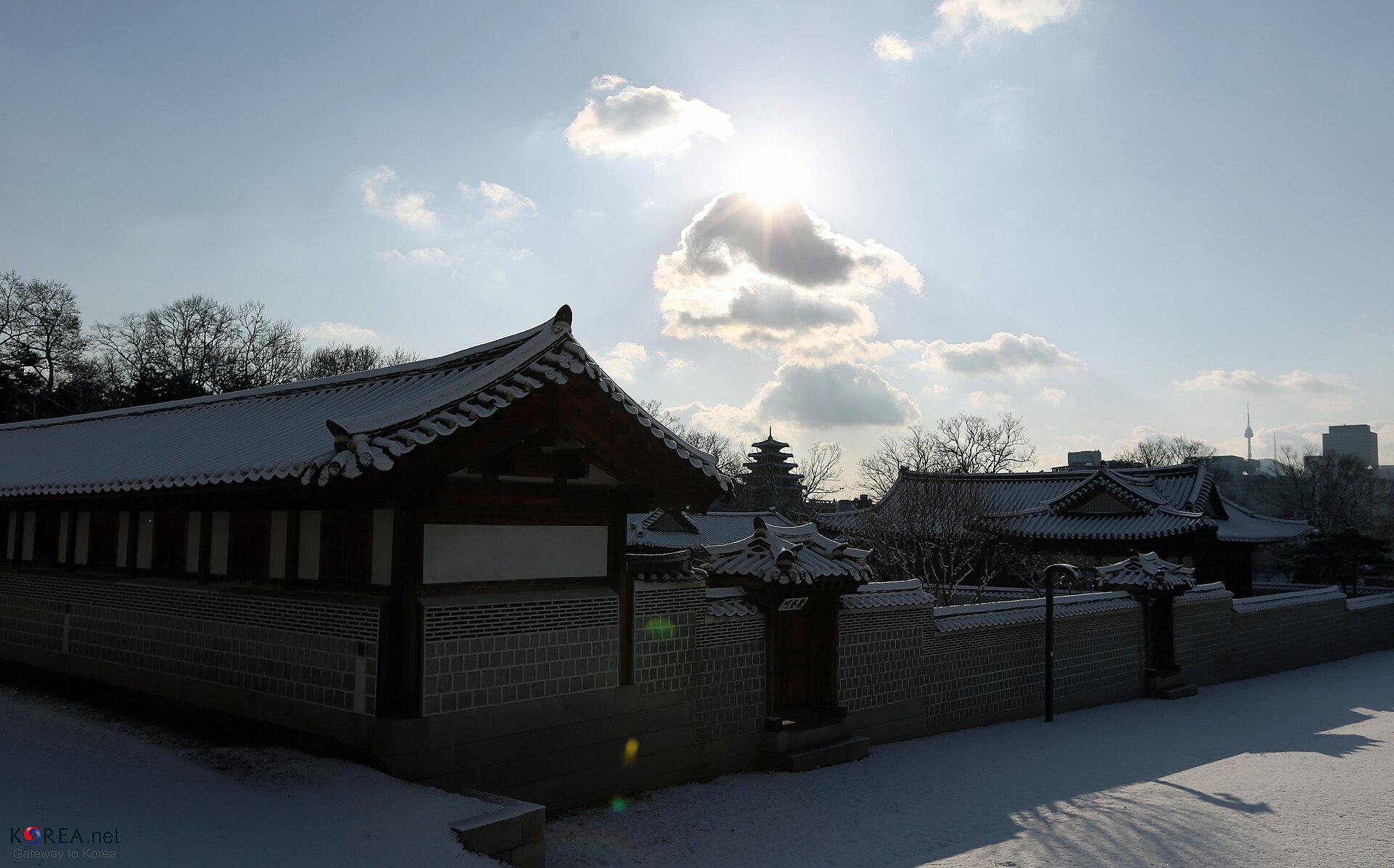
The weather also plays a part. Early February in Seoul is usually around freezing, with dry, cold winds, and it can snow — which turns the palaces into one of the prettiest scenes of the year. Our winter in Seoul guide covers what to pack and how to stay warm, and if you want to use the holiday for the slopes, the ski resorts near Seoul are open, though Lunar New Year is one of their busiest stretches.
When Do Seollal KTX Tickets Go on Sale?
Holiday trains are sold in a special early window, not the usual one-month rolling booking. For Seollal 2026, KORAIL opened priority booking for seniors, travelers with disabilities, and national merit recipients on January 15–16, and general booking ran on January 19–21 — about four weeks before the holiday, according to Hankyung’s report on the 2026 schedule. If KORAIL follows the same timing for 2027, expect the Seollal sales window in mid-January 2027, covering trains from around February 5 to February 9.
Popular trains on the Seoul–Busan and Seoul–Gwangju lines on February 5–6 and February 8–9 can sell out within hours. If your plans include a trip south, reserve your KTX seats🚄 as soon as the holiday window opens, or simply travel on a day outside it — trains on Wednesday, February 10 onward return to normal. Our Seoul to Busan guide compares the KTX with buses and flights, and the Chuseok 2026 KTX ticket guide walks through how the holiday booking window works.
A Sample Seollal Weekend in Seoul
Here’s a simple four-day plan that works with the closures rather than against them:
- Friday, Feb 5 (before the holiday): Visit a traditional market like Gwangjang or Namdaemun while it’s at its busiest, with stalls piled high with holiday food and gift sets. Withdraw cash and stock up on anything you need from a pharmacy.
- Saturday, Feb 6 (Seollal eve): Spend the day at the palaces, ideally in hanbok. Gyeongbokgung and the National Folk Museum next door are the center of holiday activity.
- Sunday, Feb 7 (Seollal day): The quietest day for local businesses. Head to Namsangol Hanok Village or another folk-culture venue, which usually hosts yunnori, kite making, and other traditional games, and eat lunch in a tourist area where chain restaurants stay open.
- Monday–Tuesday, Feb 8–9: Shops and restaurants start reopening. Warm up at a jjimjilbang (Korean spa), go shopping in Myeongdong, or take an easy day trip somewhere you can reach by subway rather than KTX.
If you’d rather have someone else handle the planning, you can book a Seoul cultural experience🎫 such as a palace tour, a hanbok session, or a traditional cooking class; check that the date you pick isn’t one of the operator’s own holiday days off.
Where Should You Stay Over Seollal?
Stay central and close to a subway line. During Seollal, the areas that keep working normally are the tourist districts — Myeongdong, Jongno near the palaces, Hongdae, and Gangnam — and that’s where you’ll find open restaurants and convenience stores within a short walk. Because of the international Lunar New Year crowd, central rooms for the February 5–9 window can book up and rise in price, so it’s worth comparing central Seoul hotels🏨 a couple of months ahead. Our guide to where to stay in Seoul compares the main neighborhoods, and the Myeongdong guide is a good fit if you want the most restaurants open nearby.
Plan Your Trip
Early February is one of the cheaper times to fly to Korea outside the holiday itself, so if you have flexible dates, compare current fares to Seoul✈️ for the weeks before and after February 6–9.
- Check the entry rules. Make sure your passport, K-ETA, or visa situation is sorted with our Korea entry requirements guide.
- Know how to get around. The subway runs normally all holiday — our getting around Seoul guide covers T-money cards and apps.
- Compare the seasons. If your dates are flexible, our best time to visit Seoul guide shows how winter compares with the rest of the year, and the Christmas and New Year’s Eve in Seoul guide covers the other winter holiday.
- Learn the greeting. “Saehae bok mani badeuseyo” said to a shop owner or hotel staff member on February 7 will always get a smile.
Disclosure: This post contains affiliate links. If you book through these links, I may earn a small commission at no extra cost to you. I only recommend services I’d use myself.