
Last Updated: September 2026
Quick answer: The closest ski resorts near Seoul are Jisan Forest and Konjiam, both about 40–50 minutes away and best for a quick half-day or evening on beginner-friendly slopes. Vivaldi Park (about 1.5 hours) is the biggest all-rounder, with a huge shuttle network and a snow-tubing park for non-skiers. Elysian Gangchon (1.5–2 hours) is the only one reachable by train. Yongpyong (2–2.5 hours), Korea’s largest resort and a 2018 Winter Olympics venue, has the most terrain and is worth an overnight. All rent full gear, so you don’t need to own anything to go.
Korea’s ski season runs roughly late November through early March, and one of its best-kept secrets for visitors is how close the slopes are to the capital. You don’t need a car, a week of lessons, or your own gear — several resorts in Gangwon Province and neighboring Gyeonggi-do are reachable as a single day trip from Seoul, with shuttle buses that pick up downtown and rental counters that outfit total beginners from head to toe.
This guide compares the five ski resorts near Seoul that visitors use most, so you can pick the right one for how much time you have, how experienced you are, and whether you’re traveling solo, as a couple, or with a family that includes non-skiers. If you’re weighing a ski day against Seoul’s other winter options, our guide to winter in Seoul covers the season more broadly.
Table of Contents
- Which Ski Resort Near Seoul Should You Choose?
- Jisan Forest & Konjiam — the Closest Resorts
- Vivaldi Park — the All-Rounder
- Elysian Gangchon — the One You Can Reach by Train
- Yongpyong — Korea’s Biggest Resort
- How Do You Get to a Ski Resort from Seoul?
- When Does Ski Season Start in Korea?
- How Much Does Skiing Near Seoul Cost?
- Do You Need Experience or Your Own Gear?
- Practical Tips
- Plan Your Trip
Which Ski Resort Near Seoul Should You Choose?
All five resorts rent full gear and welcome complete beginners, so the real decision comes down to how much time you have and what kind of day you want.
| Resort | Distance from Seoul | Best for |
|---|---|---|
| Jisan Forest | ~40–50 min | Shortest trip, first-timers, evening skiing |
| Konjiam | ~45 min–1 hr | Quick trip with slightly more terrain than Jisan |
| Vivaldi Park | ~1.5 hrs | Families, non-skiers (snow tubing), biggest crowds |
| Elysian Gangchon | ~1.5–2 hrs | Travelers who’d rather take a train than a bus |
| Yongpyong | ~2–2.5 hrs | Serious skiers, most terrain, an overnight trip |
If this is your first time on snow and you only have a spare afternoon, start with Jisan or Konjiam. If you want the fullest experience — the biggest mountain, the longest runs, the most reason to stay over — Yongpyong is worth the extra travel time.
Jisan Forest & Konjiam — the Closest Resorts
Jisan Forest Resort, in Icheon, Gyeonggi-do, is generally the closest ski hill to Seoul — about 40–50 minutes by shuttle or car. It’s small and compact by design, with a handful of well-groomed beginner and intermediate runs and a base area you can walk end to end in a few minutes. That makes it the easiest resort to fit into a trip with limited time, including as a half-day or evening outing after night-skiing lights come on. You can book a ski and snowboard day tour to Jisan🎫 that bundles round-trip transport with gear.
Konjiam Resort, in nearby Gwangju, Gyeonggi-do, is a close second at roughly 45 minutes to an hour away, with slightly more slopes and a more modern base building. It’s a good alternative to Jisan if you want a touch more variety without adding real travel time, and it’s popular for combining with an Everland visit on the same trip since the two are close together. A Konjiam ski resort day tour from Seoul🎫 covers the shuttle and lift ticket in one booking.
Vivaldi Park — the All-Rounder
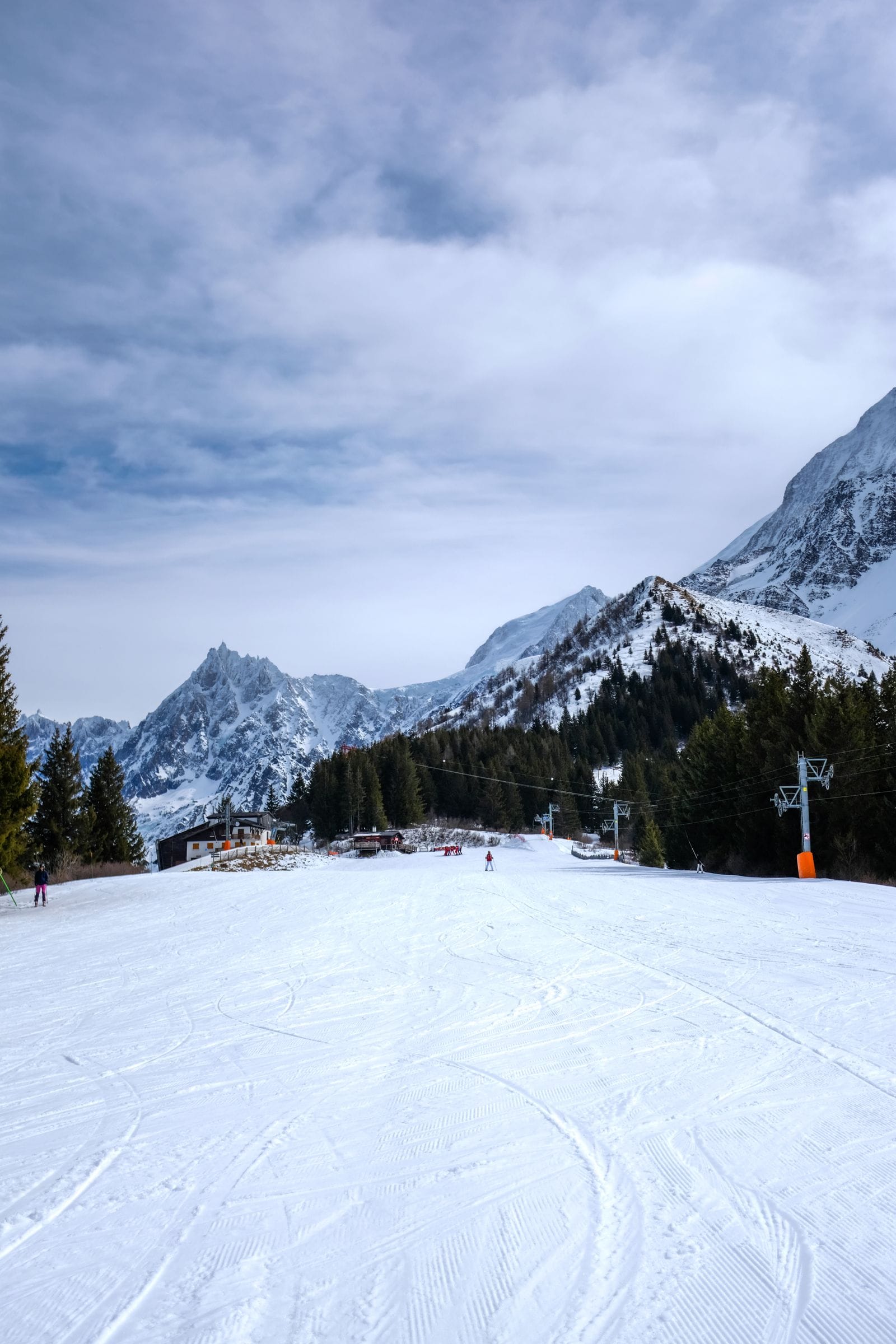
Vivaldi Park Ski World, part of the Daemyung Resort in Hongcheon, Gangwon-do, is about 1.5 hours from Seoul and the resort most visitors mean when they picture a Korean ski trip. It has more slopes than the resorts closer to Seoul, plus one thing none of the others do at the same scale: Snowy Land, an attached snow-tubing and sledding park that makes it the pick for families or groups where not everyone skis. Its shuttle network is also the most extensive of any resort near Seoul, with pickups from multiple hubs including Hongdae and Myeongdong.
The tradeoff is crowds — Vivaldi’s popularity with both domestic and international visitors means lift lines and rental queues run longest here on weekends and holidays. A Vivaldi Park ski and snowboard day tour🎫 that includes a lesson is worth it for first-timers, since instructors and rental staff here are used to non-Korean speakers.
Elysian Gangchon — the One You Can Reach by Train
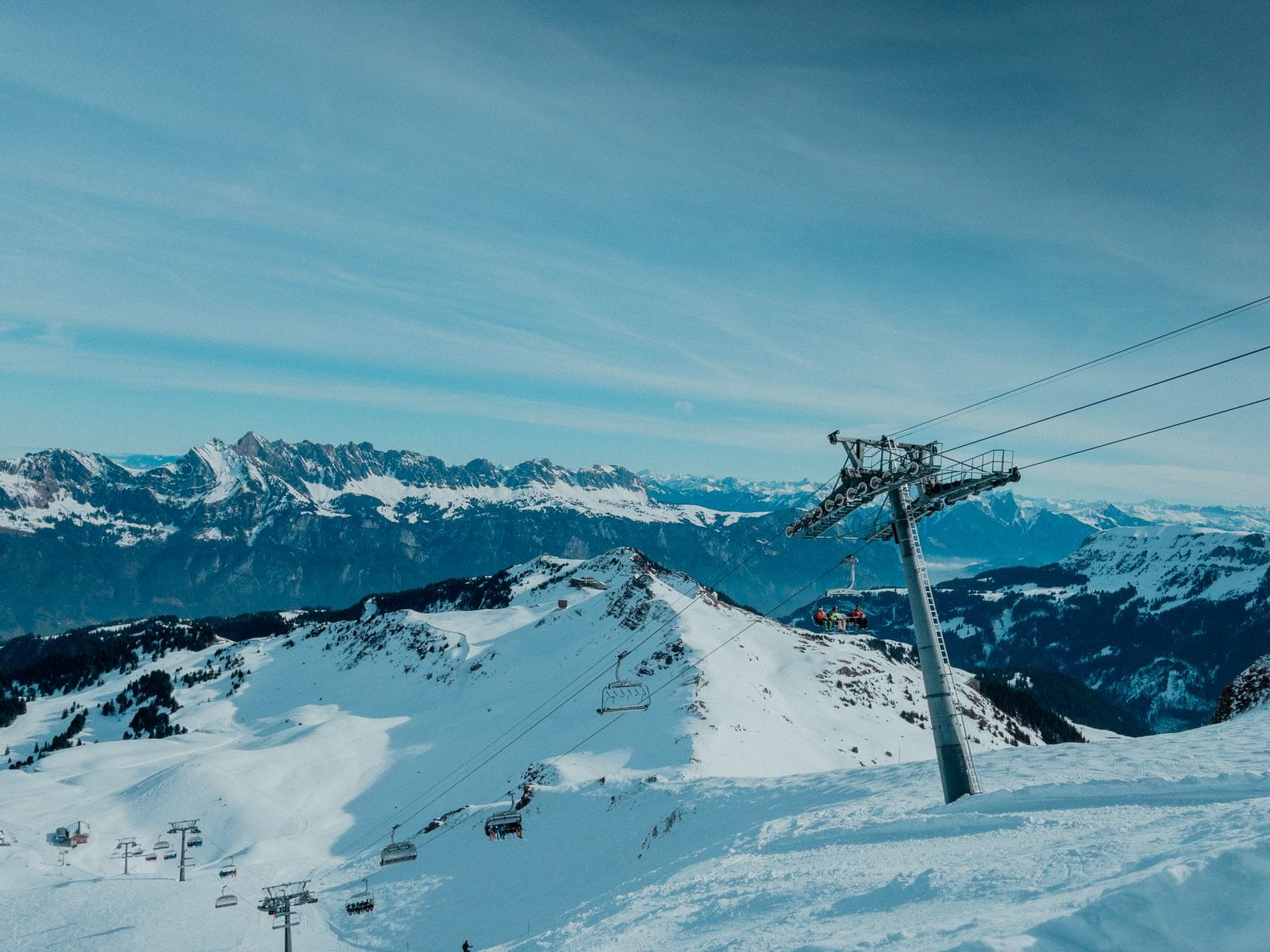
Elysian Gangchon, near Chuncheon in Gangwon-do, is roughly 1.5–2 hours from Seoul and the one resort on this list you can reach without a bus or car for most of the trip: the Gyeongchun Line commuter train runs from central Seoul to Gangchon Station, followed by a short resort shuttle for the last leg. That makes it the best option if you’d rather not deal with expressway traffic or book a shuttle seat in advance.
The resort itself is mid-sized, with a mix of beginner and intermediate runs and a manageable base area that doesn’t feel overwhelming for a first visit. A Elysian ski and snowboard day tour from Seoul🎫 is the simplest way to combine gear, lift ticket, and transport into one booking if you don’t want to figure out the train-and-shuttle connection yourself.
Yongpyong — Korea’s Biggest Resort
Yongpyong Resort, in Pyeongchang, Gangwon-do, is about 2–2.5 hours from Seoul — the farthest on this list, but also Korea’s largest ski resort, with the widest range of terrain from gentle beginner runs to genuine mogul and advanced slopes. It hosted the alpine skiing events at the 2018 PyeongChang Winter Olympics, and the Dragon Peak gondola still carries visitors up to Olympic-run terrain with panoramic views over the Taebaek mountains. Next door, the Alpensia resort area — home to the Olympic ski jump towers and biathlon center — is worth a look even if you don’t ski, and has its own lodging if you want to split your stay.
Because the round trip alone eats up 4–5 hours, Yongpyong is the resort most worth treating as an overnight rather than a rushed day: a full day on the slopes without racing an evening shuttle back. A shuttle bus package to Alpensia and Yongpyong🎫 covers the transport either way, and multi-day packages bundling lift tickets, gear, and on-mountain lodging are widely available if you decide to stay.
How Do You Get to a Ski Resort from Seoul?
Three practical options cover almost everyone:
- Resort shuttle buses. Every resort on this list runs shuttles from central Seoul pickup points — Dongdaemun, Seoul Station, Hongdae, and Myeongdong are common stops. Some are free with a lift ticket purchase; others are a separate paid seat.
- All-inclusive day tours. Booking platforms bundle round-trip shuttle, lift ticket, and full gear rental into a single reservation — the simplest option if you don’t speak Korean and don’t want to navigate a rental shop on arrival.
- Train, for Elysian Gangchon only. The Gyeongchun Line runs from Seoul to Gangchon Station, with a short shuttle covering the final stretch to the resort.
Driving yourself is possible but adds complexity in winter — mountain roads near the farther resorts sometimes require snow chains, and parking fills up fast on weekends. For a first visit, a shuttle or day tour removes that entirely.
When Does Ski Season Start in Korea?
Korea’s ski season typically runs from late November through early-to-mid March, though exact opening and closing dates shift each year with snowfall and snowmaking conditions. For reference, the 2025–26 season opened with Vivaldi Park on November 22 and Yongpyong and Elysian Gangchon on November 29. Resorts confirm the next season’s dates and lift-ticket prices in October and November, so check the resort’s official site or a booking platform close to your travel dates rather than assuming last year’s calendar repeats exactly.
Peak crowds and peak prices hit during Korean winter school break and around the Lunar New Year holiday in the new year, plus weekends throughout the season. Weekday visits, especially outside those windows, mean shorter lift lines, faster rentals, and sometimes lower ticket prices.
How Much Does Skiing Near Seoul Cost?
Most visitors buy an all-inclusive day package — round-trip shuttle, lift ticket, and gear rental — rather than pricing out each piece separately, since it’s simpler and often cheaper than assembling the trip yourself.
| What you’re buying | Typical range (per adult) |
|---|---|
| All-inclusive day package (shuttle + lift + full gear) | ≈ $40–90 depending on resort and season |
| Standalone full-day lift ticket, bought direct | ≈ ₩60,000–90,000, higher on weekends and holidays |
| Gear rental only (skis or board, boots, poles) | ≈ ₩30,000–50,000 per day |
| Beginner group lesson add-on | Often bundled free or for a small add-on fee with day tours |
Warm outerwear (jacket and pants) isn’t always included in a basic package — check what’s covered before you book, and rent it separately on-site if needed rather than buying gear you’ll only use once.
Do You Need Experience or Your Own Gear?
No — every resort on this list rents full equipment and has gentle beginner slopes designed for people who have never stood on skis. Rental counters supply skis or a snowboard, boots, and poles, and most day-tour packages include a short group lesson covering the basics: how to stop, turn, and get back up. If you’re nervous about a language barrier, Vivaldi Park and the closer resorts (Jisan, Konjiam) see the most international visitors and have staff and signage set up accordingly.
Bring your own base layers, gloves, and a warm hat if you have them — most rental packages cover skis and boots but not everything you’d wear underneath a jacket.
Practical Tips
- Book gear and lift tickets in advance for weekends. Rental queues at the popular resorts can run long on Saturdays, Sundays, and around the Lunar New Year holiday.
- Consider night skiing. Most resorts run lit slopes into the evening, often at a lower price than a full day — a good option if you’re only free after a morning of sightseeing in Seoul.
- Pack sunglasses or goggles. Glare off the snow on a clear day is stronger than it looks from the base area.
- Check the weather and traffic before you commit to the farther resorts. Snow and ice can slow the expressway to Gangwon Province, especially on weekend mornings.
- Travel insurance is worth having. Ski injuries aren’t covered by Korea’s national health system for foreign visitors the way domestic care is, and rental shops don’t provide accident coverage.
Plan Your Trip
Start by booking your flights to Seoul✈️, since winter is Korea’s low season for airfare and hotels. Once your dates are set, decide between a rushed day trip to Jisan or Konjiam and an overnight at Yongpyong — if you’re extending the trip toward the Gangwon coast afterward, our guide to where to stay in Gangneung covers bases within easy reach of the mountain resorts.
Fit it into a wider trip. Our guide to day trips from Seoul compares a ski day against Korea’s other easy escapes, and our winter in Seoul guide covers what else the season is good for beyond the slopes.
Disclosure: This post contains affiliate links. If you book through these links, I may earn a small commission at no extra cost to you. I only recommend services I’d use myself.