Last Updated: June 2026
Quick answer: The best time to visit Seoul is autumn (late September–November) for clear skies and foliage, or April for cherry blossoms. Summer is hot and wet with a July monsoon, and winter is cold but the cheapest and least crowded season.
The best time to visit Seoul is spring or autumn — roughly April, and October into November — when the weather is mild, the skies are clear, and the city is at its most beautiful with cherry blossoms or fiery foliage. That said, every season has its case, and the “right” month depends on whether you’re chasing blossoms, dodging crowds, or saving money.
This guide breaks down Seoul season by season — the weather, the crowds, the costs, and what each one is good for — so you can pick your dates with confidence.
Table of Contents
- When Is the Best Time to Visit Seoul?
- Spring (March–May)
- Summer (June–August)
- Autumn (September–November)
- Winter (December–February)
- What’s the Weather Like in Seoul by Month?
- When Are the Cherry Blossoms in Seoul?
- When Is the Cheapest Time to Visit Seoul?
- What Should You Pack for Seoul by Season?
- Plan Your Trip
When Is the Best Time to Visit Seoul?
For the best balance of weather, scenery, and comfort, the best time to visit Seoul is autumn (late September to November) or spring (April). Autumn edges it for many travelers: clear blue skies, crisp air, and golden foliage, without spring’s unpredictable rain. Pick spring if cherry blossoms are the dream; pick winter if you want the lowest prices and don’t mind the cold.
| Season | Weather | Crowds & cost | Best for |
|---|---|---|---|
| Spring | Mild, some rain | High, pricey at peak | Cherry blossoms |
| Summer | Hot, humid, monsoon | Lower, cheaper | Festivals, deals |
| Autumn | Clear, crisp | High | Foliage, sightseeing |
| Winter | Cold, dry | Lowest | Budget, fewer crowds |
Spring (March–May)
Spring is peak season, and for good reason. Temperatures climb from chilly to pleasantly mild, and for about ten days from late March into early April the city fills with cherry blossoms. It’s gorgeous — and busy and pricier to match — with rooms in central areas selling out around blossom peak.
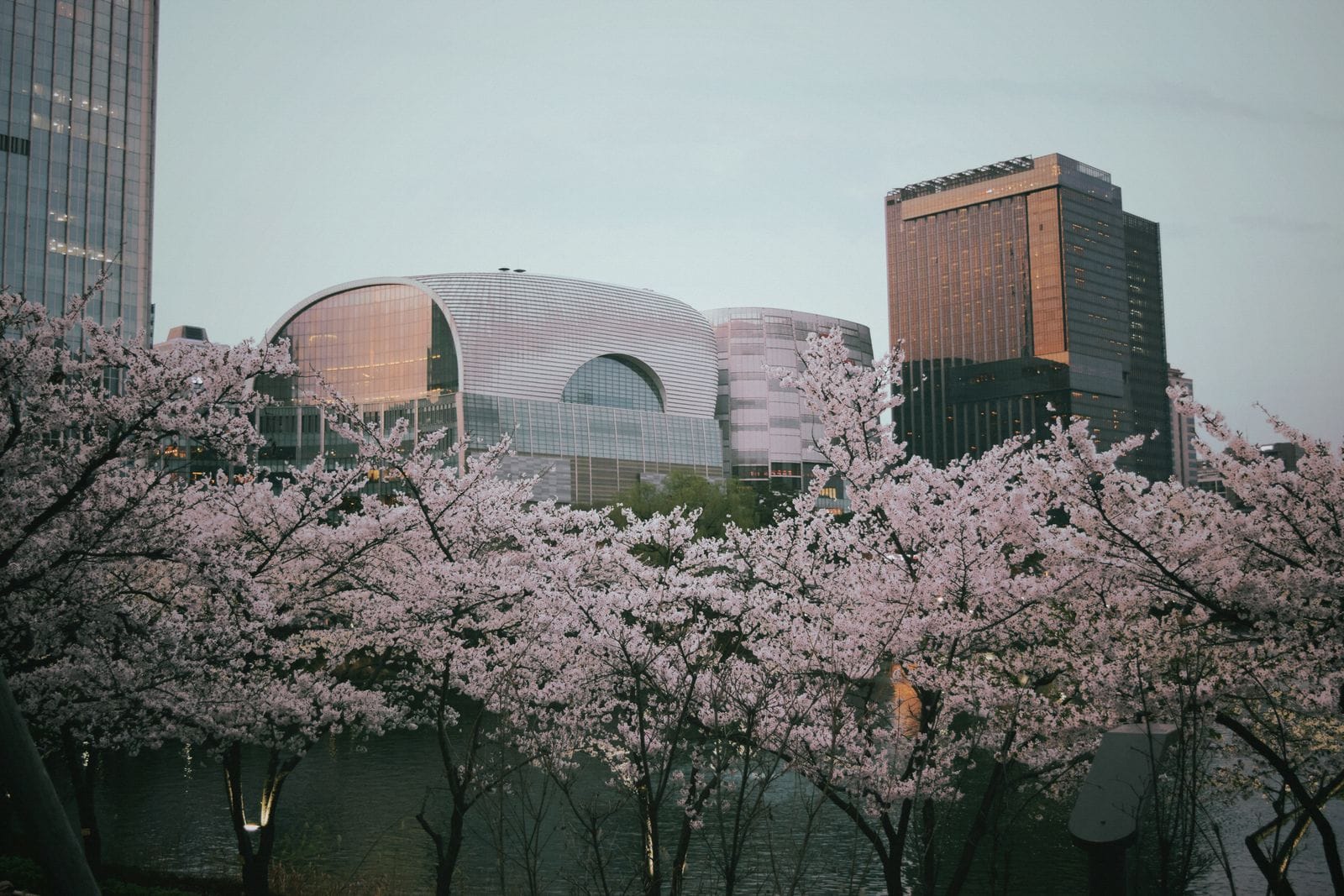
Pack layers: early spring mornings stay cold, and the odd dust-heavy or rainy day rolls through. By May the weather is reliably lovely and the blossom crowds have thinned.
Summer (June–August)
Seoul summers are hot, humid, and wet. The monsoon (jangma) brings heavy rain mainly through July — historically the city’s wettest month at close to 390 mm of rainfall, against barely 20 mm in dry January, per long-term climate records — and August is sticky and warm into the evenings, with daytime highs around 29–30 °C. It’s the low-ish season, so flights and hotels are cheaper and the big sights are a little less crowded. If the city heat wears thin, the southern beaches of Jeju Island are about an hour’s flight away and make an easy summer escape.
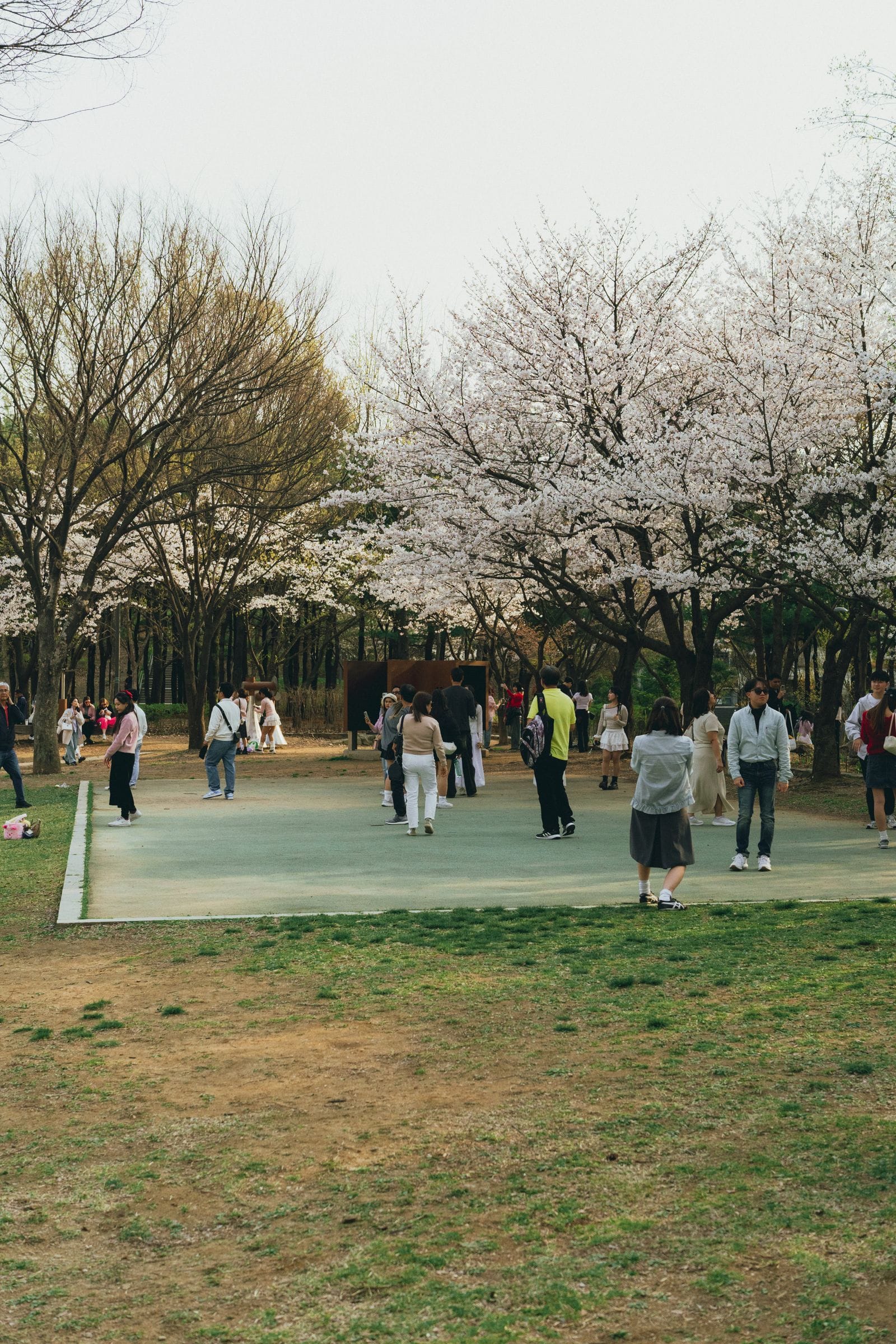
If you come in summer, plan around the heat — indoor attractions, cafés, and night markets in the cooler evenings — and pack an umbrella. The Han River parks and a packed run of summer festivals are the upside of the season.
Autumn (September–November)
For many visitors, autumn is the best season of all. The humidity breaks, the skies turn a clear blue, and from late October into November the city’s trees blaze red and gold — ginkgo-lined streets and maple-filled palace grounds at their finest. Daytime temperatures are comfortable for walking all day.
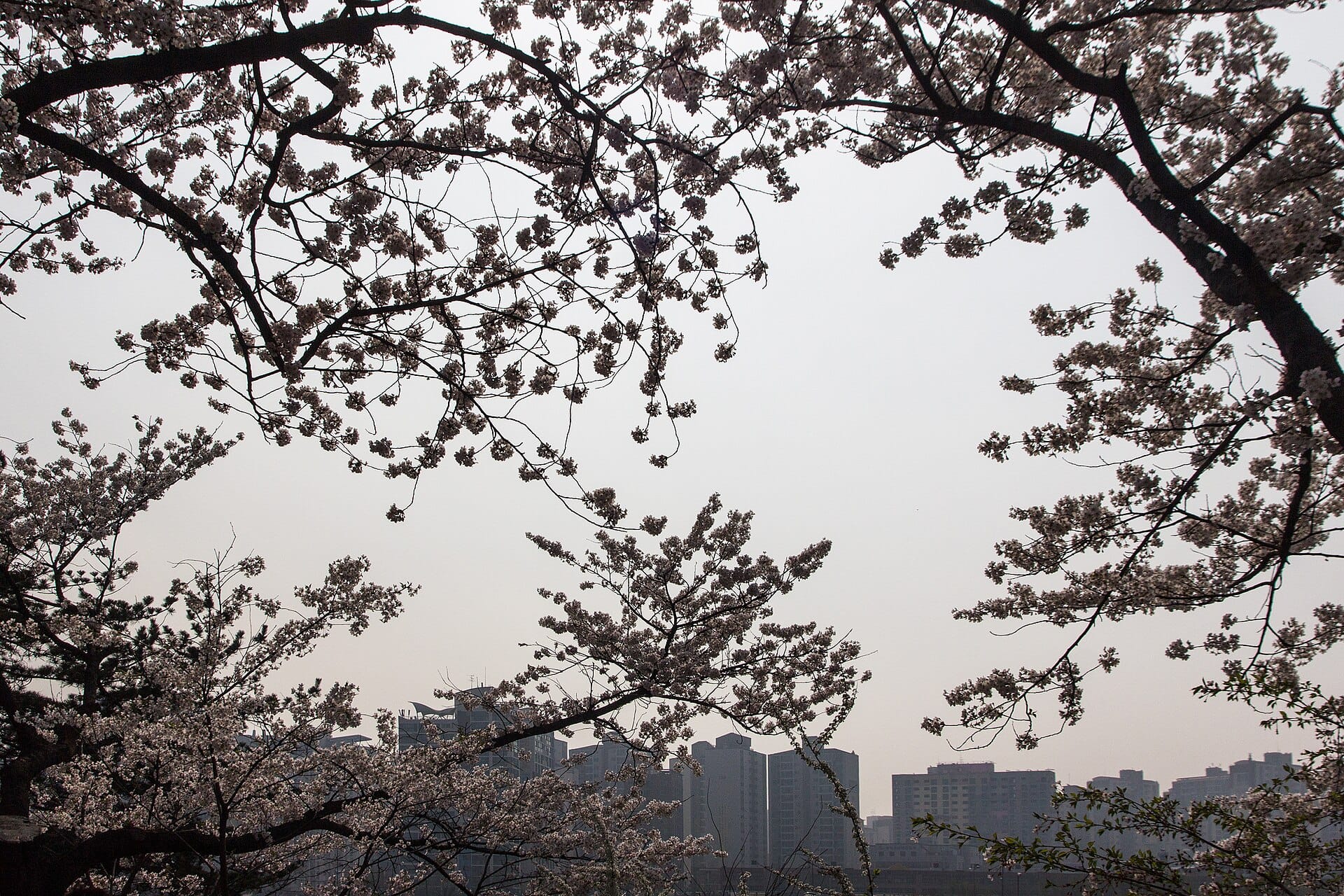
It’s popular, so book ahead for foliage peak, but the weather is the most dependable of the year. If you can only pick one season blind, this is it. Our guide to autumn in Seoul covers the foliage timing and the best spots for fall colors.
Winter (December–February)
Winter is cold and dry, with temperatures often below freezing and the occasional snowfall dusting the palaces beautifully. It’s the quietest and cheapest time to visit, outside the Christmas and New Year window, and the city leans into the season with illuminations, ice rinks, and easy ski day trips to nearby resorts — our guide to winter in Seoul covers the lights, markets, and how to stay warm.
Bundle up properly — a real winter coat, not a jacket — and you’ll have the sights to yourself and money in your pocket. Our guide to winter in Seoul covers what to do, what to pack, and why the season is more rewarding than it looks on paper.
Keep two things in mind, though: the Christmas-to-New-Year stretch brings a brief spike in prices and festive crowds, and the coldest weeks can make long days outdoors genuinely tough. Lean into more indoor time — museums, cafés, markets, bathhouses, and the underground shopping streets — and the season turns from a drawback into a quiet, atmospheric way to see the city with the sights nearly to yourself.
What’s the Weather Like in Seoul by Month?
Seoul swings from freezing, dry winters to a hot, wet monsoon peak in July and August, with the mildest, driest weather in spring and autumn. Here are the 1991–2020 climate normals for each month, per long-term records:
| Month | Avg. high | Avg. low | Rainfall |
|---|---|---|---|
| January | 2.1 °C | −5.5 °C | 17 mm |
| February | 5.1 °C | −3.2 °C | 28 mm |
| March | 11.0 °C | 1.9 °C | 37 mm |
| April | 17.9 °C | 8.0 °C | 73 mm |
| May | 23.6 °C | 13.5 °C | 104 mm |
| June | 27.6 °C | 18.7 °C | 130 mm |
| July | 29.0 °C | 22.3 °C | 414 mm |
| August | 30.0 °C | 22.9 °C | 348 mm |
| September | 26.2 °C | 17.7 °C | 142 mm |
| October | 20.2 °C | 10.6 °C | 52 mm |
| November | 11.9 °C | 3.5 °C | 51 mm |
| December | 4.2 °C | −3.4 °C | 23 mm |
The takeaway: July and August alone bring over 60% of the year’s rainfall, so a summer trip means packing for downpours, while January is the driest and coldest month of the year. April and October–November sit in the sweet spot — mild temperatures with the least rain outside of winter.
When Are the Cherry Blossoms in Seoul?
Seoul’s cherry blossoms usually peak from late March to early or mid-April, with full bloom lasting only about a week to ten days. Exact timing shifts year to year with the winter’s warmth, so if blossoms are your reason for the trip, keep your dates a little flexible and watch the seasonal bloom forecasts that come out in late winter.
Popular viewing spots include the streets around Yeouido, palace grounds, and parks across the city — and they get crowded, so go early in the day. For the full picture — bloom timing, the best spots, and what to do if you miss the peak — see our guide to cherry blossoms in Seoul.
Two 2026 specifics worth checking. Korea added a new top tier to its heat alerts after a record July — here’s what the warnings actually mean if you’re travelling in midsummer. And because Liberation Day falls on a Saturday, Monday August 17 is a substitute holiday, which changes what’s open and how busy the trains are.
When Is the Cheapest Time to Visit Seoul?
The cheapest times are winter (excluding the Christmas–New Year peak) and the height of the summer monsoon. Flights and hotels drop when the weather is least appealing, so if you’re willing to bundle up against the cold or pack for rain, you’ll find the lowest fares✈️ and the smallest crowds of the year. Avoid Korea’s major holidays — Seollal (Lunar New Year) and Chuseok — when domestic travel spikes and many small businesses close (see our Chuseok 2026 guide for the exact 2026 dates and what to expect). Note that 2026 also reinstates a mid-July public holiday, Constitution Day on July 17, so expect some government offices and banks to close that day.
What Should You Pack for Seoul by Season?
What you pack for Seoul depends heavily on the season: layers and a compact umbrella in spring, light breathable clothes and a sturdy umbrella for summer’s monsoon, layers again in autumn, and a proper insulated coat with gloves and a hat in winter. Comfortable walking shoes matter year-round. Here’s the season-by-season breakdown:
- Spring: Layers — a light jacket, a sweater for cool mornings, and a compact umbrella for the odd shower.
- Summer: Light, breathable clothes, strong sunscreen, and a sturdy umbrella for the monsoon downpours.
- Autumn: Layers again — comfortable for warm afternoons and crisp evenings, ideal for all-day walking.
- Winter: A proper insulated coat, gloves, a hat, and warm shoes; the cold is dry but biting, and thermal base layers earn their place.
Whatever the season, bring comfortable walking shoes — Seoul is a city of subways, stairs, and long strolls in every month of the year.
Plan Your Trip
Pick your dates, then plan the days. Once you’ve chosen a season, our 4-day Seoul itinerary maps out a first trip, and our guide to day trips from Seoul adds seasonal escapes like foliage and ski country, many of which you can book as day tours🎫.
Book early for peak seasons. Spring blossoms and autumn foliage fill central rooms fast, so it’s worth booking a central room🏨 — and comparing hotel deals across the big travel sites🏨 — well ahead — our guide to where to stay in Seoul covers the best areas, and our guide to getting around Seoul handles the rest.
Disclosure: This post contains affiliate links. If you book through these links, I may earn a small commission at no extra cost to you. I only recommend services I’d use myself.