
Last updated: June 2026
Quick answer: Korea Constitution Day 2026 (제헌절, July 17) is reinstated as an official public holiday for the first time since 2008. Government offices, banks, and schools close, but the subway runs normally, tourist attractions stay open, and restaurants are unaffected. If your trip falls around mid-July, plan any administrative tasks around the day off — and consider arriving early at the royal palaces, which draw bigger local crowds on national holidays.
What Is Korea’s Constitution Day (제헌절)?
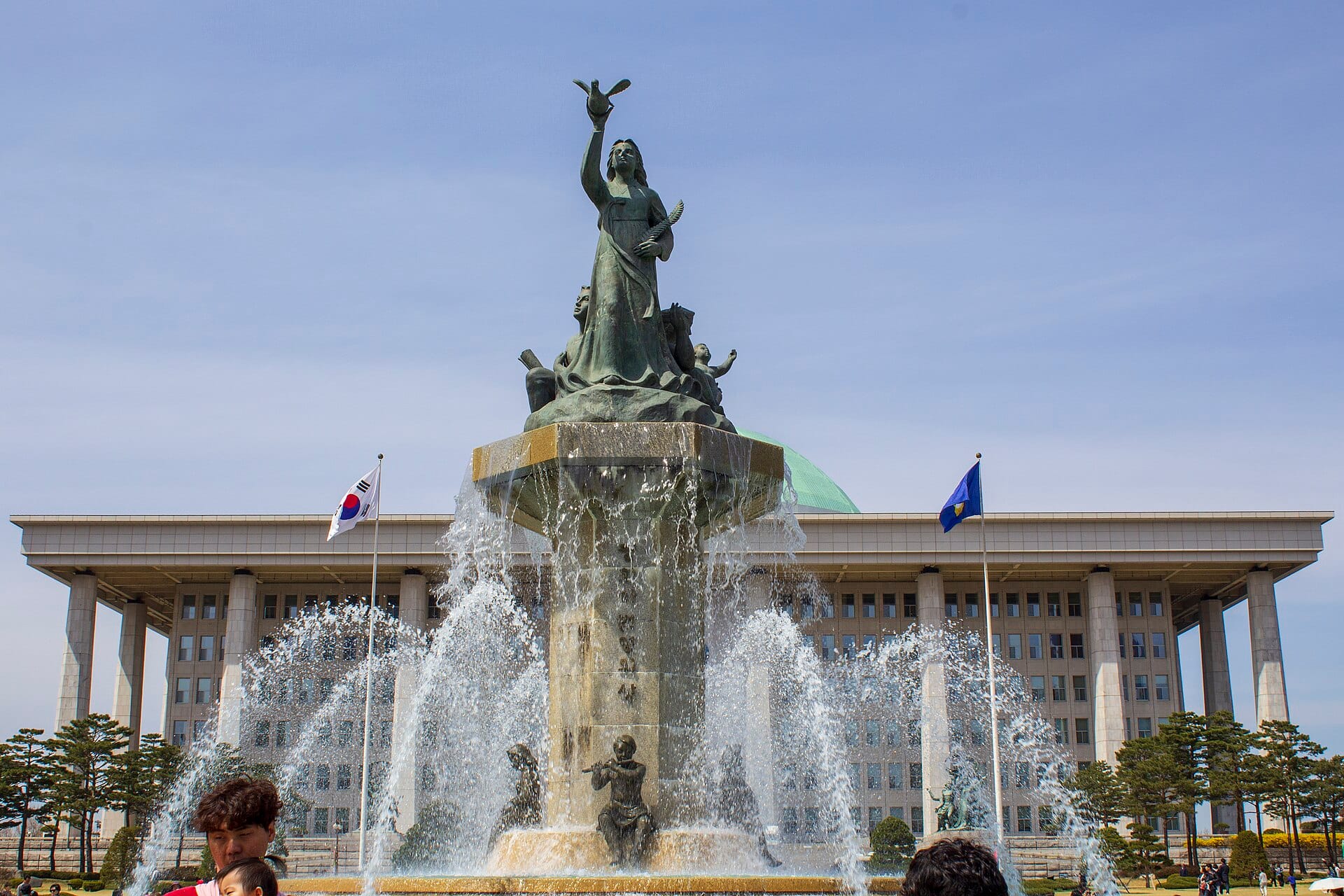
Constitution Day, known in Korean as 제헌절 (Jeheonjeol), commemorates July 17, 1948 — the date South Korea’s first constitution was formally promulgated, establishing the Republic of Korea as a constitutional democracy. The holiday is one of five national founding commemorations in the Korean calendar alongside Liberation Day, Independence Movement Day, Armed Forces Day, and National Foundation Day.
제헌절 was observed as a public holiday from 1949 until 2008, when it was removed from the list of official paid rest days (공휴일) as part of a labour reform intended to standardise the five-day working week. The date remained a national commemoration, but workers and students no longer received the day off. After years of legislative debate, the National Assembly voted to restore it, and July 17, 2026 marks Constitution Day’s return as a full public holiday.
What Closes on July 17, 2026?
Constitution Day follows the standard Korean public holiday pattern. The following are closed:
- Government offices — immigration offices, city halls, district offices (구청), and all public administration counters
- Banks and post offices — ATMs remain operational; in-branch services are not available
- Schools and universities
- Most corporate offices — expect reduced service from Korean businesses
The following stay open as normal:
- Seoul Metro and buses — public transport runs on a standard weekday-equivalent schedule on Korean public holidays
- AREX airport express — operates normally; journey from Incheon Airport to Seoul Station takes 43 minutes
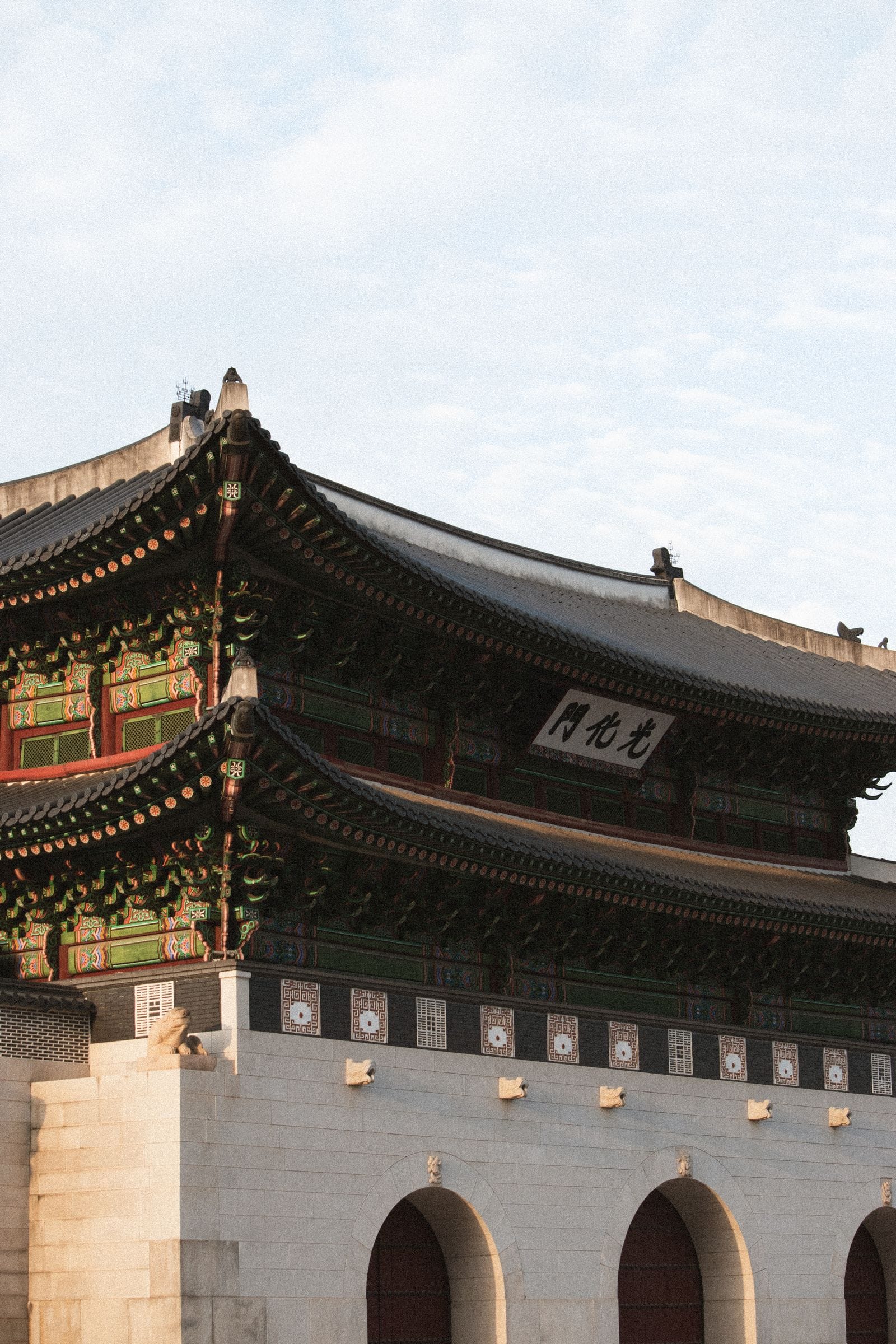
- Tourist attractions — royal palaces (Gyeongbokgung, Changdeokgung, Deoksugung), national museums, parks, and the N Seoul Tower are open
- Convenience stores — CU, GS25, 7-Eleven, and Emart24 operate 24 hours
- Restaurants, cafés, and street food markets
- Shopping malls and department stores — Lotte, Shinsegae, and Hyundai follow regular hours
How Does Constitution Day Affect a Trip to Seoul?
For international visitors, the practical impact is modest. Getting around Seoul is unaffected — the subway is the backbone of the city and runs on an uninterrupted schedule on public holidays. See the Seoul transit guide for T-money card setup and line maps if you haven’t already sorted transport.
A few practical points to plan around:
- Currency exchange: bank branches are closed, but airport and hotel exchange desks usually operate, and ATMs work everywhere. If you need a large cash exchange, do it the day before.
- Visa or immigration services: any appointments at the Korea Immigration Service must be rescheduled. Check the official office calendar if an administrative visit is part of your itinerary.
- Palace crowds: Korean national holidays bring families to Gyeongbokgung and Changdeokgung. Arrive before 10:00 to beat the queue and the midday heat. On some national holidays, certain palace zones offer free admission — check Seoul city’s announcement closer to the date.
Is July a Good Time to Visit Seoul?
July sits at the tail end of Korea’s rainy season (장마), which typically runs mid-June to mid-July. By July 17, the rains are often easing, temperatures reach 30–33 °C, and the city moves into full summer mode. It’s hot and humid but energetic — summer festivals dominate the calendar, and Seoul’s outdoor café and han river scene peaks. The seasonal travel guide breaks down each month’s weather and crowd levels in detail.
The week following Constitution Day is busy: the last ten days of July bring two major summer events — Waterbomb Seoul (July 24–26) and the Boryeong Mud Festival (July 24–August 9). If those are on your list, the Korea summer 2026 guide has everything you need on timing, tickets, and logistics.
What Can I Do in Seoul on Constitution Day?
Constitution Day is a slow morning for locals, which works in a visitor’s favour. The city is not overrun with domestic tourists the way it is on, say, Chuseok or Liberation Day — it’s simply a weekday that most offices treat like a Saturday. A few ideas that suit the pace:
- Royal palace visit — Gyeongbokgung is at its most atmospheric on national days. Arrive for the 10:00 Changing of the Guard ceremony and factor in the National Folk Museum inside the palace grounds.
- Bukchon Hanok Village — quieter on a weekday morning than on the weekend crowds that fill the lane on Sundays.
- Han River picnic — convenience stores are open, rental bikes are running, and Yeouido and Ttukseom riverside parks are a short subway ride from most parts of Seoul.
- Neighbourhood exploration — Seongsu-dong, Insadong, and Hongdae all operate normally; cafés and independent shops are open.
For a full list of what to do across the city, the Seoul things to do guide covers palaces, markets, K-culture experiences, and day trips, organised by interest and time available.
Quick Summary: Korea Constitution Day 2026
- Date: July 17, 2026 (Friday)
- What it marks: South Korea’s first constitution, promulgated July 17, 1948
- Status: Reinstated as an official public holiday in 2026, the first time since 2008
- Closed: Government offices, banks, schools
- Open: Subway, tourist attractions, restaurants, shops, convenience stores
- Traveler impact: Low — plan banking and admin tasks for the day before