
Last Updated: November 2026
Quick answer: If you want to know where to see snow in Korea, look east to Gangwon Province. The highlands around Daegwallyeong and Pyeongchang, plus Seoraksan near Sokcho, get roughly twice as many snowy days as Seoul. Go in late December to mid-February, and January gives the best odds. Seoul does get snow, about seven snowy days in January on average, but it rarely lasts. For snow you can count on, pick a mountain you can reach by cable car or gondola: Seoraksan, Deogyusan, or the upper slopes of Hallasan on Jeju.
For many visitors from Southeast Asia, Taiwan and Australia, snow is the whole point of a winter trip to Korea. The trouble is that the snowy postcard you have in mind is not what most of the country looks like on a typical January day. Seoul is cold and dry, often bright blue, with a few snowfalls a season that melt within a day or two. Busan and the south coast see snow only once in a while. The snow is up in the mountains, mostly along the eastern spine of the peninsula.
This guide explains where snow actually falls, which months to target, and seven places that give you a real chance of standing in it. It also covers how to reach each one from Seoul. If you’re still deciding whether winter is right for you at all, our guide to winter in Seoul covers the weather, events and what to pack.
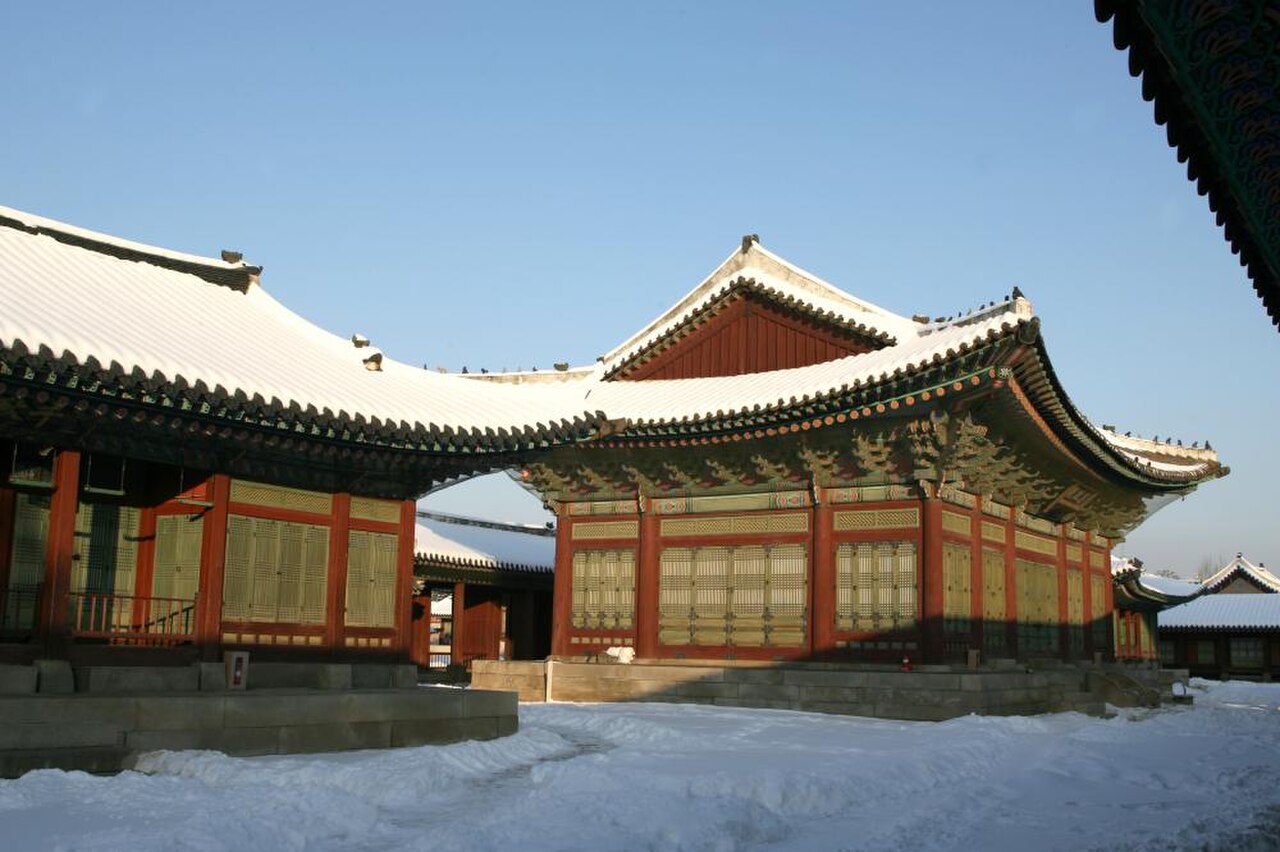
Table of Contents
- Does it snow in Korea?
- When is the best time to see snow in Korea?
- Which parts of Korea get the most snow?
- 7 best places to see snow in Korea
- Can you see snow in Seoul?
- Should you go on your own or join a snow tour?
- What is the forecast for winter 2026–27?
- Practical tips for a snow trip
Does it snow in Korea?
Yes, but where you go makes a big difference. Korea has cold, dry winters driven by the Siberian high. Most of the snow falls when cold air crosses the sea and hits the mountains, so the east and the high ground get far more than the cities on the plains.
The numbers show the gap clearly. According to the Korea Meteorological Administration’s 1991–2020 normals (as summarised on the Climate of Seoul page), Seoul averages 6.4 snowy days in December, 7.1 in January and 5.1 in February, with January daytime highs around 2°C. Daegwallyeong, the high pass above Pyeongchang, has a January low of about −12°C, and KMA’s longer-running snow records (1981–2010) show about 13 snowy days in January and roughly 57 a year. A “snowy day” only means some snow fell; on many of Seoul’s it is a light dusting that has gone by lunchtime.
So the honest answer is that you will probably see snow falling somewhere on a two-week January trip. But if you want deep snow that is still there in the morning, plan a day or two in the mountains.
When is the best time to see snow in Korea?
January is the safest month, with late December and the first half of February close behind. December snow is less reliable at lower levels. By late February, snow in Seoul and the lowlands melts quickly, though the high mountains often stay white into March.
| Month | Seoul & lowlands | Gangwon mountains | Verdict |
|---|---|---|---|
| Late November | First flurries (average first snow in Seoul is around November 20) | Early snow on the peaks | Too early to plan around |
| December | A few snowfalls, rarely settling | Snow builds up; ski season opens | Good from mid-month |
| January | Most snowy days of the year | Deepest, most reliable snow | Best month |
| February | Fewer snowfalls, melts fast | Still deep, festivals running | Very good, especially early |
| March | Spring arrives | Late snow on high peaks | Only for mountain hikers |
Winter festivals follow the same calendar. The ice and snow festivals in Gangwon run through January and into early February. Our Korea winter festivals guide compares them, and the Hwacheon Sancheoneo Ice Festival is listed for January 9–31, 2027. If your dates are fixed around Seollal (Lunar New Year), check our Seollal 2027 guide first. Transport sells out and many places close over the holiday.
Which parts of Korea get the most snow?
Gangwon Province, in the northeast, is the snowiest part of mainland Korea. The Taebaek Mountains run down its eastern side, and that ridge catches moist air coming off the East Sea. The result is heavy, frequent snow on the highlands (Pyeongchang, Daegwallyeong, Taebaek) and on the coastal mountains around Seoraksan and Gangneung.
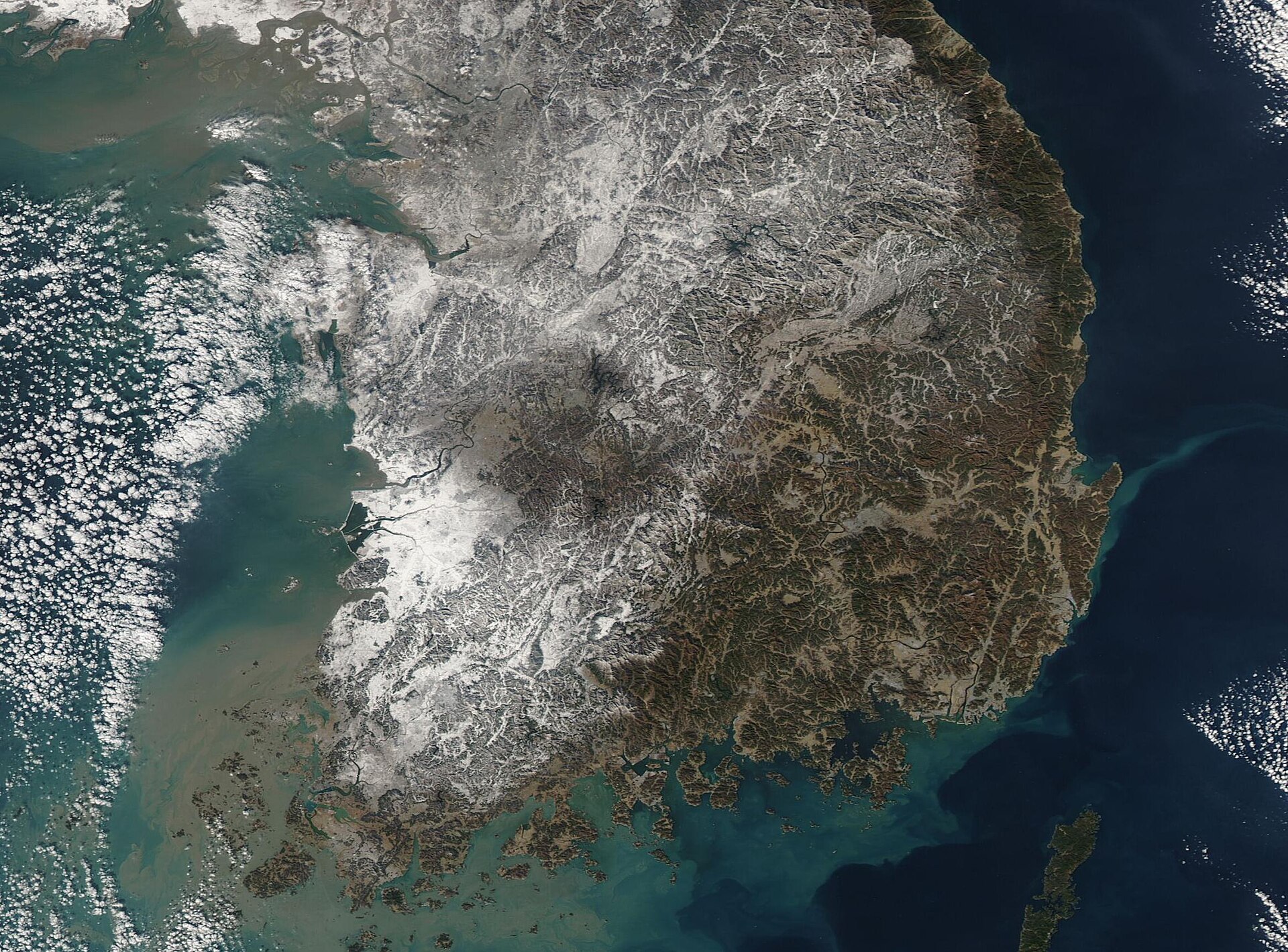
Outside Gangwon, snow is concentrated on high ground. Deogyusan in North Jeolla province and Hallasan on Jeju are the two big mountain options. The western plains around Seoul and Incheon get occasional snowfalls. The southern coast, including Busan, Tongyeong and Yeosu, very rarely sees snow settle, so don’t plan a snow trip around Busan.
Jeju is a special case. The coastal towns stay mild, often above freezing, while the upper slopes of Hallasan can be buried under a metre of snow. That makes Jeju one of the few places where you can walk on a snowy mountain in the morning and eat by a beach with no snow in sight in the afternoon.
7 best places to see snow in Korea
These are ranked by how likely you are to find snow on an ordinary January day, balanced against how easy they are to reach without a car.
1. Daegwallyeong & Pyeongchang highlands (Gangwon)
This is the most reliable snow on the mainland. Daegwallyeong sits at about 700–800 m on the pass between Pyeongchang and Gangneung. It gets twice as many snowy days as Seoul, and snow tends to stay on the ground for weeks. The hills are home to sheep and cattle ranches. Their rolling white pastures dotted with wind turbines are the “Korean Alps” photos you see on social media. The sheep stay indoors in deep winter, so you come for the scenery. Opening hours change with the weather, so check before you go.
Pyeongchang hosted the 2018 Winter Olympics, and its resorts (Yongpyong and Alpensia) are the biggest ski areas in Korea. Our ski resorts near Seoul guide compares them with the closer options. Getting there: KTX trains run from Seoul Station to Pyeongchang and Jinbu (for Odaesan) on the Gangneung line in under two hours. From there, local taxis and resort shuttles cover the last stretch.
2. Seoraksan National Park (Sokcho)
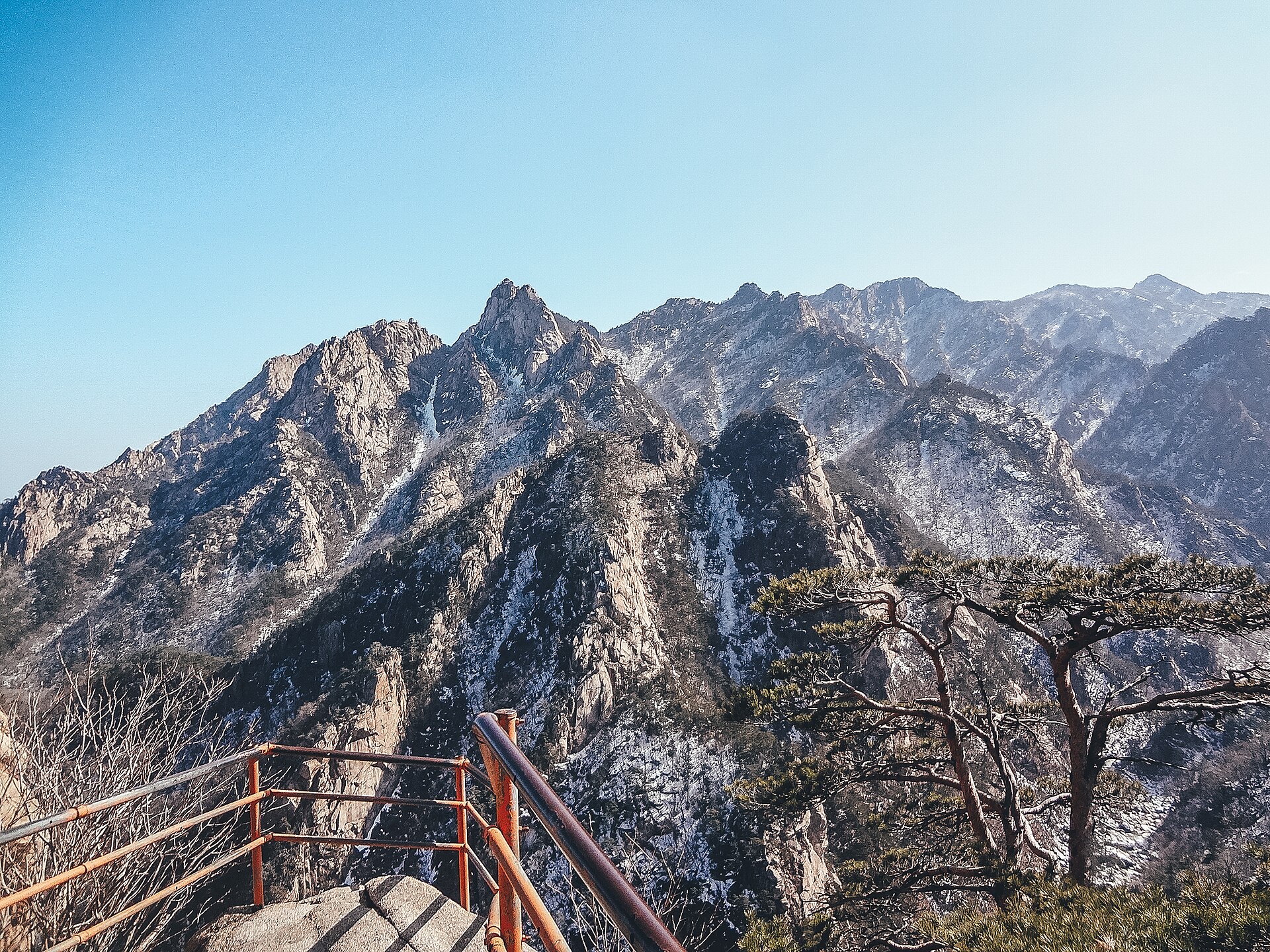
Seoraksan is the most dramatic snow scenery in Korea. Granite pinnacles, frozen waterfalls and temple roofs are all dusted white. The cable car from Seorak-dong lifts you toward Gwongeumseong fortress, so you can see snowy peaks without a winter hike. The high ridges are serious mountaineering terrain in winter, and the park closes some trails during heavy snow. Check the Korea National Park Service site before you set out.
Getting there: Express buses run from Seoul to Sokcho in about 2.5 hours, and city buses go from Sokcho to the park entrance. Sokcho is also a good base, with a seafood market and a beach. Our Seoraksan hiking guide covers the trails, and where to stay in Sokcho compares the areas. If you’d rather not handle buses, day tours from Seoul to Seoraksan🎫 run all winter.
3. Deogyusan (Muju, North Jeolla)
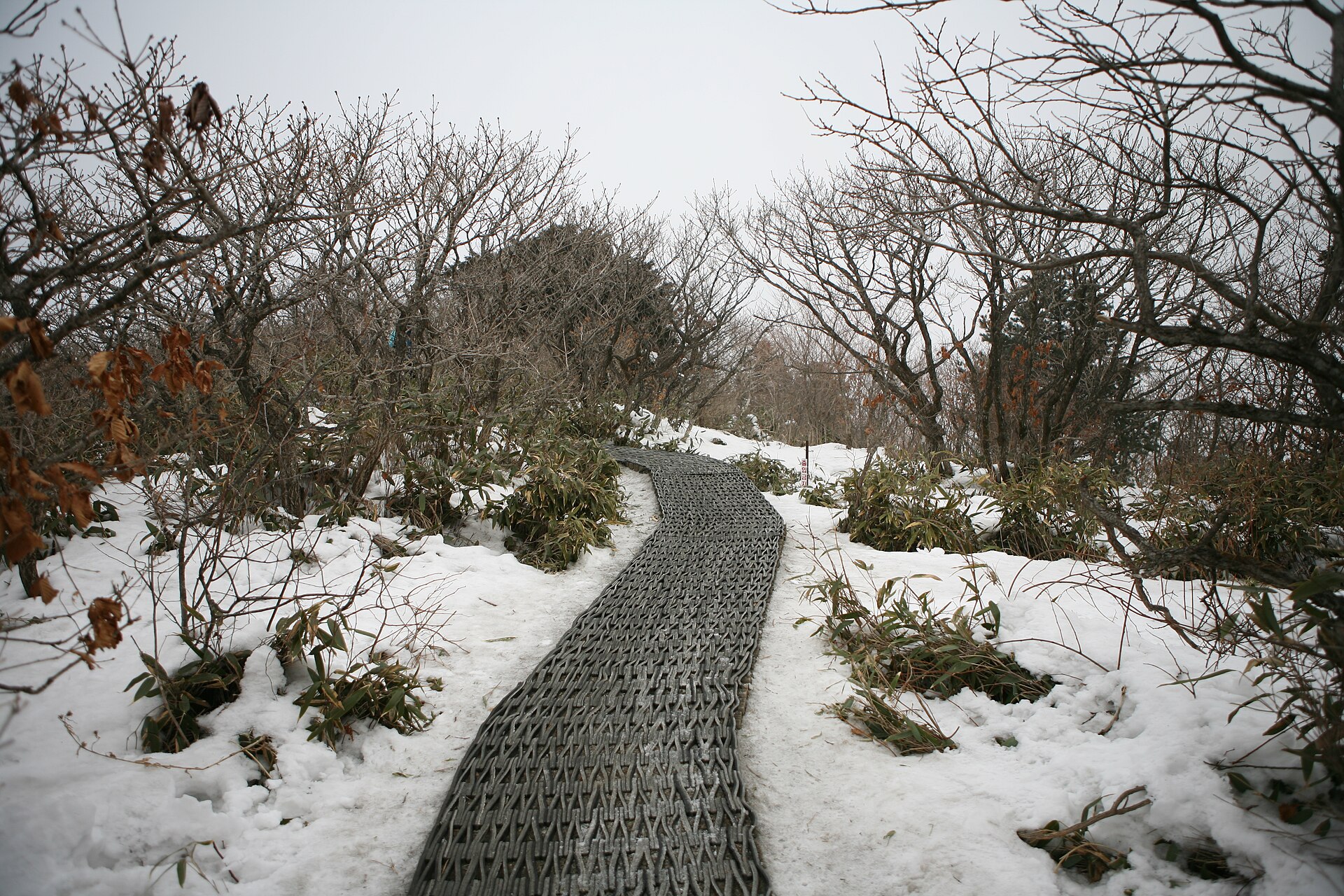
Deogyusan is the easiest way to see rime ice (frost that coats every branch on cold, foggy mornings). The tourist gondola at Muju Deogyusan Resort climbs to Seolcheonbong, and from there it’s a short walk along a boardwalk to Hyangjeokbong, at 1,614 m. You don’t need hiking experience, just good shoes and warm layers. On winter weekends and holidays, gondola slots usually have to be booked online in advance, so check the resort site before travelling.
Getting there: Deogyusan is about three hours from Seoul, and public transport means changing buses, so most visitors join a tour. Deogyusan snow tours🎫 leave from Seoul and Busan in winter. Deogyusan is also the best snow option if you’re based in Busan.
4. Hallasan (Jeju)
Hallasan is Korea’s highest mountain, at 1,947 m, and in midwinter its upper slopes are some of the snowiest ground in the country. You don’t need to summit to see the snow. The Eorimok and Yeongsil trails need no reservation and reach the snowy plateau at Witse Oreum in about two hours. The 1100 Highland rest stop on the road across the island is famous for snowy trees you can see straight from the bus. Summit trails need a reservation and close early in winter. Everything is explained in our Hallasan hiking guide.
5. Taebaek (Gangwon)
Taebaek is a former coal-mining town high in the mountains of southern Gangwon. It hosts the Taebaeksan Snow Festival every winter, usually from late January into February, with large snow sculptures, sledding and a snowy walk up Taebaeksan to its altars and ancient yew trees. It’s quieter and less touristy than Pyeongchang, and it feels like a real mountain town.
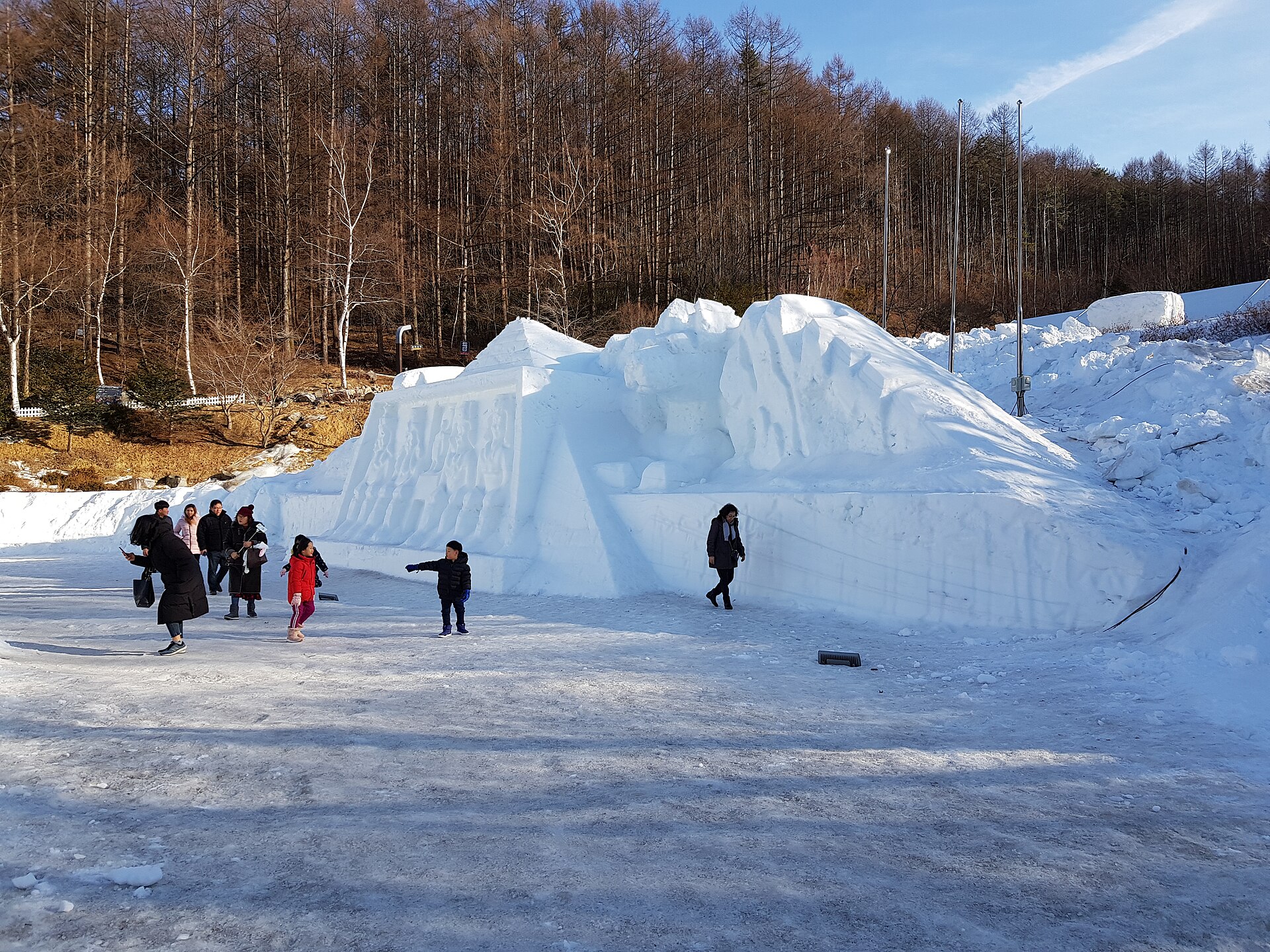
Getting there: Trains and express buses from Seoul take about four hours. That’s long for a day trip, so stay a night or join a festival tour.
6. Nami Island & Gapyeong
Nami Island is the snow trip most visitors picture, thanks to the tree-lined avenues made famous by the K-drama Winter Sonata. It’s close to Seoul, about 90 minutes away, which is also its weak point. Nami gets only a little more snow than Seoul, so whether it’s white on your day is mostly luck. The best approach is to watch the forecast and book late. Combined Nami Island and ski day tours🎫 are a good hedge, because the ski slopes have artificial snow even when the island is bare. Our Nami Island day trip guide covers the ferry and trains.
7. Seoul’s palaces after a snowfall
Seoul makes this list because when it does snow, few places in Asia look better. Gyeongbokgung, Changdeokgung and the hanok rooftops of Bukchon look stunning under fresh snow. The catch is timing. City snow melts fast, so go early in the morning after an overnight snowfall. Our Gyeongbokgung Palace guide has the opening hours and the less crowded entrances.
Can you see snow in Seoul?
Yes. On a one-week January trip you have a fair chance of seeing snow fall at least once, but a lower chance of seeing it settle. Seoul’s January average is about seven snowy days. The season varies a lot from year to year, too. In late November 2024 Seoul had its heaviest November snowfall in more than a century, according to The Korea Times. This season started early as well: Seoul’s first snow of winter 2026–27 fell on November 8, about 12 days ahead of the seasonal average.
If you’re based in Seoul and short on time, the trick is to stay flexible. Keep one or two days in your plan that you can switch to a mountain trip. Check the forecast a few days ahead, and if heavy snow is due in Gangwon, go to the mountains that day. Our day trips from Seoul guide has more options that work in winter.
Should you go on your own or join a snow tour?
Go on your own to Pyeongchang, Seoraksan and Hallasan, because trains and buses reach them easily. Join a tour for Deogyusan and for combined Nami-and-ski days, where public transport means several changes and you’d lose much of the short winter daylight.
- Independent: cheaper, flexible, and you can stay overnight in the mountains when the snow is best. It works best with a KTX or express-bus route and a town to sleep in.
- Tour: door-to-door from central Seoul, often with a ski or sledding session included, and no worries about icy roads. It works best for first-timers and for places a long way from a station.
- Self-drive: only if you are comfortable with snow chains and mountain roads. Many rental cars have no winter tyres, and roads on the passes can ice over quickly.
What is the forecast for winter 2026–27?
The Korea Meteorological Administration expects a slightly milder winter than usual, with more precipitation than usual. Its three-month winter outlook, issued on November 23, gives December and February a 50% chance of above-average temperatures. January is split evenly between average and above average. Precipitation is expected to be above normal in December and February and near normal in January, with a developing El Niño. The agency also warns that brief cold snaps are still likely.
For snow hunters, wetter and milder means more rain in the lowlands but potentially heavy snow in the mountains. That’s another reason to focus on Gangwon, Deogyusan and Hallasan rather than hoping for a white Seoul. These are probabilities, not a forecast for your dates. Check the KMA weather site in the week before you travel.
Practical tips for a snow trip
- Dress for −10°C in the mountains, even if Seoul feels like 0°C. Wind on the passes and peaks makes it feel much colder. Thermal base layers, a down jacket, waterproof boots, gloves and a hat are essential.
- Bring or rent crampons (aijen) for any mountain walk. Convenience stores and shops near trailheads sell cheap slip-on chain spikes, and you’ll use them on icy boardwalks.
- Start early. Winter days are short, and cable cars, gondolas and trails close earlier in winter. Plan to be on the mountain by mid-morning.
- Book weekends in advance. Gondola slots, ski buses and mountain-town hotels fill up on Saturdays, especially around Christmas, New Year and Seollal.
- Warm up the Korean way. After a cold day outdoors, a jjimjilbang spa or one of the hot springs near Seoul is the best way to end it.
- Stay connected. Weather and closure alerts come in Korean through apps and texts. A local data plan helps with translations; see our Korea SIM and eSIM guide.
Most snow trips start in Seoul, so it’s the easiest city to fly into. If you’re still choosing dates, you can compare January fares to Seoul✈️ and build the mountain days around them. For a full plan, our 7-day Korea itinerary shows how to fit Seoul and Gangwon into one week.
Disclosure: This post contains affiliate links. If you book through these links, I may earn a small commission at no extra cost to you. I only recommend services I’d use myself.