
Last Updated: September 2026
Quick answer: The best hot springs near Seoul are Onyang and Dogo in Asan (about 90 minutes, direct by subway), Icheon (about an hour by bus, the closest hot spring to Seoul), Suanbo near Chungju (around two hours by bus), and Bugok near Changnyeong (three-plus hours, best combined with a Busan trip). Onyang and Dogo are the easiest no-car options.
Korea takes its hot springs seriously enough that the government designated its first three official “hot spring cities” in 2023 — Asan (Onyang), Chungju (Suanbo), and Changnyeong (Bugok). None of them are secrets to Korean travelers, who have been soaking in these towns for decades, but they barely register with international visitors, who mostly never leave Seoul’s city limits.
That’s a missed opportunity. A soak in mineral-rich water after days of walking palaces and markets is one of the most relaxing things you can do near the capital, and several of these towns are reachable without renting a car. This guide covers the five best options, how to actually get to each one, and what to expect once you’re there.
Table of Contents
- Where Are the Best Hot Springs Near Seoul?
- Onyang: Korea’s Oldest Hot Spring, One Subway Ride Away
- Dogo: Sulfur Springs Next Door to Onyang
- Icheon: The Closest Hot Spring to Seoul
- Suanbo: A Royal Spa Town in the Chungju Hills
- Bugok: Korea’s Hottest Springs, Best Paired with Busan
- Can You Do a Hot Spring Day Trip From Seoul Without a Car?
- What Should You Know Before Visiting a Korean Hot Spring?
- Plan Your Trip
Where Are the Best Hot Springs Near Seoul?
The five worth knowing about are Onyang, Dogo, Icheon, Suanbo, and Bugok. They range from a straightforward subway ride to a genuine cross-country trip, so the right pick depends on how much travel time you’re willing to spend soaking in a bath.
| Town | Distance / Time from Seoul | Best For | Getting There |
|---|---|---|---|
| Onyang (Asan) | ~90 min | History, easiest no-car trip | Direct subway, Line 1 |
| Dogo (Asan) | ~90–100 min | Large resort-style spa | Direct subway, Line 1 |
| Icheon | ~1 hour | Closest option, pairing with ceramics | Intercity bus |
| Suanbo (Chungju) | ~2 hours | Royal history, quieter mountain setting | Intercity bus + local transfer |
| Bugok (Changnyeong) | 3+ hours | Hottest water, en route to Busan | KTX + bus, or direct bus |
Onyang: Korea’s Oldest Hot Spring, One Subway Ride Away
Is Onyang worth a day trip from Seoul? Yes — it’s the only hot spring on this list you can reach on a regular Seoul subway train, with no bus, taxi, or transfer required. That alone makes it the easiest hot spring near Seoul for a traveler without a car.
Onyang Hot Spring in Asan has been in continuous use for over 600 years, making it Korea’s oldest hot spring — Joseon-dynasty kings traveled here to recuperate, and it later became a popular honeymoon destination in the 1970s and ’80s, according to the Korea Tourism Organization. The mineral water runs 44–60°C, and the town is dotted with spa hotels and bathhouses built around it.
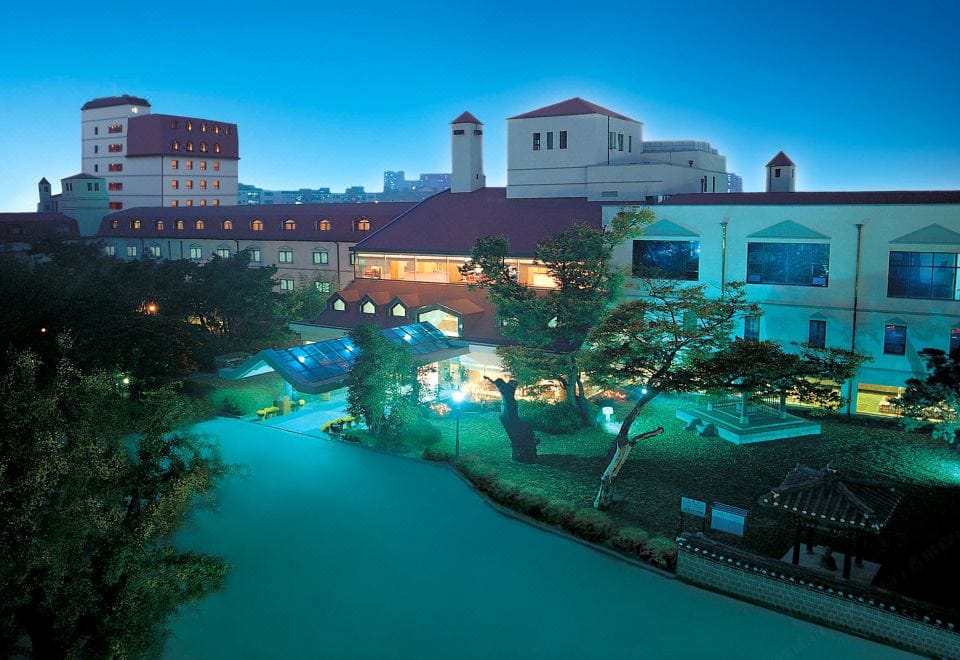
Take Seoul Subway Line 1 south to Onyangoncheon Station — trains run through-service from central Seoul, so there’s no line change involved, just a longer ride (roughly 90 minutes from stations like Seoul Station or Yongsan). For an overnight or a full soak-and-nap afternoon, the Onyang Hot Spring Hotel🏨 sits directly on the springs, with an outdoor thermal bath and sauna a short walk from the station and the town’s market streets.
Dogo: Sulfur Springs Next Door to Onyang
What makes Dogo different from Onyang? Dogo’s water is sulfur-rich rather than the plain mineral water at Onyang, and its centerpiece is a large resort-style bathing complex rather than a strip of independent hotels. It sits a few stops further down the same subway line, so it’s easy to treat the two as a single trip.
Dogo Oncheon has been a known bathing spot since the Silla era, and today the area’s flagship facility is Paradise Spa Dogo, a large indoor-outdoor hot spring park that can hold thousands of visitors, with seasonal outdoor baths — ginger, tangerine peel, and Siberian ginseng infusions in winter, per the Korea Tourism Organization. Reach it via Dogo-oncheon Station, also on Seoul Subway Line 1’s through-running Janghang Line service, one stop past Onyangoncheon.
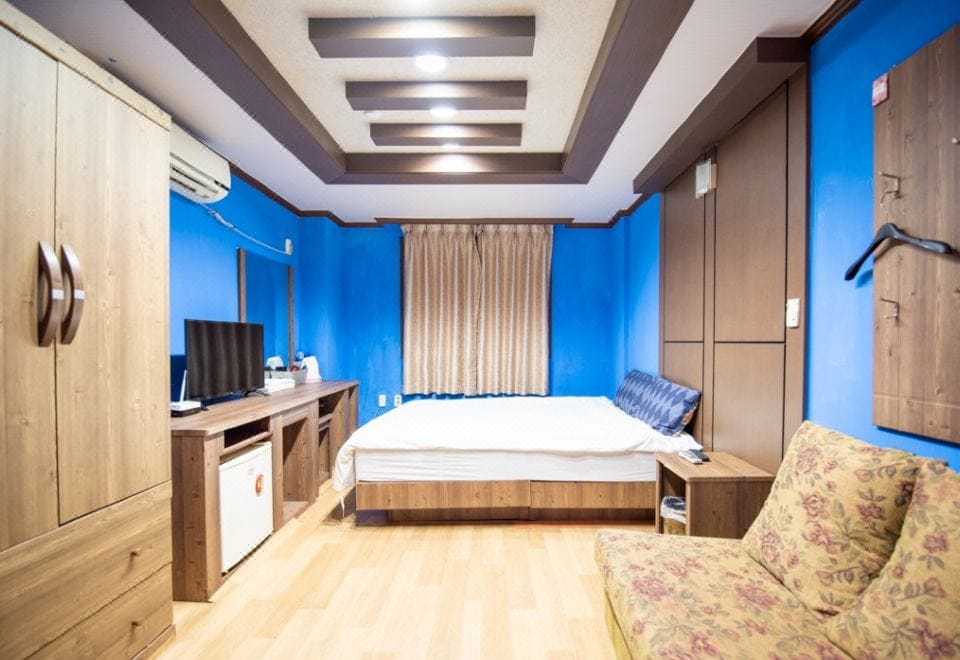
For an overnight stay, hot spring hotels cluster right around the station — the Dogo Elim Hot Spring Hotel🏨 is a straightforward, family-friendly option a short walk from both the station and Paradise Spa Dogo.
Icheon: The Closest Hot Spring to Seoul
Which hot spring is closest to Seoul? Icheon, in southern Gyeonggi Province — around an hour from central Seoul by intercity bus, making it the shortest hot spring trip on this list, even though it isn’t on the subway network.
The area’s main draw is Termeden Spa & Resort, Korea’s first German-style spa park, opened in 2006 around hot spring water discovered here in 1990. It’s more water-park than traditional bathhouse — bade pools, water jets, and a forested setting — and it’s been a filming location for Korean variety shows, which keeps it popular with domestic visitors on weekends.
Buses to Icheon run regularly from Dong Seoul Bus Terminal and other Seoul terminals; from the Icheon terminal it’s a short taxi ride out to the spa. If you’d rather not sort out the bus and taxi connections yourself, a day tour to Icheon’s hot spring park🎫 handles the transport for you. Icheon is also Korea’s ceramics capital, so it pairs naturally with a stop at the Icheon Ceramics Village if you want to make a fuller day of it. For an overnight, Golden Planet Hotel & Resort🏨 is a quiet, adults-only pick a short drive from the spa.
Suanbo: A Royal Spa Town in the Chungju Hills
Is Suanbo worth the extra travel time? If you want a quieter, more scenic hot spring town without a water-park crowd, yes — Suanbo trades convenience for a genuine mountain-valley setting and a longer, calmer soak.
Suanbo Hot Springs, near Chungju, is one of Korea’s oldest known springs — history here traces back to the Joseon founder King Taejo, who reportedly bathed here. It’s also the only hot spring in the country where water quality is managed at the municipal level, per the Korea Tourism Organization’s Suanbo Hot Springs Special Tourist Zone page, with weak-alkaline water rising from 250 meters underground at a steady 53°C.
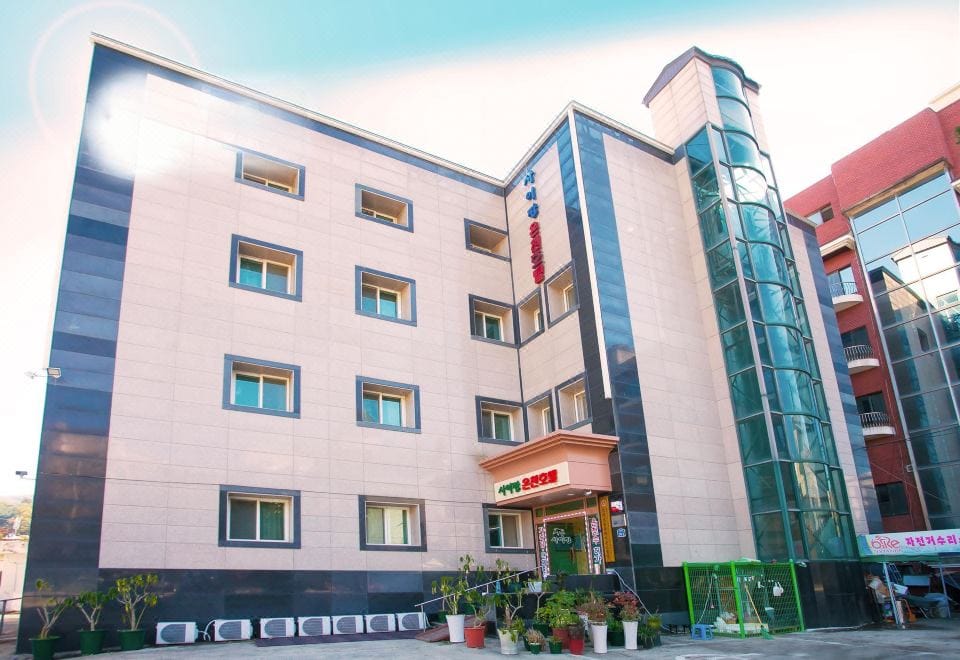
Getting there takes a bit more planning: intercity buses run from Dong Seoul Bus Terminal to Chungju (around two hours), followed by a short local bus or taxi into Suanbo itself. The town sits at the edge of Woraksan National Park, so it’s a natural add-on if you’re already spending a day hiking there. The Suanbo Saipan Hot Spring Hotel🏨 is a reliable, low-key base right in the tourist zone.
Bugok: Korea’s Hottest Springs, Best Paired with Busan
Is Bugok a realistic day trip from Seoul? Not really — at three-plus hours each way, it’s better treated as a stop on a longer trip toward Busan or Daegu than a standalone Seoul day trip.
Bugok, in Changnyeong County, produces the hottest natural spring water in the country — around 78°C at the source, delivering thousands of tons of sulfur-rich water a day. It was one of the three towns (alongside Onyang and Suanbo) named in Korea’s first official hot-spring-city designations in 2023, reported by The Korea Times. The most practical route from Seoul is KTX to nearby Miryang or Changwon, then a local bus or taxi onward; direct intercity buses also run from Seoul. If Bugok fits your route, the Lake Hills Bugok Resort🏨 is a solid overnight base in the hot spring district.
Can You Do a Hot Spring Day Trip From Seoul Without a Car?
Yes, easily, if you pick Onyang or Dogo — both sit directly on a Seoul subway line, so a T-money card is all you need. Icheon and Suanbo are still doable without a car via intercity bus, though Suanbo needs a short local transfer at the far end. Bugok is the one where a car (or an organized tour) genuinely helps, given the distance and limited direct transit.
What Should You Know Before Visiting a Korean Hot Spring?
Traditional hot spring bathhouses in these towns generally follow the same rules as a Korean jjimjilbang: bathing pools are single-sex and nude (no swimwear), you shower thoroughly before entering the water, and long hair should be tied up. Larger resort-style spas like Termeden in Icheon or Paradise Spa Dogo are different — they’re mixed-gender water parks where swimsuits are required, closer to a Western spa park than a traditional bathhouse.
If this is your first time in a Korean bathing facility, it’s worth reading a fuller etiquette rundown before you go — our jjimjilbang and Korean spa culture guide covers what to bring, what to expect, and the unwritten rules so you’re not caught off guard at the door.
Plan Your Trip
If you haven’t booked your trip to Korea yet, start by comparing flights to Seoul✈️, since all five of these towns are built around a Seoul base.
Pick your trip based on time, not just distance. If you only have a spare afternoon, Onyang or Dogo are the only realistic options — everything else eats most of a day in transit alone.
Fold it into a longer itinerary. A hot spring afternoon slots in well as a break from the city — see our roundup of day trips from Seoul for other options to combine it with, especially if you’re building out a longer stay.
Sort out transit before you go. T-money cards and subway apps that work for Onyang and Dogo are the same ones you’ll use in the city — our guide to getting around Seoul covers the basics.
Disclosure: This post contains affiliate links. If you book through these links, I may earn a small commission at no extra cost to you. I only recommend services I’d use myself.