
Last Updated: July 2026
Quick answer: Korean etiquette is more forgiving of tourists than it looks, but a few rules matter: take your shoes off in homes, hanoks, and many traditional restaurants; don’t tip (it’s not expected and can even confuse staff); use two hands when giving or receiving something from someone older; and dress modestly at palaces and temples. Koreans generally appreciate the effort even when you get a detail wrong — the goal isn’t perfection, it’s showing you’re paying attention.
Korean social manners run on two things: age-based respect and a strong sense of the group over the individual. Once you understand that most rules — from how you pour a drink to how you speak to a stranger’s grandmother — trace back to those two ideas, the etiquette stops feeling like a list of arbitrary traps and starts making sense.
This guide covers the etiquette that actually comes up on a first trip: greetings, shoes, dining and drinking, tipping, temples and palaces, and the subway — plus a few habits that surprise visitors even though nobody warned them.
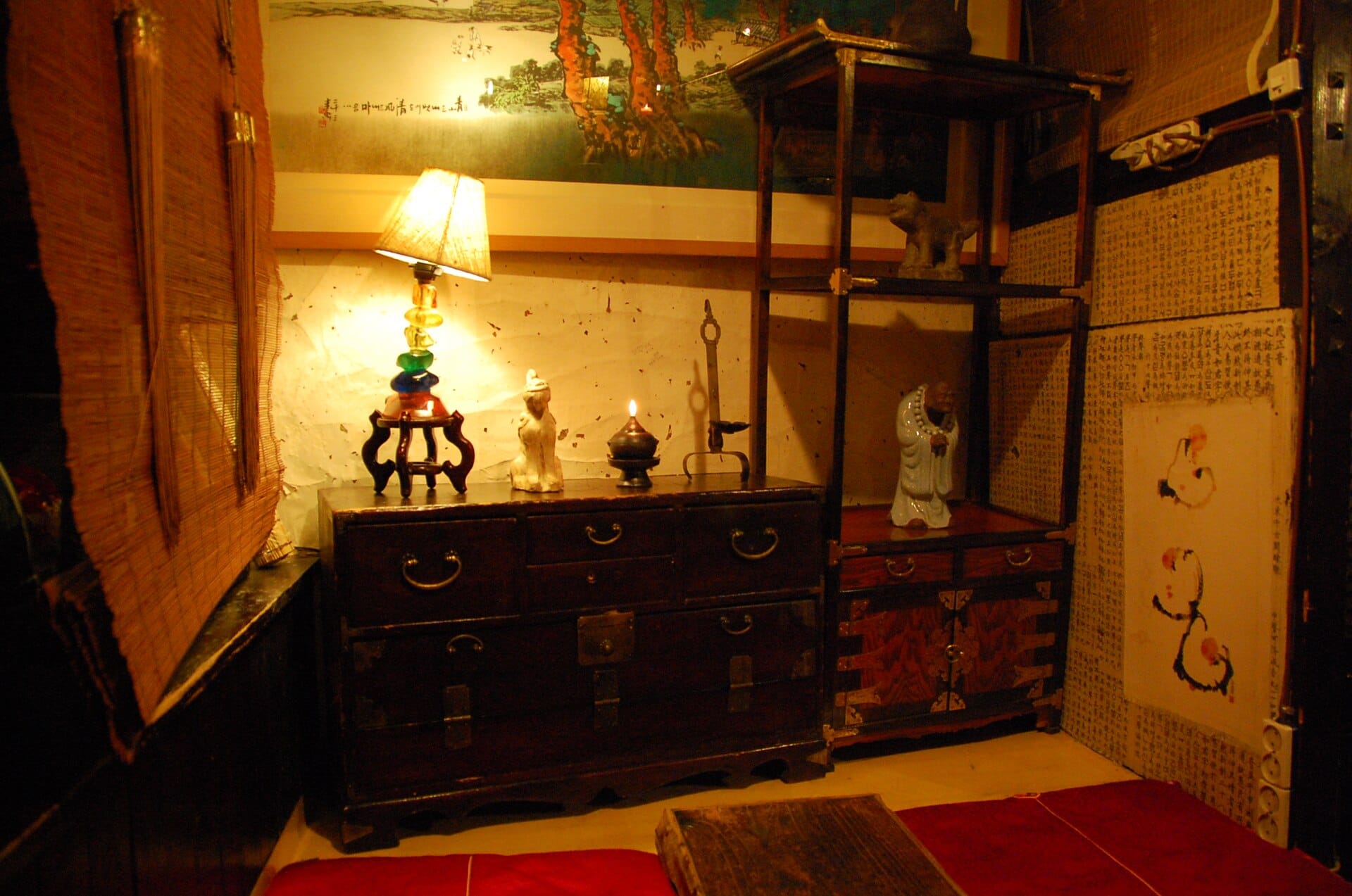
Table of Contents
- The Most Important Rules at a Glance
- How Do You Greet People in Korea?
- Do You Need to Take Your Shoes Off?
- What Are Korean Dining Etiquette Rules?
- What Is Korean Drinking Etiquette?
- Should You Tip in Korea?
- What Should You Know Before Visiting Temples and Palaces?
- What Are the Subway and Public Transport Rules?
- What Else Might Surprise First-Time Visitors?
- Plan Your Trip
The Most Important Rules at a Glance
If you only remember five things, make it these:
- Shoes off in homes, hanok stays, temples, and any restaurant with floor seating.
- Two hands when giving, receiving, or pouring something for someone older — money, business cards, drinks, gifts.
- Don’t tip. It isn’t part of the culture and is already reflected in the price.
- Keep your voice down on the subway, in restaurants, and in shared spaces generally.
- Dress modestly and stay quiet at palaces, temples, and any active religious ceremony.
How Do You Greet People in Korea?
A small bow from the shoulders, held for a beat, is the default greeting — the deeper and longer the bow, the more respect it signals, which is why you’ll see a quick nod between friends but a fuller bow toward an elder or a shop owner. Handshakes are common in business settings, often paired with a slight bow, and if you’re shaking hands with someone senior it’s polite to support your right forearm with your left hand.
Age and hierarchy shape almost every interaction. Don’t be surprised if a new acquaintance asks your age fairly early — it’s not nosiness, it’s how Koreans figure out the right level of formality and honorifics to use with you. If you’re exchanging business cards, receive them with both hands, take a moment to actually look at the card before putting it away, and avoid stuffing it straight into a back pocket in front of the person who gave it to you.
Do You Need to Take Your Shoes Off?
Yes, in most indoor spaces with a raised or heated floor. Any private home, a hanok guesthouse or temple stay, and traditional restaurants with low tables and floor cushions all expect shoes off at the entrance — look for a small step up and a shoe rack, which is your cue. Modern cafes, malls, and Western-style restaurants are the exception; if everyone else is keeping their shoes on, you can too.
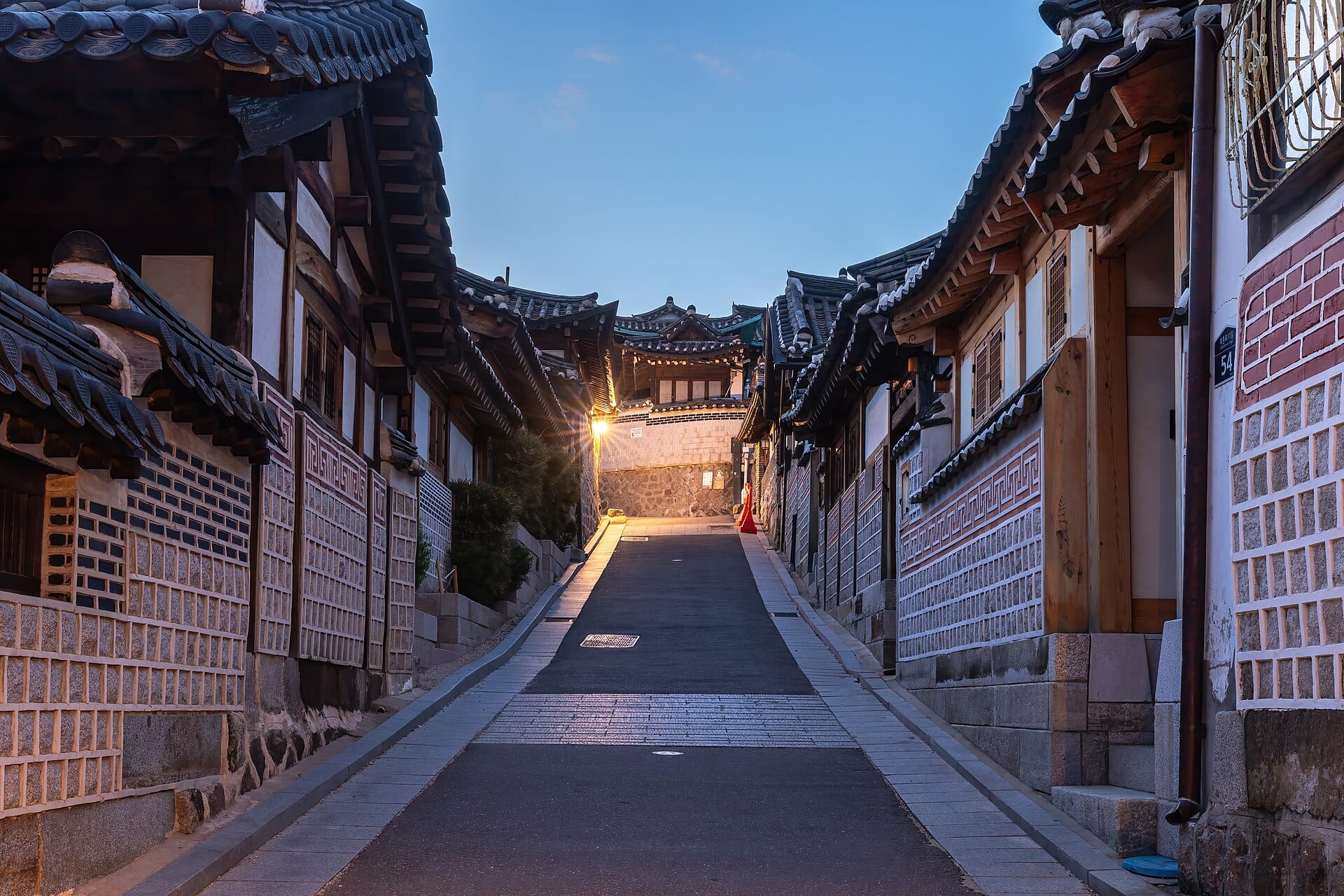
The same logic extends to jjimjilbangs (Korean bathhouses), where shoes come off right at the front desk and stay in a locker for your entire visit — one of the few etiquette rules in Korea that genuinely has zero exceptions.
What Are Korean Dining Etiquette Rules?
Korean meals are shared, and the etiquette reflects that. At a traditional table, it’s polite to wait until the oldest person present picks up their spoon or chopsticks before you start eating. Rice and soup are eaten with a spoon, not chopsticks — and unlike in Japan, you leave your rice bowl on the table rather than lifting it to your mouth. Side dishes (banchan) and shared mains sit in the middle of the table for everyone to reach with their own chopsticks, which is normal and not considered unhygienic.
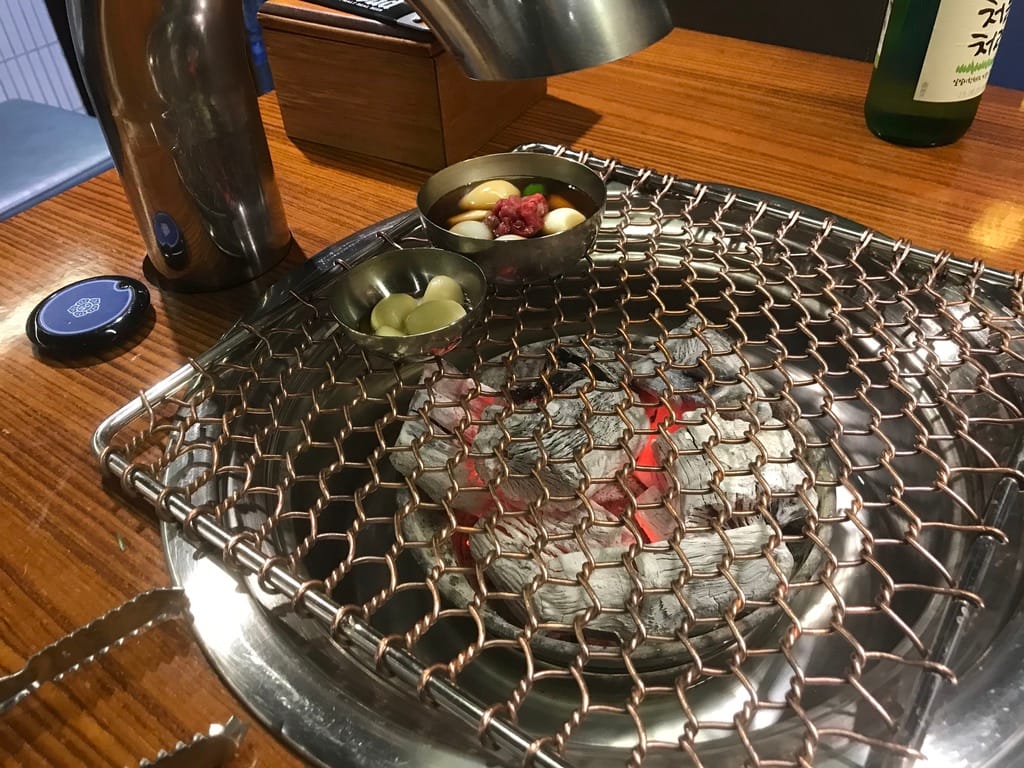
A few specific don’ts: never stick your chopsticks upright in a bowl of rice (it resembles incense offered to the dead and reads as a bad omen), and don’t rub disposable chopsticks together to remove splinters — it can come across as implying the restaurant used cheap ones. At a Korean BBQ table, it’s common for the youngest or most junior person at the table to do the actual grilling, cutting the meat once it’s cooked through.
What Is Korean Drinking Etiquette?
Drinking etiquette in Korea is built entirely around not pouring for yourself. You fill other people’s glasses, and they fill yours — topping off your own soju is considered a small faux pas, even among friends. When you pour for someone older, use both hands (or your right hand on the bottle with your left lightly touching your forearm); when they pour for you, hold your glass out with both hands too.
If you’re drinking alongside an elder or a senior colleague, the polite move is to turn your head slightly away from them as you take a sip, rather than drinking directly facing them. A glass that’s still partly full is a subtle “I’m okay for now” — only empty glasses tend to get refilled without asking.
Should You Tip in Korea?
No. Tipping isn’t part of Korean service culture, and it’s already built into the price you’re quoted — restaurants, cafes, taxis, and hotels don’t expect anything extra, and leaving cash on a table can occasionally prompt a server to chase you down thinking you forgot it. The one place a service charge legitimately appears is at some higher-end hotels, where it’s added automatically to the bill rather than left to your discretion.
What Should You Know Before Visiting Temples and Palaces?
Dress modestly — shoulders and knees covered is the safe default — and keep your voice down, especially near an active temple where monks are praying or chanting. Ask before photographing monks or worshippers directly, even though photographing the buildings and grounds themselves is almost always fine. At the royal palaces, walking through the central stone path of the main gates was historically reserved for the king, and while tourists aren’t stopped for using it today, sticking to the side paths is a small, appreciated nod to the history.
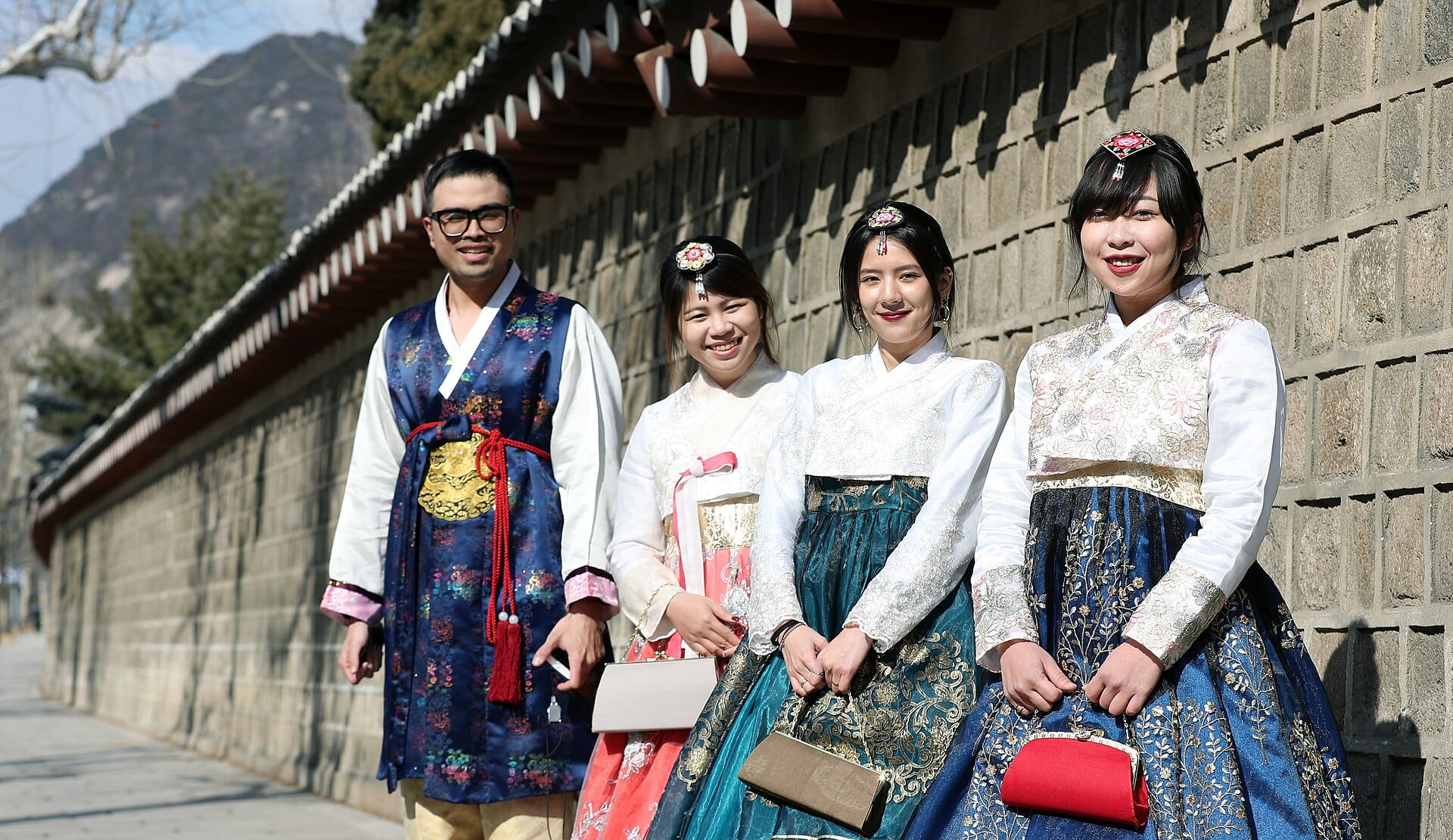
One etiquette rule works in your favor: renting a hanbok and wearing it to Gyeongbokgung Palace gets you free entry, which is as much a courtesy from the palace to visitors making the effort as it is a photo opportunity.
What Are the Subway and Public Transport Rules?
Seoul’s subway runs on quiet. Phone calls are generally taken in a low voice or not at all, ringers stay on silent, and eating a full meal on the train is frowned on (a coffee or small snack is usually fine). The pink-marked priority seats near the doors are reserved for elderly, pregnant, and disabled passengers — Korean riders tend to leave them empty even when the car is otherwise packed, and tourists are expected to do the same.
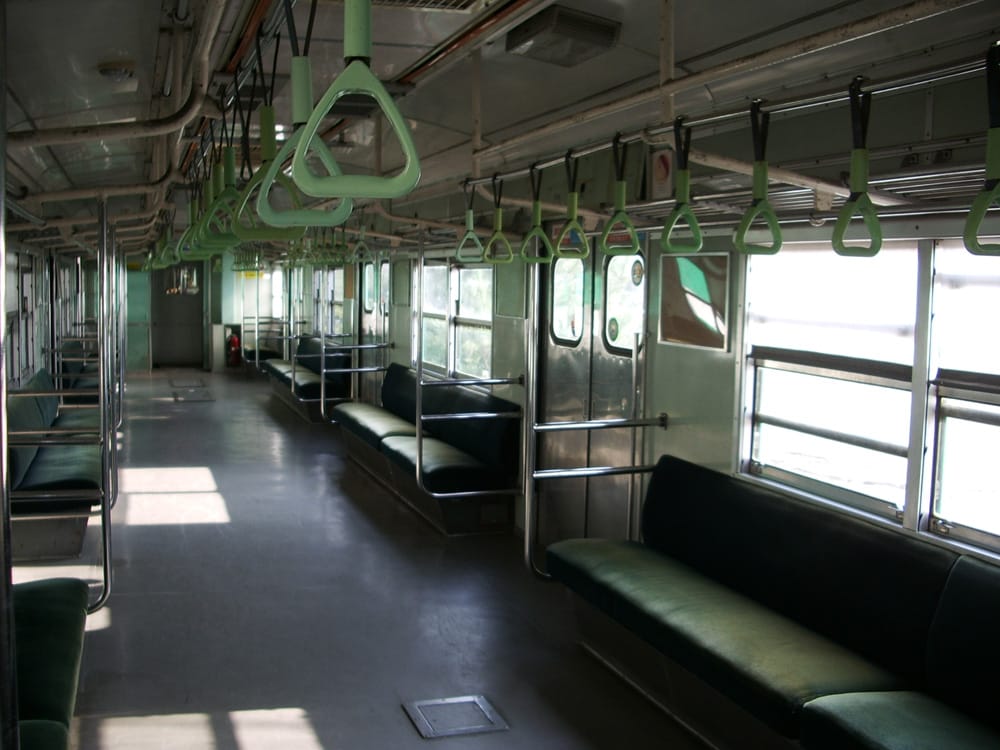
Escalator habits have shifted in recent years: Seoul Metro’s official guidance now asks riders to stand on both sides rather than the old “stand right, walk left” convention, aimed at reducing escalator accidents — though old habits persist, so stay alert to the flow around you rather than assuming one rule everywhere.
What Else Might Surprise First-Time Visitors?
A handful of smaller customs trip up visitors precisely because they aren’t obviously rude anywhere else:
- Don’t write a living person’s name in red ink — it’s traditionally associated with death and funerals.
- Point with an open hand, not one finger, when gesturing toward a person or indicating direction.
- Public affection is kept low-key. Holding hands is common; more than that draws attention.
- Blowing your nose at the table is considered impolite — step away if you need to.
- Direct eye contact with a stranger or elder can read as confrontational rather than confident; a softer gaze is the norm.
None of these will end a trip badly if you miss one — Koreans are used to visitors not knowing every rule, and a genuine effort is noticed far more than a perfect record. For a deeper background on the customs above, the Wikipedia entry on etiquette in South Korea covers the fuller cultural context, and the Korea Tourism Organization’s travel basics page is a good official starting point for trip planning beyond etiquette.
Plan Your Trip
Before you land, check the current Korea entry requirements — most visitors don’t need a visa, but the e-Arrival Card is worth filling out ahead of time. Once your dates are set, start by comparing flights to Seoul✈️.
If you’d like a gentler, guided introduction to some of the customs above before you’re navigating them solo, you can book a tea ceremony or cultural experience in Seoul🎫 in advance. For the rest of the trip, our complete Seoul travel guide and guide to the best things to do in Seoul cover where to stay, what to eat, and how to fit it all in.
Disclosure: This post contains affiliate links. If you book through these links, I may earn a small commission at no extra cost to you. I only recommend services I’d use myself.