
Last Updated: June 2026
Quick answer: Gyeongju is Korea’s ancient capital — an open-air history book of UNESCO temples, grassy royal tombs, and the oldest observatory in East Asia. It’s about two hours from Seoul by KTX (or an hour from Busan), and two days is enough to see the highlights at an unhurried pace.
If Seoul is modern Korea at full volume, Gyeongju is where the country keeps its memory. For a thousand years this was the capital of the Silla kingdom, and the city wears that history openly: burial mounds rise like green hills between the streets, a 7th-century stone observatory still stands in a field, and on the wooded slopes outside town sit two of the most important Buddhist sites in Asia. Often called “the museum without walls,” Gyeongju is compact, walkable, and unusually easy to fit into a Korea trip — close enough to both Seoul and Busan to reach by high-speed train, and rewarding enough to deserve an overnight rather than a rushed day.
This guide covers what Gyeongju is known for, the best things to do, how to get there from Seoul or Busan, what to eat, and where to stay, so you can slot Korea’s ancient capital into your itinerary with confidence.
Table of Contents
- What Is Gyeongju Known For?
- Is Gyeongju Worth Visiting?
- How to Get to Gyeongju from Seoul or Busan
- Best Things to Do in Gyeongju
- When Is the Best Time to Visit Gyeongju?
- The UNESCO Sites: Bulguksa & Seokguram
- What to Eat in Gyeongju
- Where to Stay in Gyeongju
- How Many Days Do You Need?
- Plan Your Trip
What Is Gyeongju Known For?
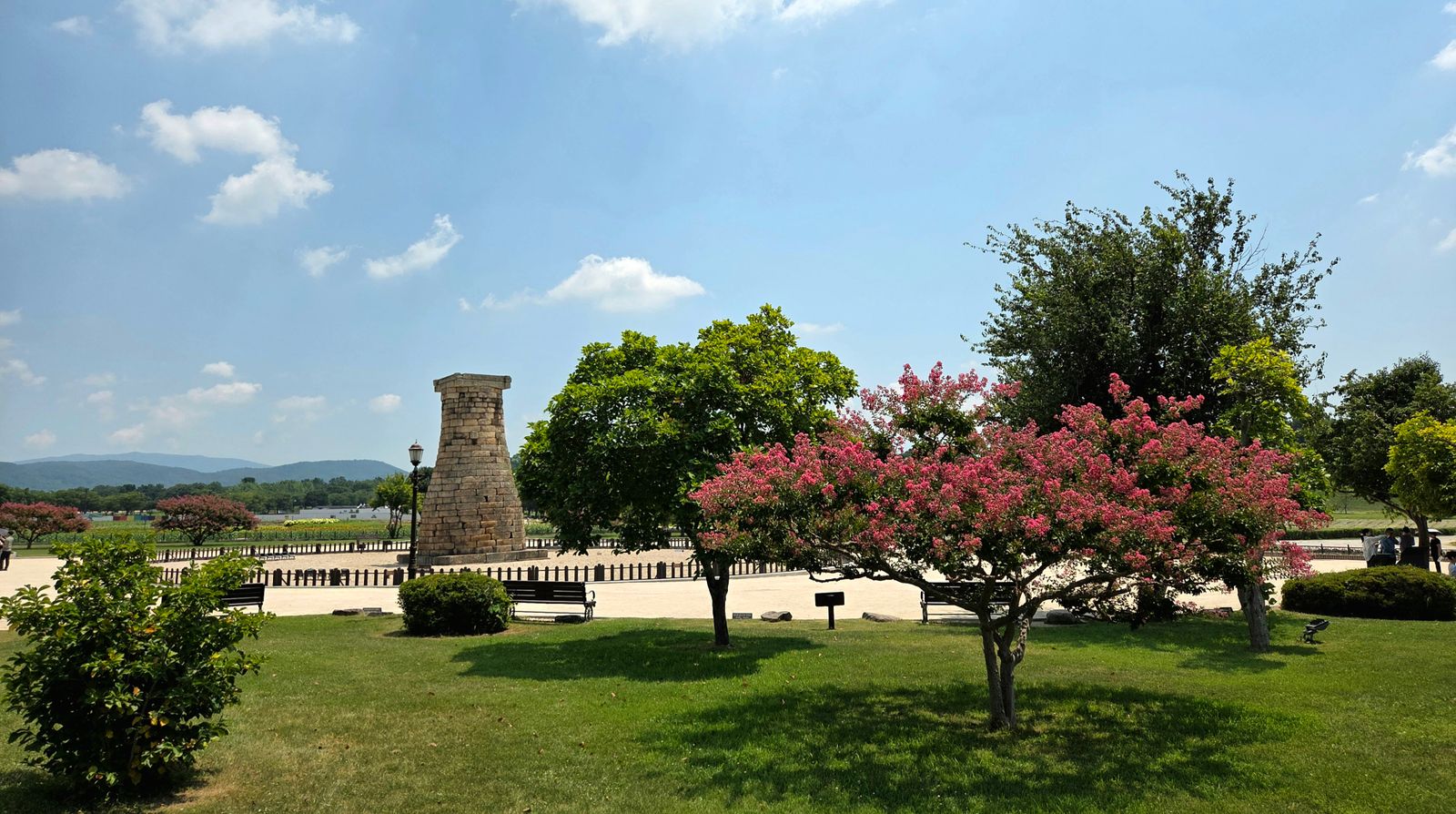
Gyeongju is known as the historic heart of Korea — the capital of the Silla dynasty, which ruled most of the peninsula for nearly a thousand years until the 10th century. That long golden age left behind an extraordinary density of monuments: gilded Buddhist temples, the grass-covered tombs of Silla kings, palace ruins reflected in a royal pond, and Cheomseongdae, a domed stone tower built in the 600s and considered the oldest surviving astronomical observatory in East Asia. So much of it remains intact that UNESCO lists the Gyeongju Historic Areas as a World Heritage Site. The mood here is the opposite of Seoul’s neon rush — low-rise, green, and quiet, a place where you wander between centuries on foot or by bike. For travelers who want to understand where Korea came from, Gyeongju is the single most concentrated dose of it in the country.
Is Gyeongju Worth Visiting?
Yes — for anyone curious about where Korea came from, Gyeongju is one of the most rewarding stops in the country. Nowhere else packs so many UNESCO temples, royal tombs, and ancient monuments into a single low-rise, walkable city, and its slow, green calm is a deliberate contrast to the energy of Seoul and Busan. It isn’t a place for nightlife or shopping, so if those are your priorities you may prefer the big cities; but for history, atmosphere, and a genuine sense of old Korea, the detour pays off. Even on a tight schedule a single overnight makes it worthwhile, and history lovers can comfortably fill two days.
How to Get to Gyeongju from Seoul or Busan
The fast way is the KTX high-speed train, which reaches Singyeongju Station in about two hours from Seoul and just under an hour from Busan, running frequently through the day. Singyeongju sits a little outside the old center, with a regular bus and a taxi rank that connect to the sights in 20–30 minutes. Seats fill up on weekends and holidays, so it’s worth reserving ahead — you can book a high-speed rail ticket🚄 for the time you want before you travel. Because Gyeongju is roughly midway between the capital and the coast, many travelers pair it with Korea’s second city; our Busan travel guide covers that leg, and our guide to getting around Seoul explains the T-money card you’ll use on local buses here too.
Best Things to Do in Gyeongju
Gyeongju’s sights divide neatly into a downtown cluster you can walk or cycle, and a couple of temple sites in the hills just outside. The essentials:
- Daereungwon Tomb Complex — a park of enormous grassy royal burial mounds; one, Cheonmachong, is opened up so you can step inside and see the excavated gold crown and artifacts.
- Cheomseongdae Observatory — the 7th-century stone tower standing alone in a field, especially pretty at dusk and when the surrounding flowers bloom.
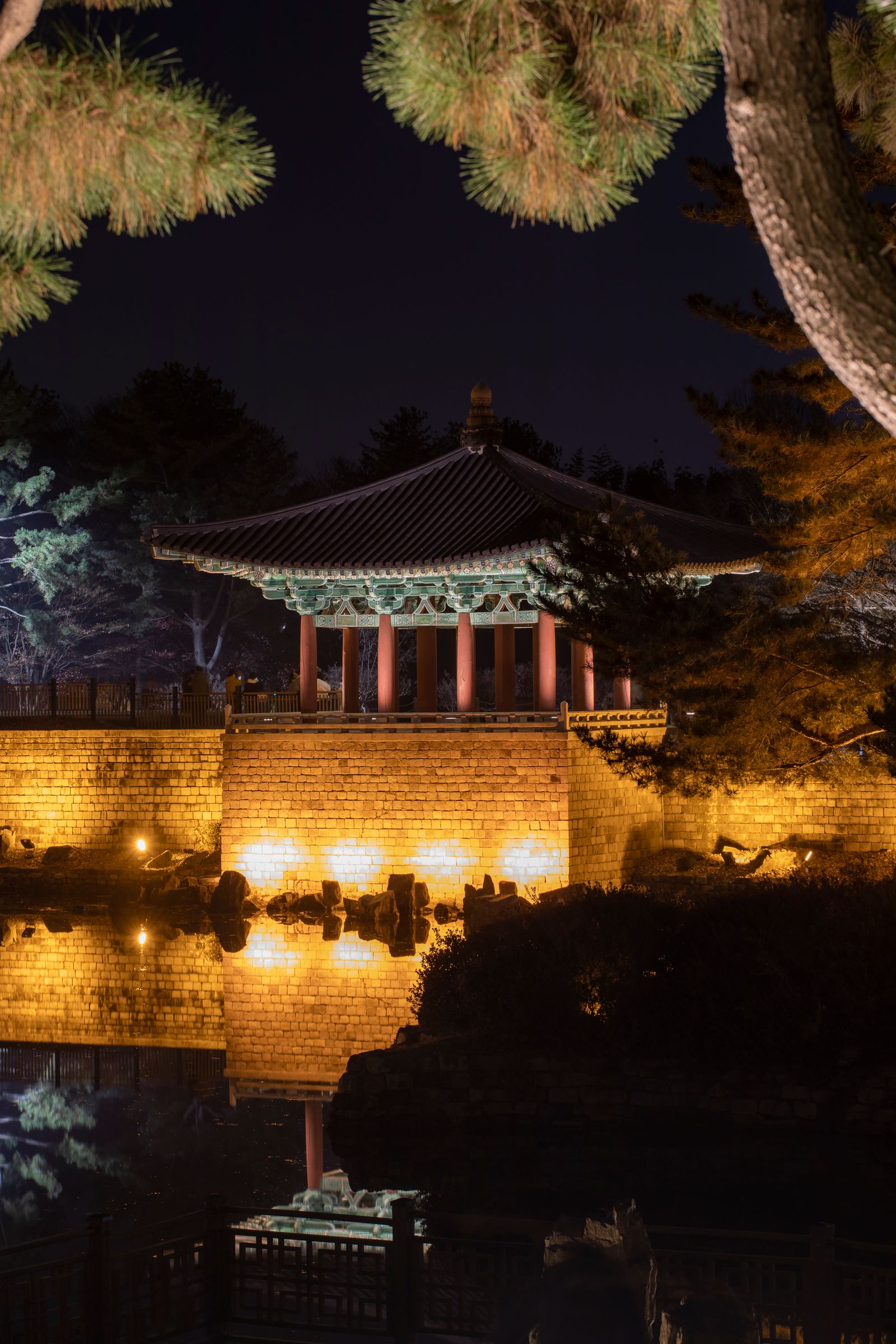
- Donggung Palace & Wolji Pond — a reconstructed Silla palace and lotus pond that is the city’s signature after-dark sight, floodlit and mirrored in the water.
- Gyeongju National Museum — home to the Silla gold crowns, the Emille Bell, and the finds from the tombs; the best single place to make sense of what you’re seeing.
- Woljeonggyo Bridge — a grand reconstructed wooden bridge, lit up at night and free to cross.
Renting a bike for the downtown loop is one of the nicest ways to spend a Gyeongju afternoon — the tombs, observatory, and pond are all within an easy, flat ride of one another.
When Is the Best Time to Visit Gyeongju?
The best times to visit Gyeongju are early April and late October into November. In spring, cherry blossoms line the road around Bomun Lake and frame the grassy royal tombs; in autumn, the grounds at Bulguksa and the trees around the historic area turn red and gold. Both windows are short, spectacular, and popular, so reserve a room well in advance. Summer is hot and humid but green and quiet on the temple slopes, while winter is cold and uncrowded, the bare trees laying the ancient stone monuments open to view — a peaceful season if you don’t mind bundling up. Whatever the season, the floodlit pond at Donggung Palace is worth staying out after dark to see.
The UNESCO Sites: Bulguksa & Seokguram
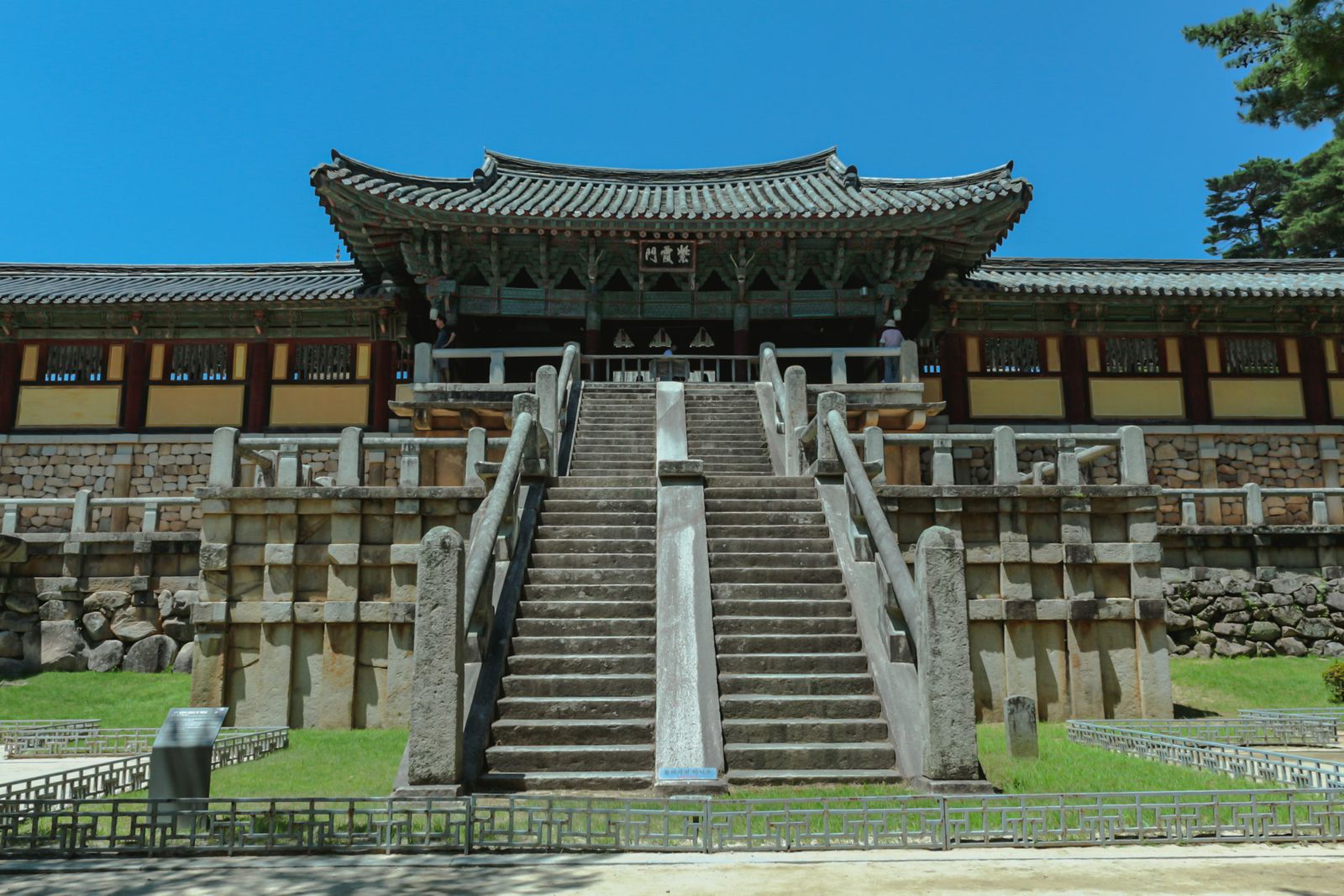
The two sights that draw most visitors out of the center are Bulguksa and Seokguram, both UNESCO-listed and both dating to the 8th century. Bulguksa is one of Korea’s most beautiful temples — a terraced complex of stone staircases, twin pagodas, and golden halls set against a wooded hillside, roughly 30–40 minutes by bus from downtown. From there a winding road climbs to Seokguram Grotto, where a serene granite Buddha sits inside a man-made stone dome looking out toward the East Sea; it’s a short but steep approach, and one of the spiritual high points of any Korea trip. If the temples leave you wanting to slow down further, an overnight templestay or a traditional hanok stay is an easy add — our guide to templestays and hanok stays in Korea explains how both work.
What to Eat in Gyeongju
Gyeongju has its own small but well-loved food traditions. The famous souvenir is Hwangnam bread (Gyeongju bread), a thin pastry packed with sweet red-bean paste, sold fresh and warm near the tomb park. For a proper meal, the local specialty is ssambap — a spread of rice, leaves for wrapping, and a generous table of side dishes — best eaten in the restaurant alleys around the historic area. There’s also beopju, a refined traditional rice wine once brewed for the royal court. For the broader vocabulary of Korean dishes you’ll meet across the country, our guide to what to eat in Seoul is a handy primer.
Where to Stay in Gyeongju
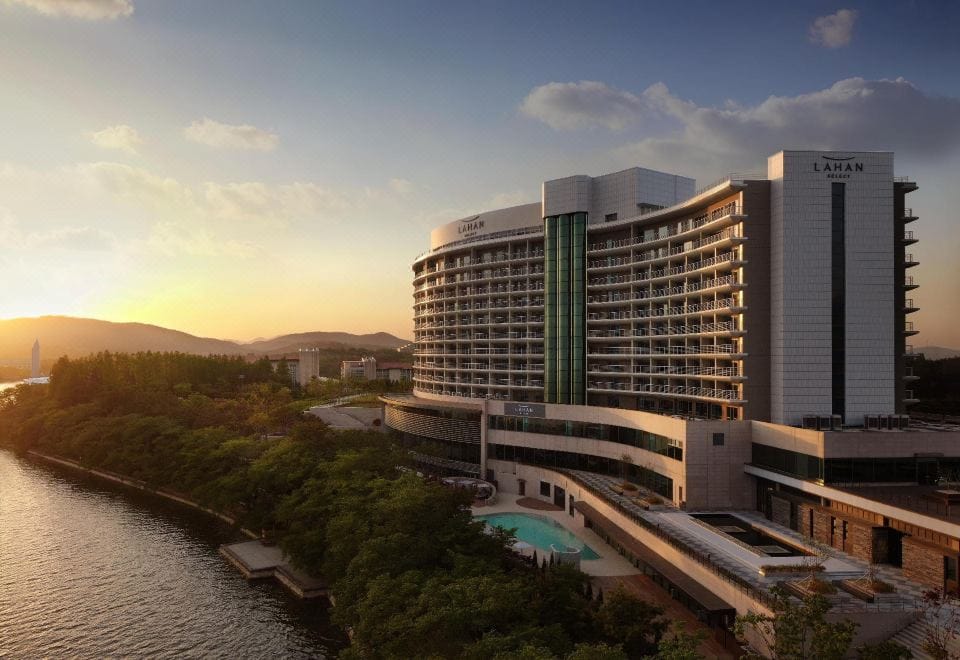
There are two natural places to base yourself. Bomun Lake, a resort district a few minutes east of the center, has the larger hotels and a calm waterside setting; Hwangnam-dong, the old quarter beside the tombs, puts you among hanok guesthouses and cafés within walking distance of the main sights. Our full where-to-stay guide compares both areas and rounds up the best hotels in each. A reliable pick by the lake:
- Lahan Select Gyeongju🏨 — A polished resort-style stay on Bomun Lake, a short hop from the royal tombs and the temples that make Gyeongju worth the trip.
For a more atmospheric night, the hanok guesthouses in Hwangnam-dong let you sleep on heated floors inside a traditional courtyard house, steps from Cheomseongdae and the tomb park. It’s worth comparing stays across Gyeongju🏨 for your dates — prices swing with the cherry-blossom and autumn-foliage seasons, when the city is at its most photogenic and rooms go fast.
How Many Days Do You Need?
You can see Gyeongju’s highlights as a long day trip from Busan if you start early — and if you’d rather not piece together the local buses, a guided day tour from the coast🎫 bundles the temples, tombs, and transport into one booking — but the city rewards an overnight. With one night you can cycle the downtown tombs and observatory, watch the floodlit pond after dark, and still make it out to Bulguksa and Seokguram the next morning without rushing. With two nights you can add the national museum, a templestay or hanok night, and the quieter corners — Namsan’s hillside Buddhas, or a slow morning by the lake. For most travelers, one to two nights is the sweet spot: enough to feel the unhurried, historic rhythm that sets Gyeongju apart from Korea’s big cities. Travelers continuing along the coast can also work in Tongyeong, a harbor town a couple of hours further south by bus.
Plan Your Trip
Start by booking your flights to Daegu✈️. Once you’re there, reserve a high-speed train ticket🚄 to Gyeongju, and lock in a place to stay in Gyeongju🏨 — especially in blossom and foliage season.
Book the train and a bed. Reserve early for weekends.
Fit it into your trip. Gyeongju pairs naturally with the coast and with the wider country — see our guide to day trips from Seoul for the quick version, and our 7-day Korea itinerary for how it fits between Seoul and Busan.
Disclosure: This post contains affiliate links. If you book through these links, I may earn a small commission at no extra cost to you. I only recommend services I’d use myself.