
Last Updated: August 2026
Quick answer: Ikseondong Hanok Village is a maze of 1920s hanok houses in central Seoul, now packed with dessert cafés, makgeolli bars, and hanbok-rental shops rather than the quiet residences of Bukchon. Take Line 1, 3, or 5 to Jongno 3-ga Station, Exit 4 or 6, and walk three minutes north — go on a weekday morning if you want the alleys to yourself.
Ikseon-dong is proof that Seoul’s oldest architecture and its newest trends can share the same address. The neighborhood is Seoul’s oldest concentrated hanok district still standing, built nearly a century ago as ordinary housing rather than a palace or a noble’s estate — yet in the past decade its cramped, low-slung alleys have filled with some of the city’s most photographed cafés, bars, and hanbok shops. It’s louder and more commercial than Bukchon uphill, and that’s exactly the appeal: you can actually walk into the hanok here, order a coffee, and sit inside one.
This guide covers Ikseondong’s history, how to get there, what to do, where to eat and rent a hanbok, and how it compares to Seoul’s other hanok neighborhoods.
Table of Contents
- What Is Ikseondong Hanok Village?
- How to Get to Ikseondong
- Best Things to Do in Ikseondong
- Where to Eat & Drink in Ikseondong
- Hanbok Rental in Ikseondong
- What Time Is Best to Visit?
- Is Ikseondong Free to Visit?
- Tips for Visiting Ikseondong
- Plan Your Trip
What Is Ikseondong Hanok Village?
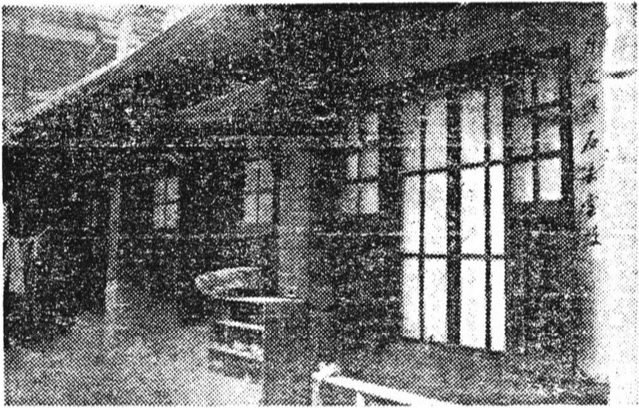
Ikseon-dong was built from the late 1920s into the early 1930s by the developer Jeong Se-gwon, who bought up large estates, subdivided them, and packed the land with small hanok for Seoul’s ordinary middle class — part of a wider push to build Korean housing as Japanese colonial development expanded north from the Cheonggyecheon stream. Unlike Bukchon, which sheltered aristocrats and officials, Ikseon-dong was working-class from the start, and it stayed a quiet, unremarkable residential block for most of the 20th century. As of a 2018 city survey it still holds 119 hanok, 37 of them lived in, tucked inside Seoul’s smallest and densest grid of alleys.
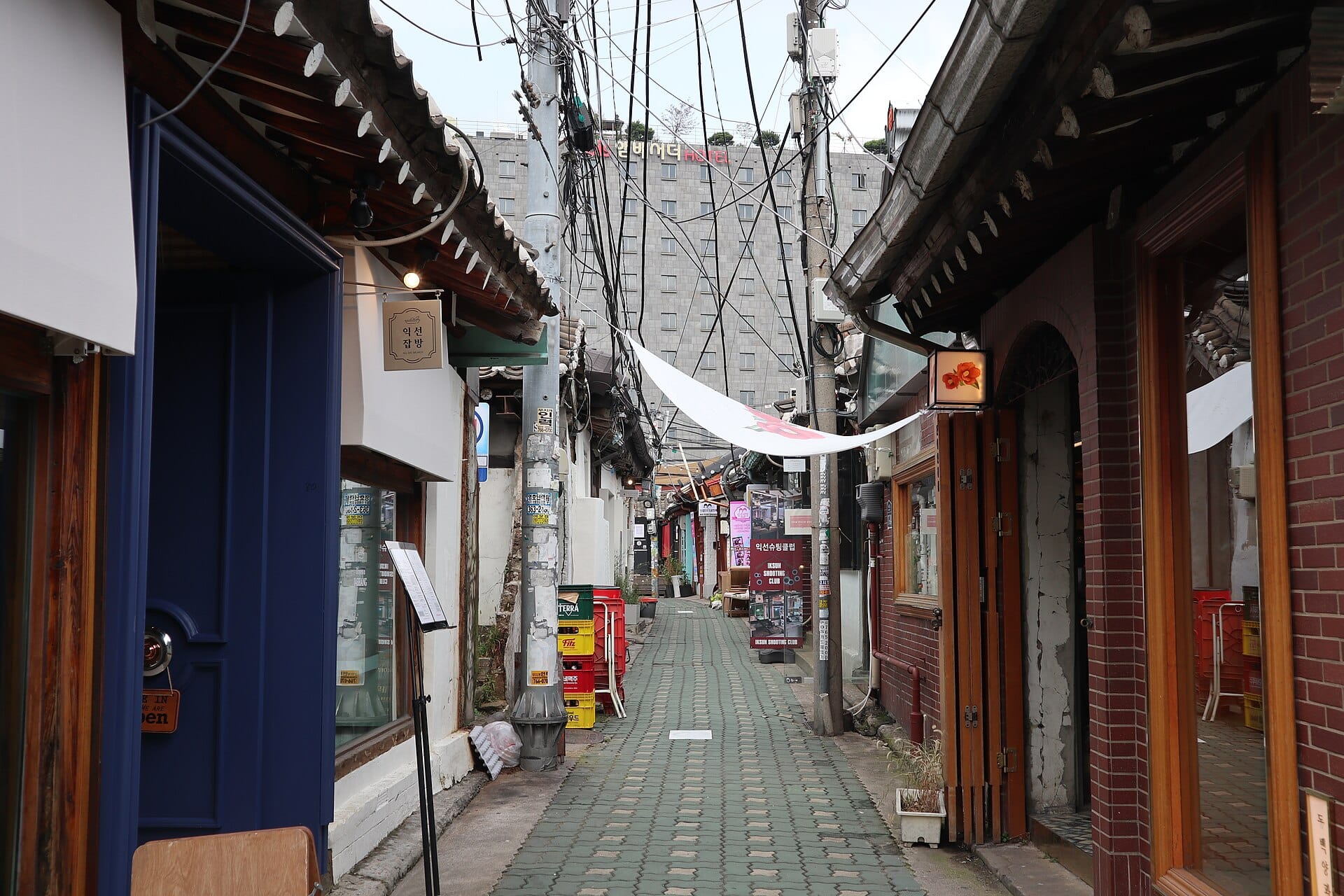
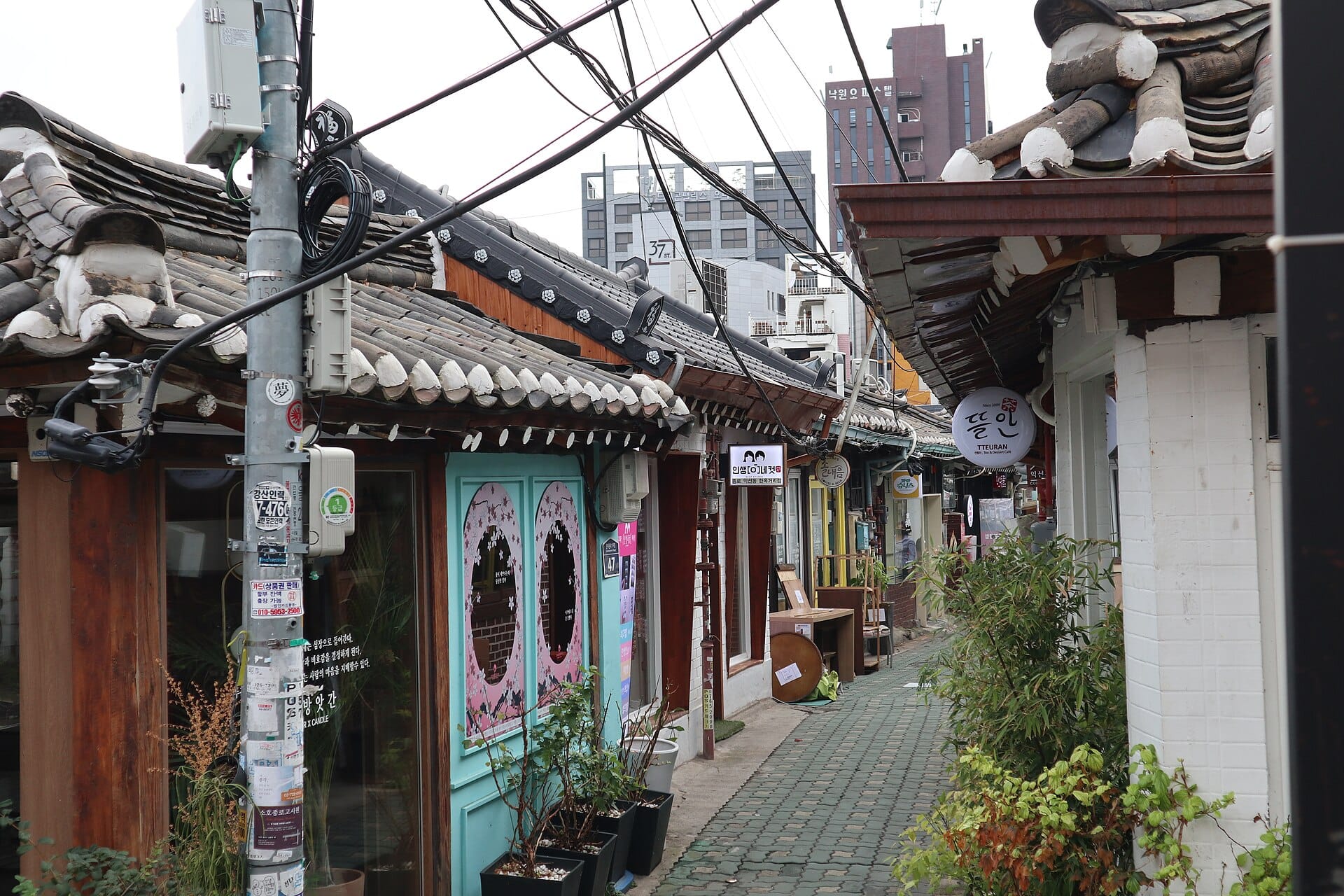
That changed fast after 2014, when small businesses began renovating the old houses into cafés, bars, and boutiques rather than tearing them down. The “newtro” look — traditional tiled roofs and wooden beams paired with minimalist interiors and specialty coffee — caught on quickly, and Ikseondong became one of Seoul’s most Instagrammed neighborhoods within a few years. About 1,000 residents remain as of recent counts, a shrinking number as rents have climbed with the tourist traffic, so the area today is best understood as a commercial hanok district rather than a lived-in village like Bukchon.
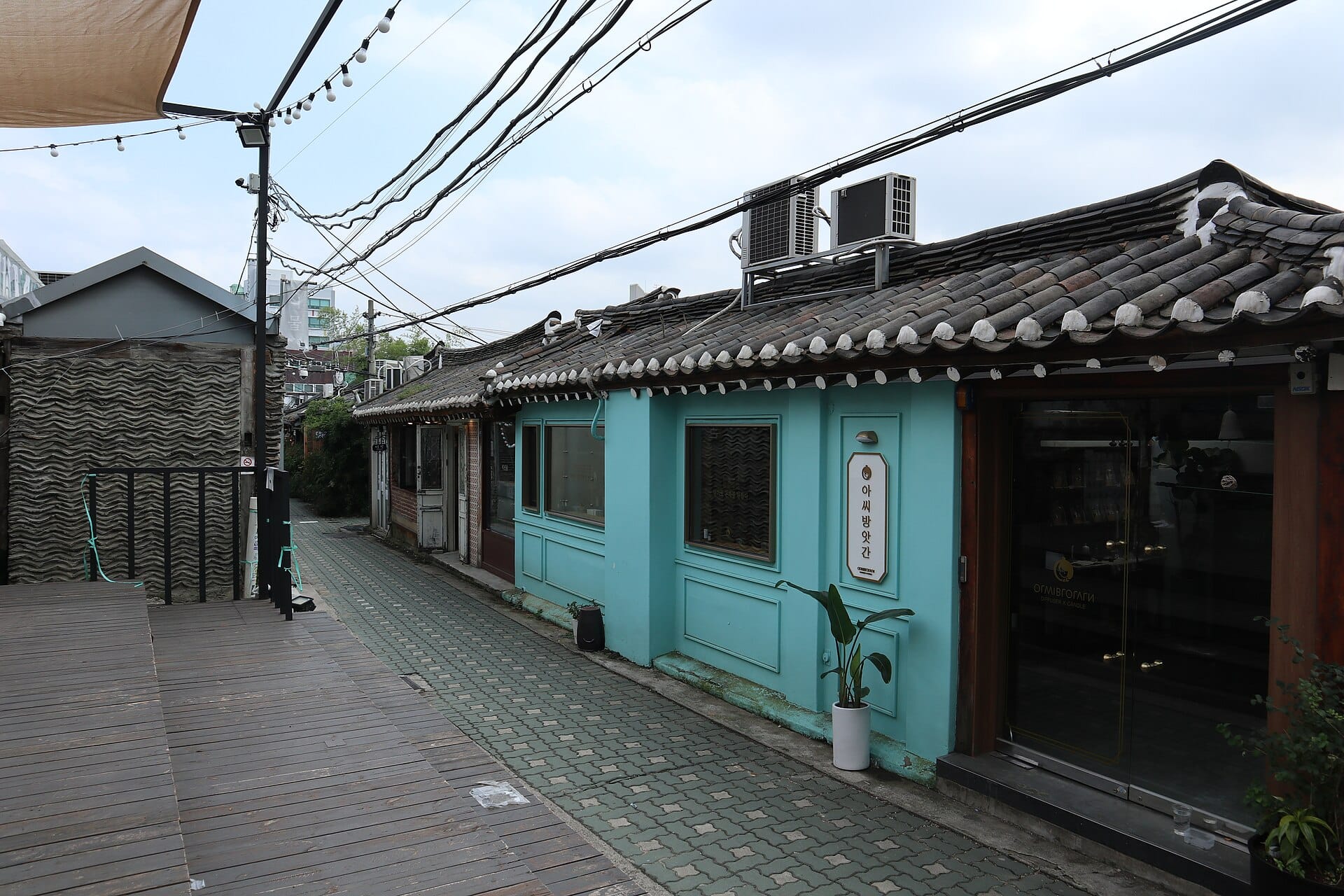
The result is a neighborhood that rewards slow wandering: alleys barely wide enough for two people to pass, low eaves strung with lights at night, and a new café, bar, or shop behind almost every sliding door.
How to Get to Ikseondong
Take Jongno 3-ga Station (Lines 1, 3, and 5) and leave by Exit 4 or Exit 6 — the hanok alleys start about three minutes’ walk north, on the far side of Supyo-ro. It’s a small, self-contained pocket, so once you’re off the main road you’re already inside it. Ikseondong also sits within easy walking distance of Insadong, Tapgol Park, and Jongmyo Shrine, which makes it simple to fold into a bigger day around Seoul’s historic core. Our guide to getting around Seoul covers the T-money card and the subway apps that make navigating the city’s alleys easier.
Best Things to Do in Ikseondong
There’s no checklist of sights here — Ikseondong is about the wander itself, but a few things make the visit:
- Get lost in the alleys on purpose. The district’s charm is in its narrowest lanes, where the crowds thin and every turn reveals another converted hanok.
- Rent a hanbok and lean into the photos. The low rooflines and lantern-lit alleys are some of the most reliable backdrops in the city — see the hanbok section below.
- Cross over to Tapgol Park. A short walk south, this small historic park marks the site of Korea’s 1919 independence movement and makes a quiet, green break from the alleys.
- Walk to Jongmyo Shrine. The UNESCO-listed royal Confucian shrine sits just north, a calmer, more solemn contrast to Ikseondong’s café buzz.
- Come back after dark. Strings of lights over the alleys and warmly lit café windows give Ikseondong a completely different mood at night than by day.
For the full palace-and-hanok side of the city, see our guide to Bukchon and Insadong, and for how Ikseondong fits alongside Seoul’s other neighborhoods, our Seoul neighborhoods guide and guide to things to do in Seoul set it in context.
Where to Eat & Drink in Ikseondong
Ikseondong runs on dessert cafés and evening drinking dens more than sit-down restaurants. Hanok converted into bakeries and tea rooms serve Korean-style toast, soufflé pancakes, and traditional drinks like omija and sikhye alongside espresso, often with a wait at the more photogenic spots — arriving right at opening or on a weekday helps. As the sun goes down, the same alleys fill with small makgeolli bars and pojangmacha-style pubs pouring Korean rice wine and small plates, a lower-key, more local alternative to Hongdae’s nightlife a few subway stops away.
Just a few minutes’ walk south, Gwangjang Market is one of Seoul’s oldest traditional markets and worth combining with an Ikseondong visit for bindaetteok (mung bean pancakes) and mayak gimbap — see our guide to Korean street food in Seoul for more of what to look for, and our guide to Dongdaemun for the shopping district just beyond it.
Hanbok Rental in Ikseondong
Hanbok shops cluster thickly around Ikseondong’s alleys, and a number of them lean into the neighborhood’s retro identity with vintage and 1970s-inspired outfits alongside the classic Joseon-style hanbok found near the palaces — a nice point of difference if you’ve already rented traditional dress in Bukchon. Renting here also means your photos come with Ikseondong’s low tiled roofs and string lights rather than a palace courtyard. Our hanbok rental guide covers pricing and what to expect, or you can book a hanbok experience or guided tour🎫 of the old quarter in advance.
What Time Is Best to Visit Ikseondong?
Weekday mornings, before 11 AM, are the calmest — the alleys are narrow enough that even a moderate crowd feels packed, and the most-photographed corners get a steady stream of visitors by early afternoon on weekends. If photos are the priority, go early; if atmosphere is the priority, come back after dark, when the lanterns and café lights turn the alleys into something closer to a film set. Either way, a weekday visit beats a weekend one by a wide margin.
Is Ikseondong Free to Visit?
Yes — the alleys themselves are completely free to walk, with no entrance ticket or gate, the same as Bukchon. You’ll pay only for what you order: coffee and dessert at the cafés, drinks at the bars, and the hanbok rental if you choose one. Because Ikseondong is built for browsing and sitting down rather than sightseeing, most visitors end up spending more here than at a typical free attraction simply because there’s always another café worth trying.
Tips for Visiting Ikseondong
- Go early or go at night. Midday on weekends is when the narrow alleys feel most crowded.
- Expect a wait at the popular cafés. The most photogenic hanok cafés often have a line — have a backup spot in mind.
- Wear flat, comfortable shoes. The lanes are narrow, uneven, and better explored slowly than rushed.
- Bring some cash. A handful of smaller bars and market stalls nearby don’t take cards.
- Pair it with a bigger loop. Insadong, Tapgol Park, and Gwangjang Market are all within a 10-minute walk, so it’s easy to build a full afternoon around Ikseondong.
Plan Your Trip
Start by booking your flights to Seoul✈️. Once your dates are set, here’s how to fit Ikseondong into the rest of the trip.
Build a historic-Seoul day. Pair Ikseondong with Bukchon, Insadong, and the palaces using our 4-day Seoul itinerary, and see the nearby guide to Gyeongbokgung Palace for the rest of the morning.
Sort where to stay. Our guide to where to stay in Seoul covers the best bases nearby, and for a longer stay you can rent a traditional hanok or apartment🏨 in the old town.
Disclosure: This post contains affiliate links. If you book through these links, I may earn a small commission at no extra cost to you. I only recommend services I’d use myself.