
Last updated: August 2026
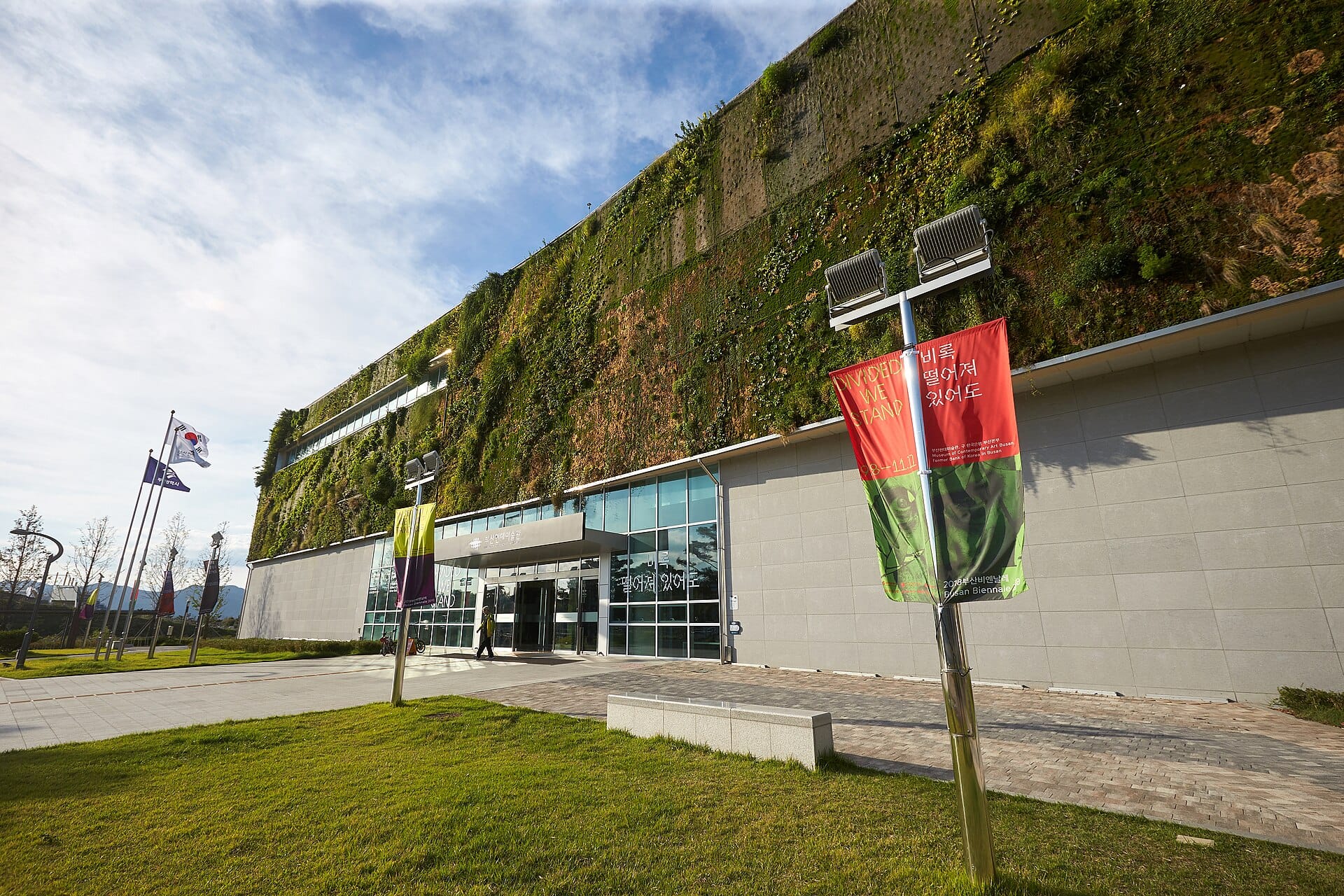
Quick answer: The Busan Biennale 2026, titled “Dissident Chorus,” runs August 29 to November 1 — 65 days — across three venues in Busan: the Museum of Contemporary Art Busan (MOCA Busan), the former Busan Nam High School, and Space OneZ. The show brings together 46 artist teams from 22 countries, curated by co-artistic directors Evelyn Simons and Amal Khalaf.
Table of Contents
- What Is the Busan Biennale?
- When and Where Is It in 2026?
- How Do You Get There?
- Where Should You Stay?
What Is the Busan Biennale?
The Busan Biennale is one of Korea’s two major recurring contemporary art exhibitions (alongside the Gwangju Biennale, which opens on an almost identical fall 2026 calendar), staged every two years since 1981 to bring international artists into conversation with Busan’s port-city identity. The 2026 edition, “Dissident Chorus,” is curated by Evelyn Simons and Amal Khalaf as co-artistic directors, and gathers 46 artist teams from 22 countries — a mix of large-scale installation, moving image, sound, and performance work spread across the exhibition’s three venues.
Unlike a single-building museum show, the Biennale format means visitors move between sites over the course of a day or two, with each venue offering a different flavor — a purpose-built contemporary art museum, a repurposed school building, and a smaller independent space. For the full artist list and any late programming additions, check the official announcement closer to your travel dates.
When and Where Is It in 2026?
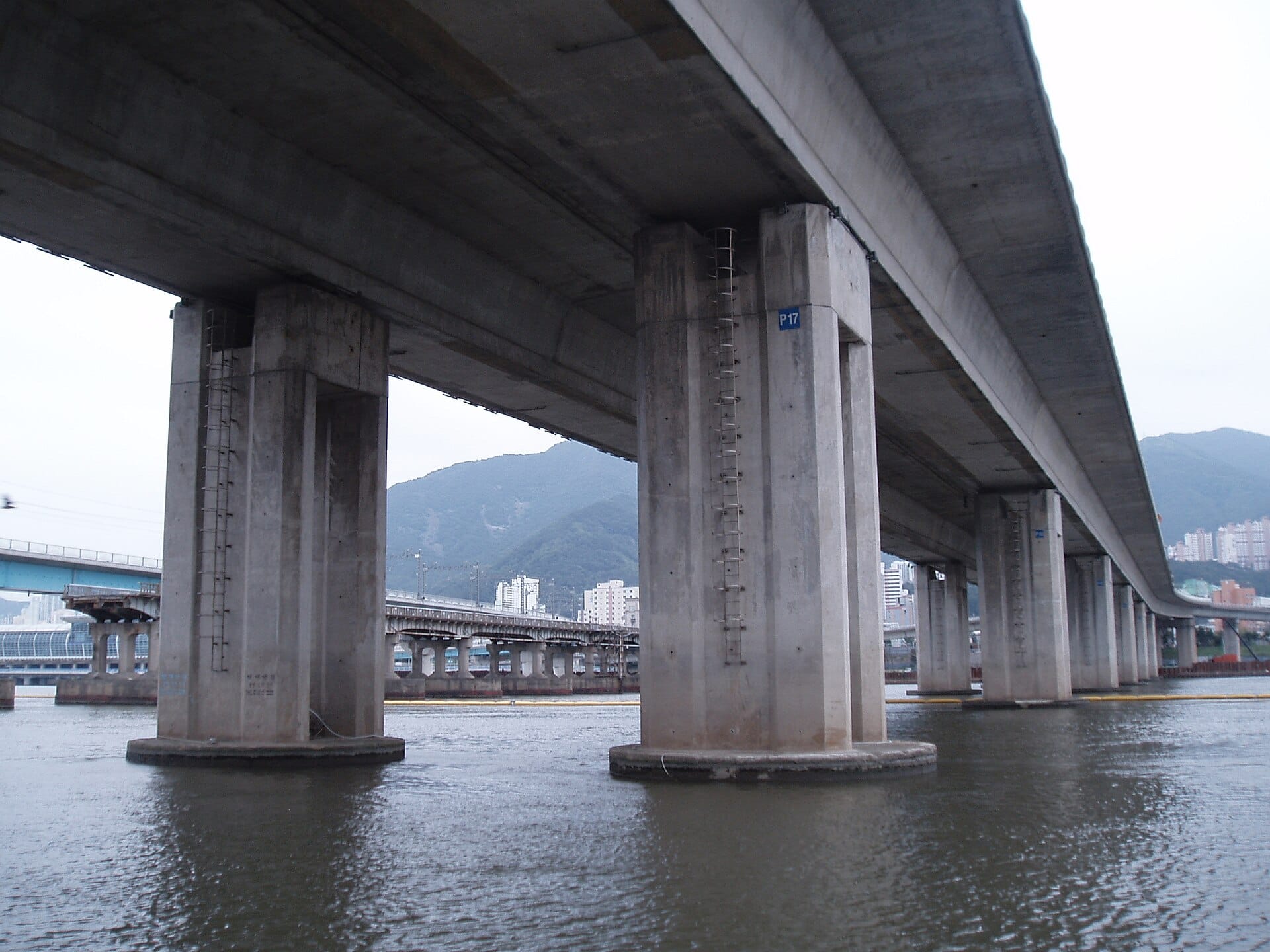
The 2026 Busan Biennale runs August 29 through November 1, a 65-day run that gives visitors a wide window to plan around rather than a narrow festival weekend. The exhibition spreads across three venues: the Museum of Contemporary Art Busan (MOCA Busan), sited on Eulsukdo island where the Nakdong River meets the sea in Saha-gu; the former Busan Nam High School, a decommissioned school building repurposed as exhibition space; and Space OneZ, a smaller independent venue. MOCA Busan typically anchors the show as the main venue, so it’s the natural starting point if you’re only visiting one site.
Because the run stretches into early November, the Biennale overlaps with cooler, more comfortable weather for walking between venues than Busan’s peak-summer festivals do — worth factoring in if you’re choosing between an August and an October visit.
How Do You Get There?
MOCA Busan sits on Eulsukdo, reachable by Busan Metro Line 1 to Hadan Station, then a short bus or taxi ride onto the island — it’s not a direct subway exit, so budget a little extra transfer time. The other two venues are located elsewhere in the city, so it’s worth mapping each site individually once you know which shows you want to see, rather than assuming everything clusters near MOCA.
From Seoul, Busan is about two and a half hours away by KTX high-speed train. If you’re flying in from overseas, Busan has its own international airport at Gimhae, and it’s often worth comparing fares straight into Busan✈️ instead of routing through Seoul, especially if art and museums are the main draw of the trip. For more on getting into the city generally, see our Busan travel guide.
Where Should You Stay?
With three venues spread across different parts of the city, a central base — Seomyeon or the area around Busan Station — keeps you within reasonable subway or taxi range of all three, rather than committing to whichever neighborhood sits closest to one site. Since the exhibition runs into the fall shoulder season when rates ease off the summer peak, it’s a good window to compare rooms across Busan🏨 for your dates. For a full neighborhood breakdown, see our guide to where to stay in Busan, and if you’re timing the trip around Busan’s broader fall arts and festival calendar, our recap of the Busan International Film Festival — running just after the Biennale closes — is worth a look too. The city’s other major venue, the Busan Museum of Art, also reopens in September after a two-year renovation, so it’s worth adding to the same fall arts itinerary. If your trip stretches into November, the Busan Fireworks Festival is an easy add-on.
Affiliate disclosure: Some links on this page are affiliate links. If you book through them, we may earn a small commission at no extra cost to you. This does not influence which events or venues we cover.