
Quick answer: South Korea is having its busiest summer in years. July–August 2026 brings scorching heat, typhoon risk, a packed festival calendar, and higher-than-usual crowds at major sites. Book accommodation and festival tickets now — popular options sell out weeks ahead.
South Korea’s inbound tourism has surged since 2023, and summer 2026 is shaping up to be the most popular season on record. The Korean Tourism Organization’s official Visit Korea Year 2026–2027 campaign is drawing more international visitors than ever, with airlines adding routes and the government rolling out promotional passes and special events throughout the year.
Is summer a good time to visit South Korea?
Summer is a peak season with clear trade-offs. Expect festivals, outdoor events, longer daylight hours, and a vibrant city atmosphere — alongside high humidity, intense heat, and occasional typhoon disruption. Most visitors who travel in July or August have a great trip, provided they plan around the heat and book early.
Why summer 2026 is busier than recent years
Three forces are driving visitor numbers higher than usual this summer:
- Visit Korea Year 2026–2027. The Korean government has designated this a dedicated tourism promotion period. The Korea Tourism Organization is running special events, tourist discount passes, and marketing campaigns across North America, Europe, Australia, and Southeast Asia.
- K-content momentum. K-drama, K-pop, and K-beauty continue to drive record interest in Korea travel. Summer concert tours bring waves of international fans, and filming locations from hit shows fill fast on weekends.
- Easy entry for most nationalities. Citizens of 22 countries and territories remain K-ETA exempt through 31 December 2026; other visa-free nationalities still need one. The digital e-Arrival Card replaced paper forms in January 2026 — pre-register online before your flight to skip queues on arrival.
In practice: popular restaurants have longer waits, Gyeongbokgung and N Seoul Tower are crowded early on summer weekends, and budget accommodation in central neighborhoods books up fast. Early reservation is now the norm, not the exception.
What to expect from July–August heat in Seoul
Seoul in July averages 25–30 °C (77–86 °F) with high humidity — it feels considerably hotter than the thermometer reads. August brings the heaviest summer rainfall alongside continued heat. Key facts for visitors:
- Heatwave days (above 33 °C / 91 °F) occur roughly 10–15 times across July and August. The Korea Meteorological Administration issues heat advisories; check these before scheduling heavy outdoor sightseeing days.
- Go early or late. Start outdoor activities — palaces, open-air markets, hiking — before 10 am and take a midday break indoors. Seoul’s air-conditioned underground shopping arcades, department stores, and museums are built for exactly this.
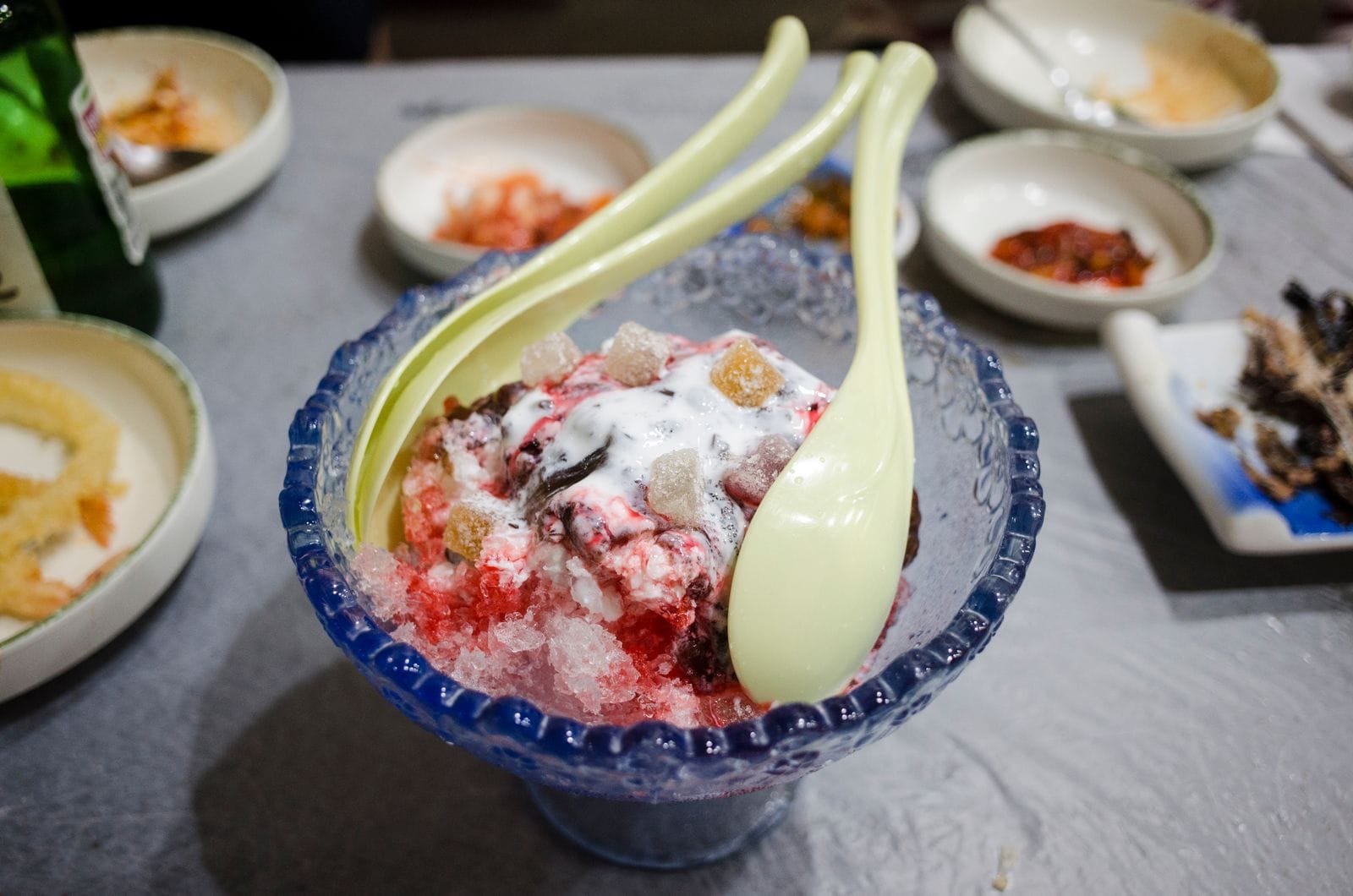
- Cool down with local staples. Iced barley tea at convenience stores, patbingsu (shaved ice with toppings) at cafés, and cold naengmyeon noodles are summer essentials well worth seeking out.
- Pack light, breathable fabrics. Korea’s summer humidity makes synthetics uncomfortable — loose natural fabrics outperform everything else in the heat.
Typhoon season: what to know before you go
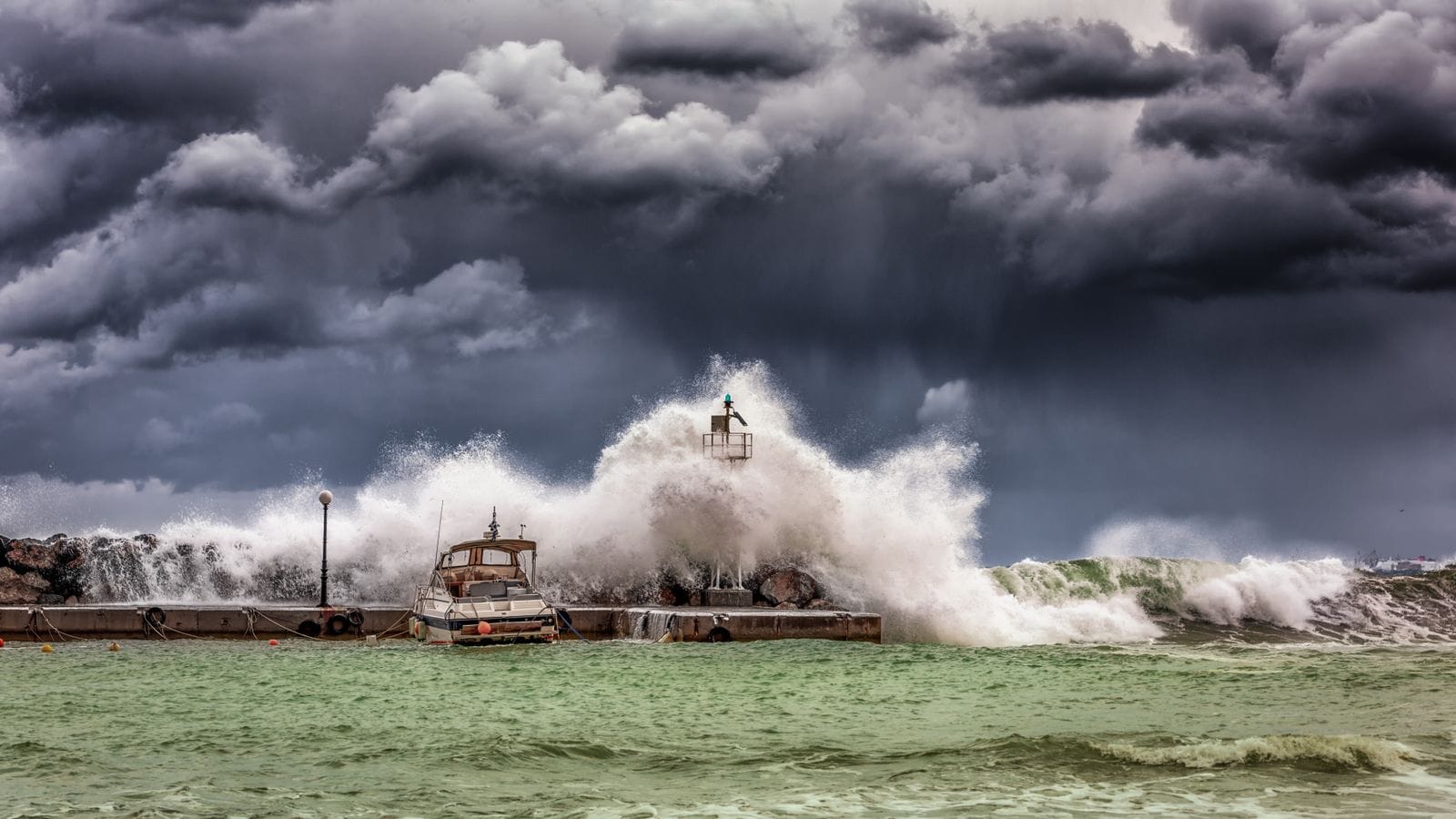
Korea’s typhoon season runs July through September, with August historically the most active month for storms tracking near the peninsula. Typhoons typically affect the southern coast and Jeju Island more severely than Seoul, but rain bands can bring heavy downpours and disruption across the whole country.
How to prepare:
- Book flexible rates. Refundable hotel bookings let you adjust if a typhoon disrupts transit or causes event cancellations. The non-refundable savings rarely outweigh the risk when August is on the itinerary.
- Monitor forecasts. The Korea Meteorological Administration (English version available) issues typhoon watches 72 hours in advance. KTX and domestic airlines adjust schedules when a severe typhoon is forecast.
- Southern and island itineraries need buffer days. Ferry routes from Busan to Jeju and smaller island services are the first to suspend. Build a spare day into any August itinerary that includes Jeju Island or the southern coast.
- Seoul itself is usually manageable. The capital sits far enough inland that most typhoons bring heavy rain and wind rather than severe structural impact. Metro services rarely suspend; outdoor events sometimes postpone by a day.
Major summer festivals and events
Summer 2026 has an unusually full event calendar. Several headline events already have tickets on sale:
- Waterbomb Seoul (24–26 July, KSPO Dome): Korea’s biggest outdoor music-and-water festival. Tickets sell out months ahead — check availability immediately if this is on your list.
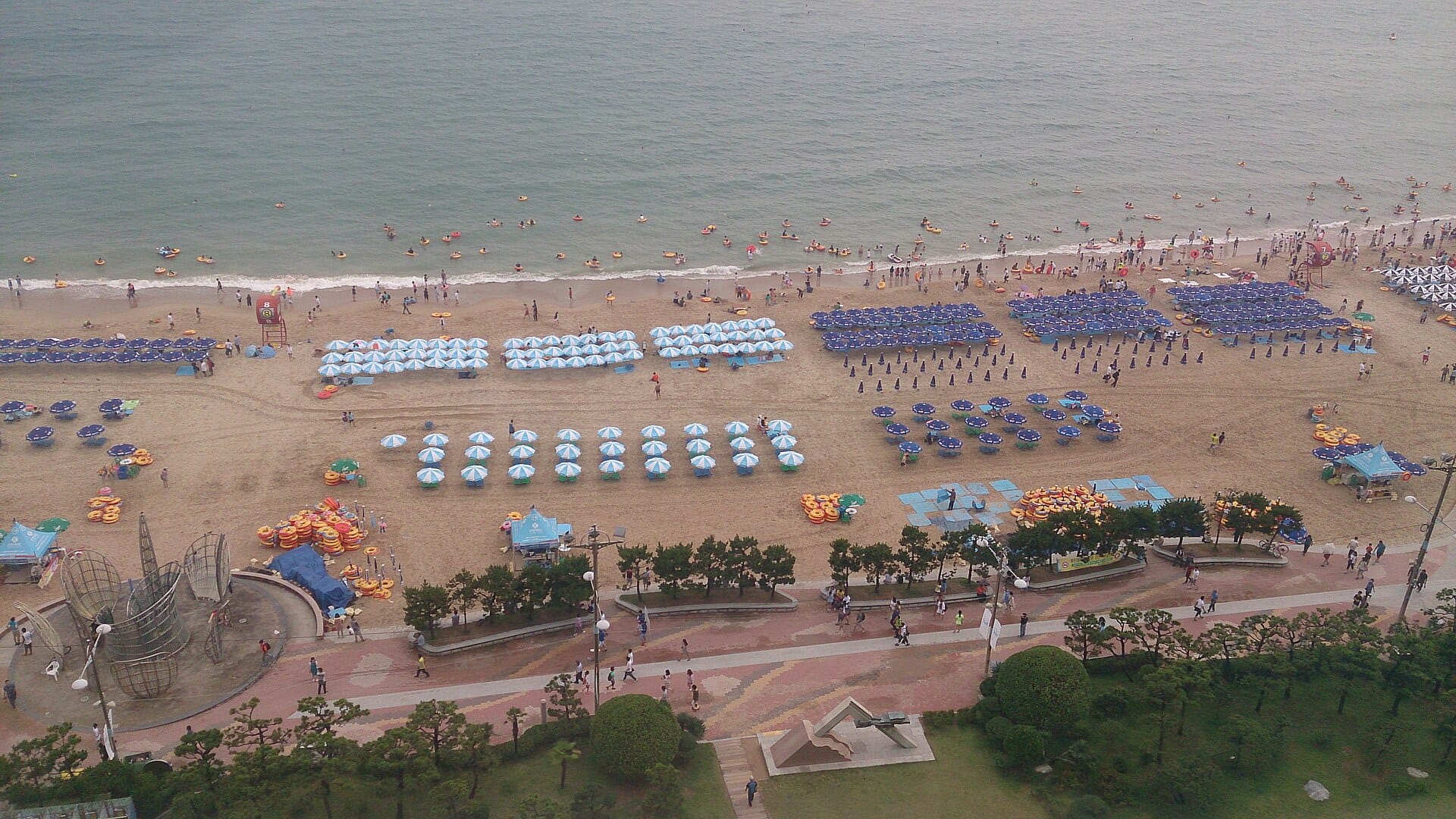
- Boryeong Mud Festival (24 July – 9 August, Boryeong Beach): The country’s most famous summer beach festival, a two-hour bus ride from Seoul. Day trips or overnight stays both work well.
- Incheon Pentaport Rock Festival (31 July – 2 August, Songdo): Massive Attack, Khruangbin, and Pixies headline three days in Incheon. See the full guide for tickets and how to get there.
- Hangang River Festival (1–16 August, Han River parks): 80 free programs across Seoul’s riverside parks — water sports, outdoor concerts, circus acts, and open-air cinema.
For a complete overview of summer events through August, see the Korea Summer Festivals 2026 guide.
What to book well ahead for a summer Korea trip
With visitor numbers at record highs, the rule for summer 2026 is simple: reserve early. Here is the priority order:
- Accommodation: Hotels in Myeongdong, Hongdae, and Itaewon sell out on summer weekends. Aim to book 4–6 weeks ahead for July and 6–8 weeks out for the August festival period. The where to stay in Seoul guide covers the best neighborhoods and price tiers.
- Festival tickets: Pentaport and Waterbomb sell out. The Hangang River Festival is free but timed activity slots fill fast on summer weekends.
- DMZ tours: English-language tours book out weeks in advance during summer peak. Secure a spot before you depart, not after you land.
- Hanbok rental near Gyeongbokgung: Popular shops fill their morning slots before 9 am on summer weekends. Reserve online at least a week ahead.
Entry requirements and arrival prep
Citizens of visa-waiver countries need no visa for stays under 90 days, and 22 countries and territories — including the US, UK, Canada, Australia, Japan, Taiwan and 11 EU states — are also exempt from the K-ETA through 31 December 2026. Visa-free nationalities outside those 22, such as Thailand and Malaysia, still need a K-ETA before boarding. All visitors must complete Korea’s e-Arrival Card before boarding their flight: it is free and takes about five minutes on a phone. For the step-by-step process and a full list of visa-exempt nationalities, see the Korea entry requirements guide.
Getting around Seoul in the summer heat
Seoul’s subway is fully air-conditioned and the most comfortable way to navigate the city during a heat wave. Avoid outdoor surface buses and open-air markets at peak afternoon hours on especially hot days. For a complete breakdown of transit options — T-money card, AREX express train, taxis, and airport transfers — see the guide to getting around Seoul.