
Last updated: November 2026
Quick answer: The best museums in Seoul for a first visit are the National Museum of Korea (free, and the one to pick if you only have time for one), the National Folk Museum and National Palace Museum beside Gyeongbokgung, MMCA Seoul for contemporary art, Leeum for Korean ceramics in landmark architecture, and the free War Memorial of Korea. Most national museums cost nothing to enter, several stay open until 9 pm on Wednesdays and Saturdays, and many close on Mondays, so plan the week around those three facts.
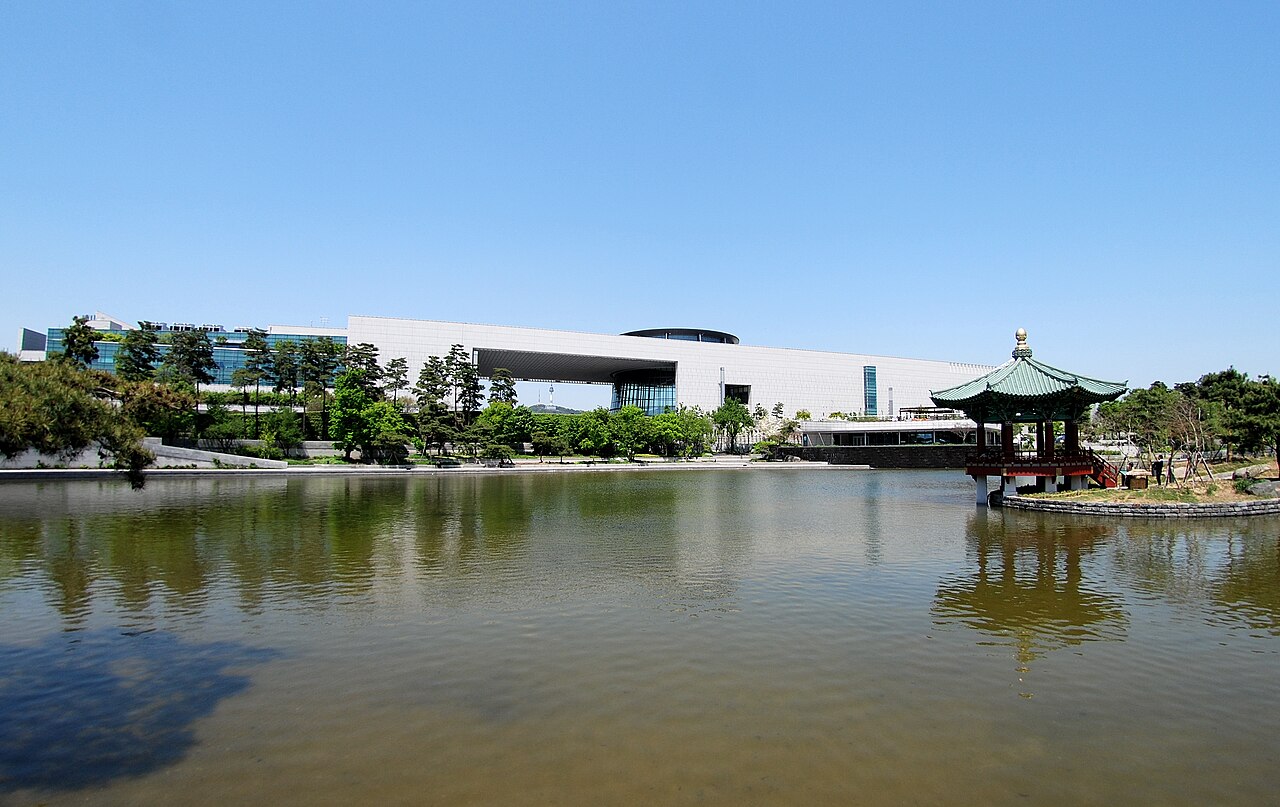
Seoul’s museums are one of the best-value parts of a trip to Korea. The big national institutions are free, rarely crowded on weekday mornings, and they are the perfect plan B for a freezing January afternoon or a monsoon day in July. This guide picks nine museums worth your time, says who each one suits, and groups them by area so you can pair them with nearby sights. Hours and fees below come from the museums’ own pages where we could check them; special exhibitions change often, so confirm on the official site before a long trip across town.
Table of Contents
- Which Seoul Museums Should You Visit First?
- Is the National Museum of Korea Really Free?
- Which Museums Pair with Gyeongbokgung Palace?
- Where Should Art Lovers Go in Seoul?
- Which Museums Explain Modern Korean History?
- When Are Seoul Museums Free or Open Late?
- Which Days Are Seoul Museums Closed?
- How Should You Group Museums by Area?
- Plan Your Trip
Which Seoul Museums Should You Visit First?
Start with the National Museum of Korea, then choose by interest: palaces and daily life (Folk and Palace museums), art (MMCA, Leeum, Amorepacific) or modern history (War Memorial, Seoul Museum of History, Seodaemun Prison). Here is the short list at a glance.
| Museum | Best for | Area | Entry |
|---|---|---|---|
| National Museum of Korea | First-timers, Korean history and art in one place | Yongsan (Ichon Station) | Free (some special shows paid) |
| National Folk Museum of Korea | Everyday life in old Korea, families | Inside Gyeongbokgung grounds | Free |
| National Palace Museum of Korea | Royal objects of the Joseon kings | Next to Gyeongbokgung | Free |
| MMCA Seoul | Modern and contemporary art | Samcheong-ro, near Anguk | Varies by show; free on late nights |
| Leeum Museum of Art | Korean ceramics and architecture | Hannam-dong (Hangangjin Station) | Paid, book online |
| Amorepacific Museum of Art | Changing international exhibitions | Yongsan (Sinyongsan Station) | Paid by exhibition |
| War Memorial of Korea | Korean War history, outdoor aircraft and tanks | Yongsan (Samgakji Station) | Free |
| Seoul Museum of History | How Seoul grew from capital to megacity | Near Gwanghwamun | Free |
| Seodaemun Prison History Hall | The colonial period and independence movement | Dongnimmun Station | Small fee |
If you are planning around children, our Seoul with kids guide covers the free children’s museums at the National Museum and the Folk Museum in more detail, including the online booking the children’s sessions need.
Is the National Museum of Korea Really Free?
Yes. Entry to the permanent galleries and the Children’s Museum is free, and only certain special exhibitions charge a fee, according to the museum’s official visitor information page. It is the largest museum in the country and the single best place in Seoul to understand Korean history, from prehistoric tools through the Silla and Goryeo kingdoms to the Joseon dynasty.
Three things are worth seeking out even on a short visit:
- The Room of Quiet Contemplation, a dimly lit gallery built around two gilt-bronze pensive bodhisattva statues. It is the museum’s most famous space and worth ten quiet minutes.
- The Gyeongcheonsa ten-story stone pagoda, a marble pagoda from the Goryeo period that rises through the museum’s central hall.
- The ceramics galleries, where the pale green Goryeo celadon makes a good warm-up if you plan to see Leeum later.
The official page lists opening hours of 9:30 am to 5:30 pm on Monday, Tuesday, Thursday, Friday and Sunday, and 9:30 am to 9 pm on Wednesday and Saturday, with last entry 30 minutes before closing. The museum sits in Yongsan Family Park beside Ichon Station (Line 4 and the Gyeongui-Jungang Line). Allow at least three hours; a full day is easy. The lakeside garden and the outdoor stone pagodas can be visited without a ticket and are lovely in autumn.
Which Museums Pair with Gyeongbokgung Palace?
Two free national museums sit right at the palace, so a morning at Gyeongbokgung can turn into a full culture day without another subway ride.
National Folk Museum of Korea
The National Folk Museum shows how ordinary Koreans lived, worked and celebrated through the year, with farming tools, kimchi jars, wedding clothes and a reconstructed street of older shops outside. It is free, though if you walk in through the palace’s main gate you need a Gyeongbokgung ticket (₩3,000 for adults, free if you wear hanbok). Its building is easy to spot: the tiered roof echoes traditional temple architecture. A separate Children’s Museum on site works well for younger kids.
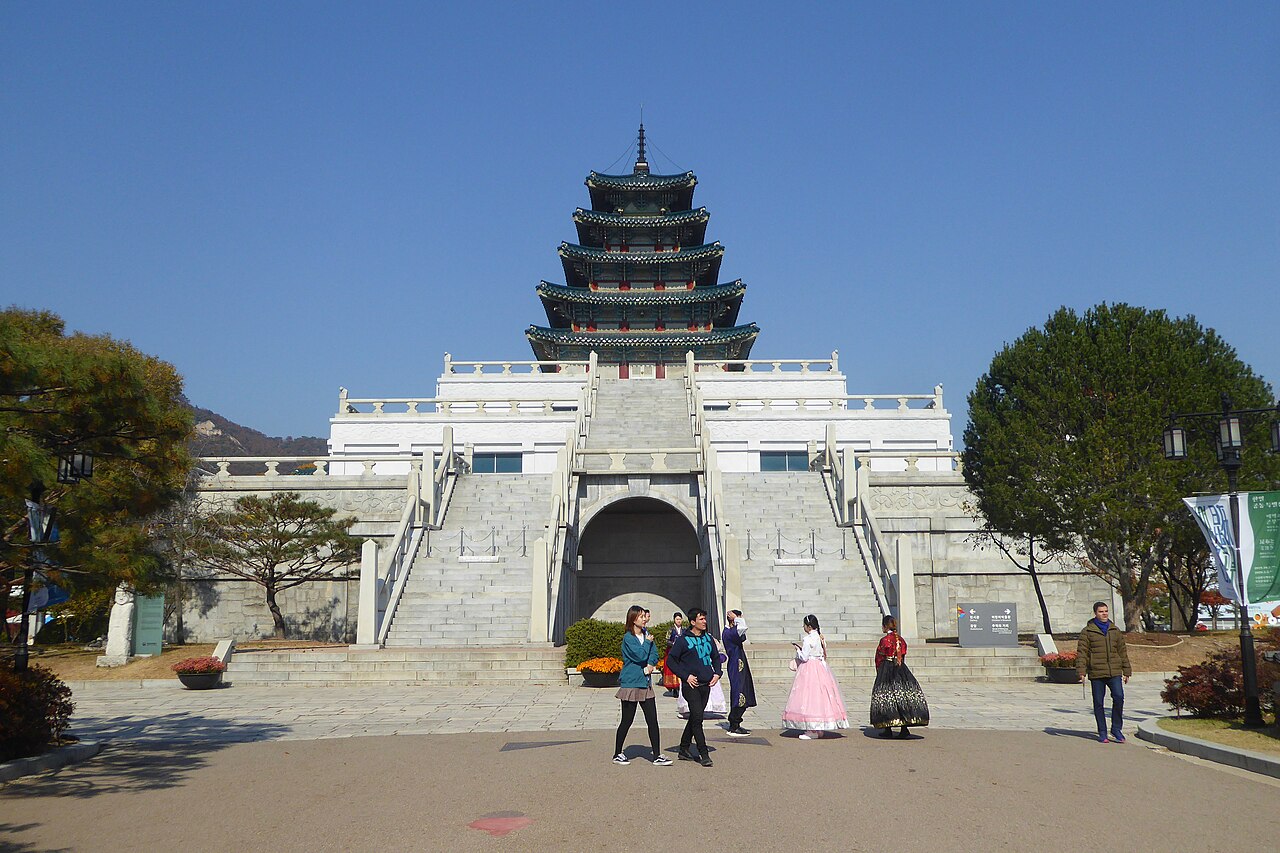
National Palace Museum of Korea
The National Palace Museum, just inside the palace’s southwest corner, holds the objects of the Joseon court: royal seals, robes, astronomical instruments and the great painted screens that stood behind the throne. It gives context to the empty halls you have just walked through, and it is free. Our Gyeongbokgung Palace guide explains the ticket rules and the changing of the guard, and our hanbok rental guide lists shops near the gate if you want free palace entry.
Where Should Art Lovers Go in Seoul?
For contemporary art go to MMCA Seoul; for traditional Korean art and striking buildings go to Leeum; and check what is on at Amorepacific and the Seoul Museum of Art, whose shows change through the year.
MMCA Seoul
The Seoul branch of the National Museum of Modern and Contemporary Art stands between Gyeongbokgung and the Bukchon hanok lanes. It is the city’s main stage for large exhibitions by Korean and international artists. According to the MMCA visitor information page, it opens 10 am to 6 pm, and until 9 pm on Wednesdays and Saturdays; fees vary by exhibition, and visitors under 24 or over 65 enter free with ID. Popular shows can sell out, as the 2026 Do Ho Suh exhibition did; our Do Ho Suh MMCA Seoul exhibition article explains how timed tickets worked. Combine it with an afternoon in Bukchon Hanok Village and Insadong.
Leeum Museum of Art
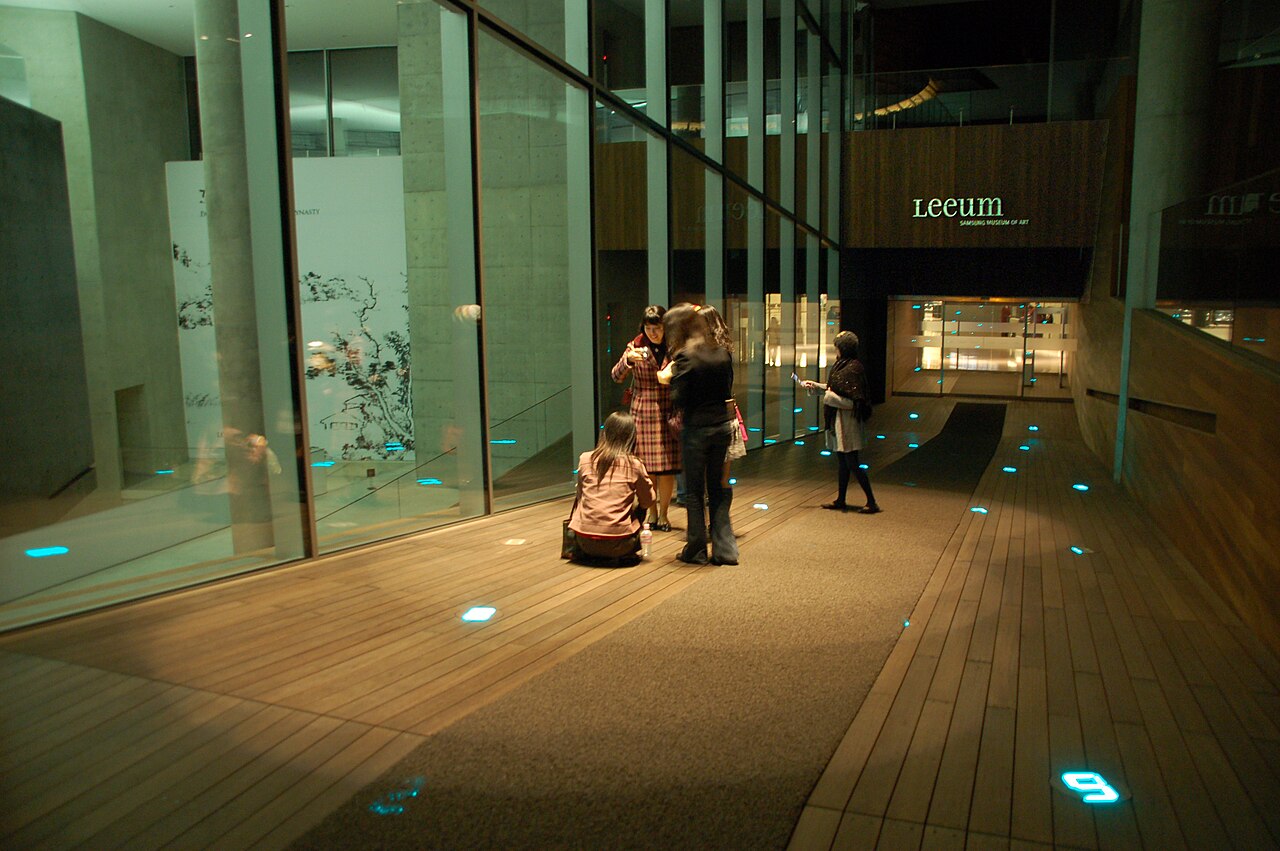
Leeum, run by the Samsung Foundation of Culture, is worth visiting for the buildings alone: its three main structures were designed by Mario Botta, Jean Nouvel and Rem Koolhaas, as its Wikipedia entry notes. Inside, the traditional collection of celadon, white porcelain and Buddhist painting is among the finest anywhere, and the contemporary galleries host major retrospectives such as the Koo Jeong-a retrospective at Leeum. It is closed on Mondays, tickets depend on the exhibition, and booking a time slot online is sensible on weekends. The nearest station is Hangangjin on Line 6, followed by a short uphill walk; the cafes and galleries of Hannam-dong and Itaewon are right next door.
Amorepacific Museum of Art and SeMA
The Amorepacific Museum of Art sits inside the cosmetics company’s David Chipperfield-designed headquarters by Sinyongsan Station, and it brings in strong international shows such as the Jonas Wood exhibition at Amorepacific Museum. The city-run Seoul Museum of Art (SeMA) has several branches; its main building near Deoksugung Palace is the easiest to drop into, and the new Seo-Seoul Museum of Art focuses on new-media and digital art.
Which Museums Explain Modern Korean History?
The War Memorial of Korea is the essential one: it is free, huge, and explains the Korean War better than anywhere else in the country. Two smaller sites fill in the decades before and around it.
War Memorial of Korea
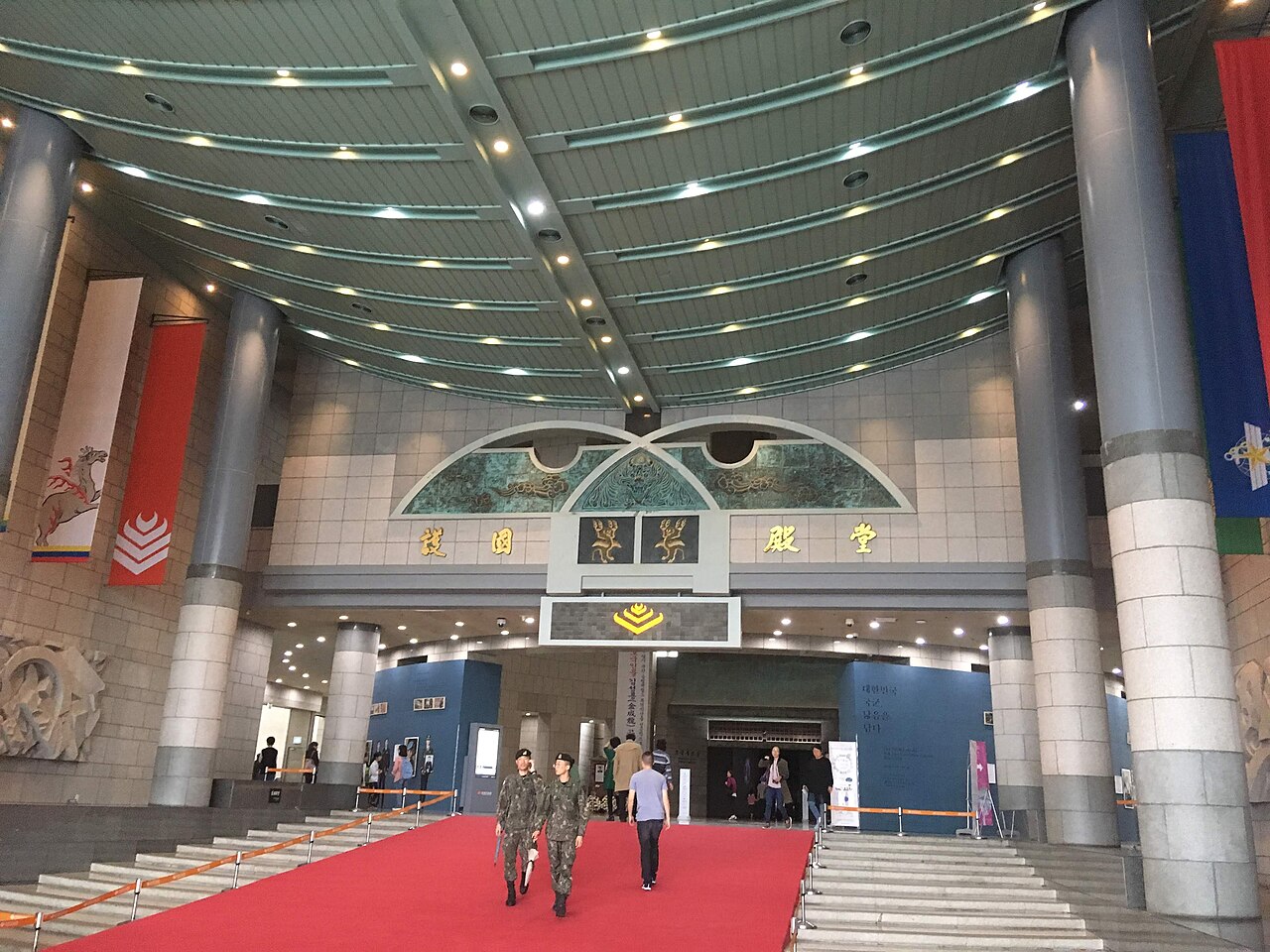
The War Memorial in Yongsan, a short walk from Samgakji Station (Lines 4 and 6), covers Korea’s conflicts from ancient times to the present, with the Korean War galleries as the centerpiece. The outdoor area is lined with real aircraft, tanks and artillery that children love, and the corridors of names of the fallen, including soldiers from the countries that fought under the UN flag, are moving. Entry to the permanent exhibition is free and the museum is closed on Mondays. Allow two to three hours. If the visit leaves you wanting to see the border itself, a guided day tour to the DMZ from Seoul🎟️ is the natural next step, and our DMZ tour from Seoul guide compares the options.
Seoul Museum of History and Seodaemun Prison
The free Seoul Museum of History, near Gwanghwamun beside the quiet Gyeonghuigung Palace, tells the story of the city itself, with a giant scale model of Seoul that lets you find your hotel. It is closed on Mondays. A few subway stops west, Seodaemun Prison History Hall at Dongnimmun Station (Line 3) preserves the red-brick prison where independence activists were held during the Japanese colonial period. It is sobering rather than fun, but it explains a great deal about modern Korea.
When Are Seoul Museums Free or Open Late?
Wednesday and Saturday evenings are the time to remember. The National Museum of Korea stays open until 9 pm on those days, and MMCA Seoul is open until 9 pm with free admission from 6 pm to 9 pm. MMCA is also free on Culture Day, the last Wednesday of every month, when many cultural venues across Korea offer free or discounted entry.
In practice that means you can spend a Wednesday or Saturday outdoors while the light lasts, then head into a museum after dark. This is especially useful in winter in Seoul, when it is dark before 6 pm and the cold makes outdoor evenings hard.
- Always free: National Museum of Korea (permanent galleries), National Folk Museum, National Palace Museum, War Memorial of Korea, Seoul Museum of History.
- Free at set times: MMCA Seoul on Wednesday and Saturday evenings and on Culture Day.
- Paid: Leeum, Amorepacific and most special exhibitions. If you want a guide to bring the collections to life, it is worth checking guided culture tours and attraction tickets in Seoul🎟️ before you go.
Which Days Are Seoul Museums Closed?
Mondays catch out the most visitors: Leeum, the War Memorial and the Seoul Museum of History are all closed on Mondays. The National Museum of Korea and MMCA Seoul, by contrast, open on Mondays, so they are your best choice for the start of the week.
The national museums also close on New Year’s Day and on the main day of Seollal (Lunar New Year) and Chuseok. In 2027, Seollal falls on Sunday, February 7, so check opening days carefully if you travel that week; our Seollal 2027 guide lists what stays open over the holiday. The National Museum of Korea additionally closes its galleries on the first Monday of March, June, September and December, according to its official page.
How Should You Group Museums by Area?
Seoul’s museums fall into two clusters, which makes them easy to combine without long cross-city rides.
- Palace cluster (Jongno): Gyeongbokgung, the National Palace Museum and the National Folk Museum in the morning, then MMCA Seoul in the afternoon, with the Seoul Museum of History a short walk away. Stay for dinner in Insadong or Bukchon.
- Yongsan cluster: the National Museum of Korea (Ichon), the War Memorial (Samgakji) and the Amorepacific Museum (Sinyongsan) are each one or two stops apart, and Leeum is a short taxi ride away in Hannam-dong.
If museums are a big part of your plans, a central base cuts travel time. Gwanghwamun and City Hall put you on foot from the palace cluster, while Yongsan is close to the second group and one stop from Seoul Station, where the airport railroad starts. You can compare hotels across central Seoul🏨, and our where to stay in Seoul guide compares the neighborhoods. Our getting around Seoul guide explains the T-money card and subway apps.
Plan Your Trip
Seoul’s museums reward a little planning: put the free national museums on your Monday-proof days, save Wednesday or Saturday evening for MMCA or the National Museum, and book Leeum ahead. For current exhibitions across the country, the Korea Tourism Organization’s VisitKorea site is a good place to check.
Winter is the quietest time to visit the galleries and, outside Christmas and the New Year holidays, usually the cheapest season to travel, so it pays to compare flights to Seoul✈️ across a few dates. For the rest of your days, our things to do in Seoul list and 4-day Seoul itinerary show how a museum day fits into a full trip.
Disclosure: This post contains affiliate links. If you book through these links, I may earn a small commission at no extra cost to you. I only recommend services I’d use myself.