Last updated: October 2026
Quick answer: Seoul with kids is easier than most big Asian cities: the subway is clean and safe, children under 6 ride free, and many of the best family stops cost nothing, including Seoul Children’s Grand Park, the Children’s Museum at the National Museum of Korea, and the Han River parks. Mix one paid “big day” (Lotte World or Everland) with free parks and museums, base yourself near a subway line with elevators, and plan indoor backups for hot summer afternoons and cold winter days.
This guide is for parents planning a first family trip to Seoul, with toddlers, primary-school children or teenagers. It covers the places children actually enjoy, what is free, how to get around with a stroller, what to eat when the kids refuse kimchi, and which neighborhoods make the best family base. Opening hours and prices change by season, so we link to the official pages where you should check before you go.
Table of Contents
- Is Seoul a Good City to Visit with Kids?
- What Can Kids Do in Seoul for Free?
- Which Seoul Museums Are Best for Children?
- Lotte World or Everland: Which Theme Park Suits Your Family?
- What Can Families Do on a Rainy or Freezing Day?
- How Do You Get Around Seoul with a Stroller?
- What Will Kids Eat in Seoul?
- Where Should Families Stay in Seoul?
- A Sample 4-Day Family Plan
- Plan Your Trip
Is Seoul a Good City to Visit with Kids?
Yes. Seoul is one of the more relaxed big cities in Asia for families. Streets are safe late into the evening, public toilets are free and usually clean, and convenience stores on almost every block sell water, snacks, wet wipes and diapers. Korean parents take their children everywhere, so you will see strollers in cafes, museums and department stores without anyone blinking.
The hard parts are physical rather than cultural. Seoul is hilly, many older neighborhoods have steep lanes and stairs, and summer afternoons are hot and humid. Distances inside big subway transfer stations can also be long for small legs. Plan two main activities a day at most, keep a midday break, and you will avoid most meltdowns.
Season matters too. Spring and autumn are the easiest times for outdoor parks, while July and August call for indoor plans in the afternoon. Our best time to visit Seoul guide compares the months in more detail.
What Can Kids Do in Seoul for Free?
A surprising amount. Seoul’s city parks are free to enter, and several of them are built around children.
Seoul Children’s Grand Park
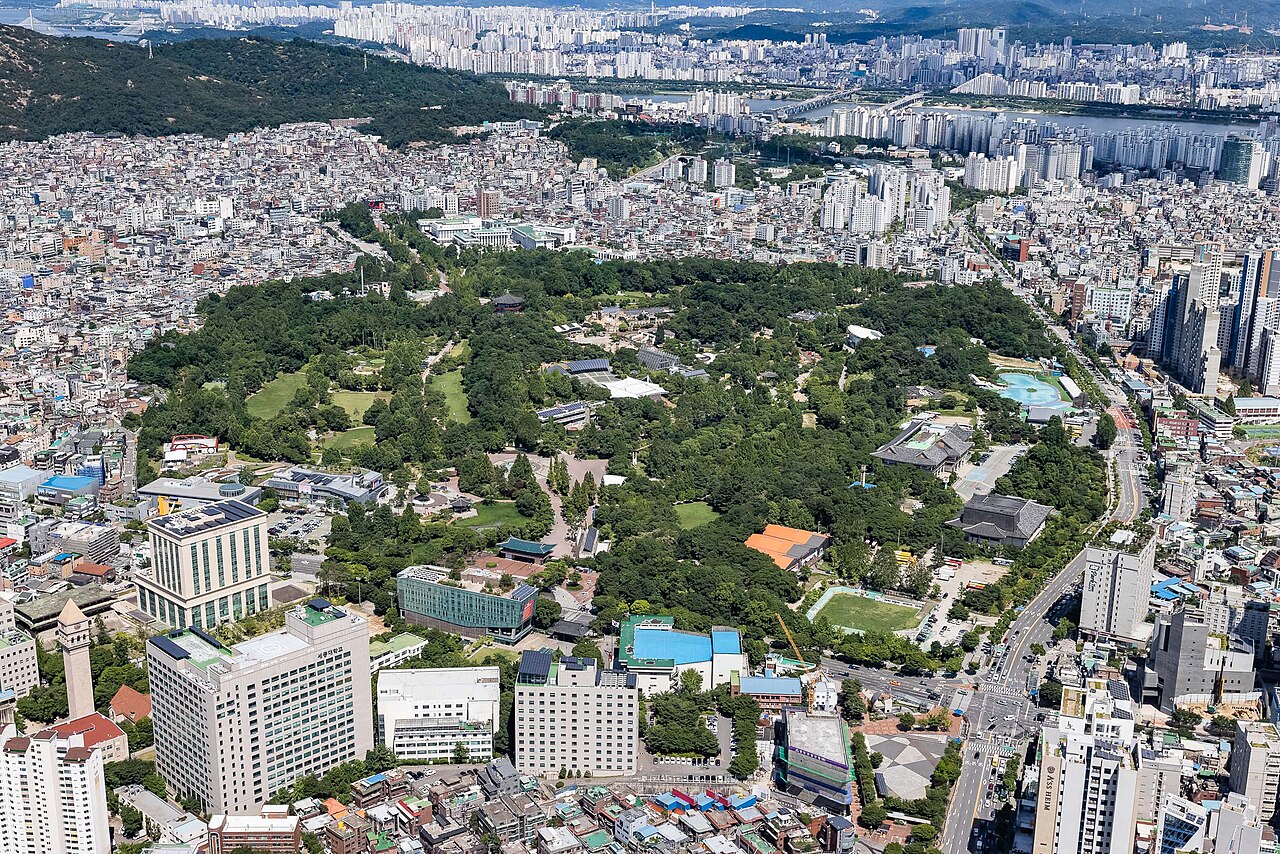
Seoul Children’s Grand Park (서울어린이대공원) in Gwangjin-gu is the obvious first stop for families with younger children. Entry to the park grounds is free (a few facilities, such as the rides, charge separately), and it combines a small zoo, playgrounds, a botanical garden, lawns for picnics and a fairground area. It sits right next to Children’s Grand Park Station on subway Line 7, with Achasan Station on Line 5 at another gate. Plan on a half day. The park opened in 1975 on the grounds of a former royal tomb, as its Wikipedia entry notes, which is why it has so many old trees. Ride fees and zoo hours change by season, so check on arrival.
Seoul Forest and its deer
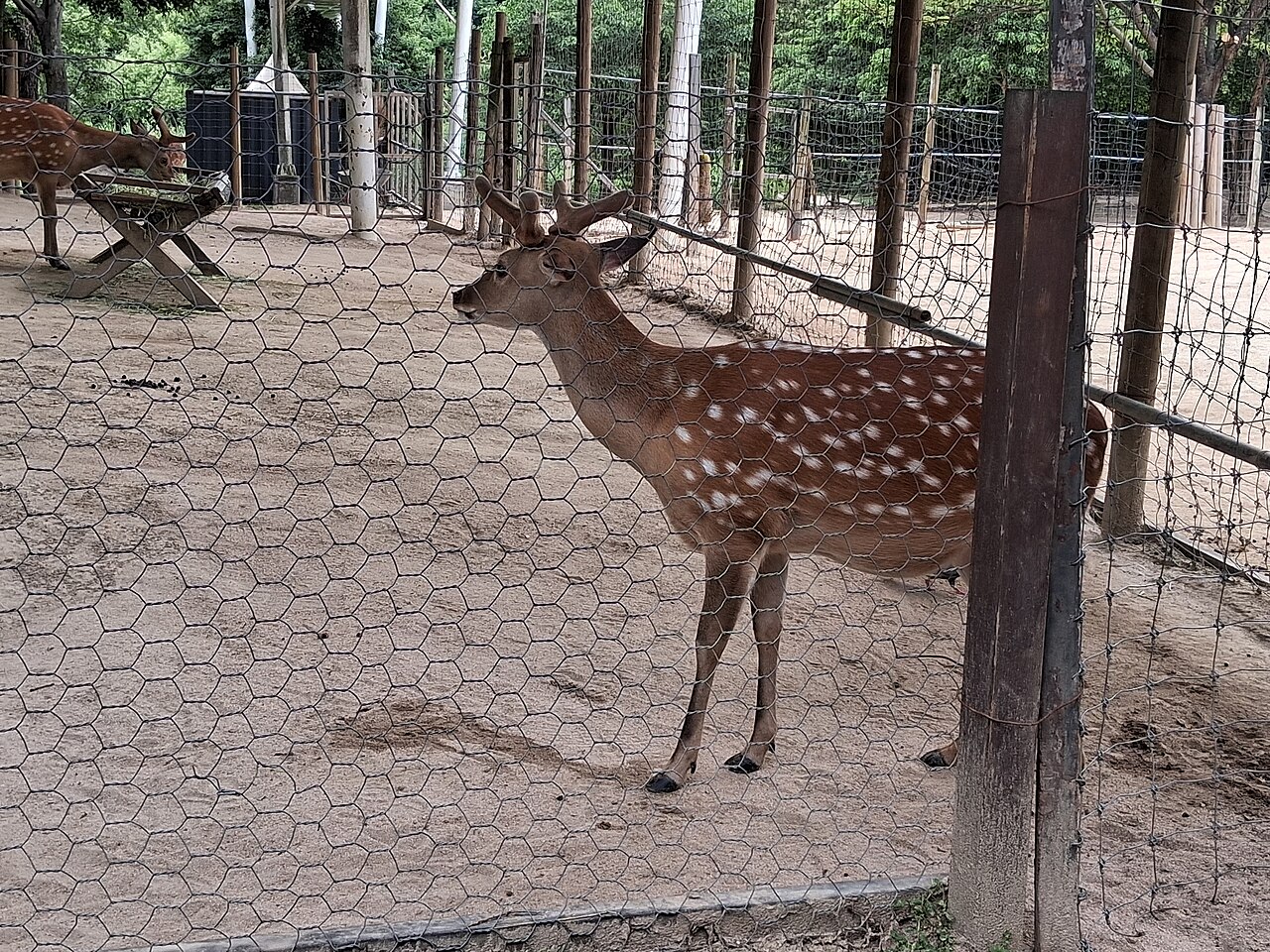
Seoul Forest, on the edge of trendy Seongsu-dong, is a large park with open lawns, a butterfly garden and a fenced area where sika deer graze close to the path. Children can watch them for a long time, and parents can walk across to Seongsu’s cafes afterward. Our Seongsu-dong guide covers the neighborhood around it.
The Han River parks
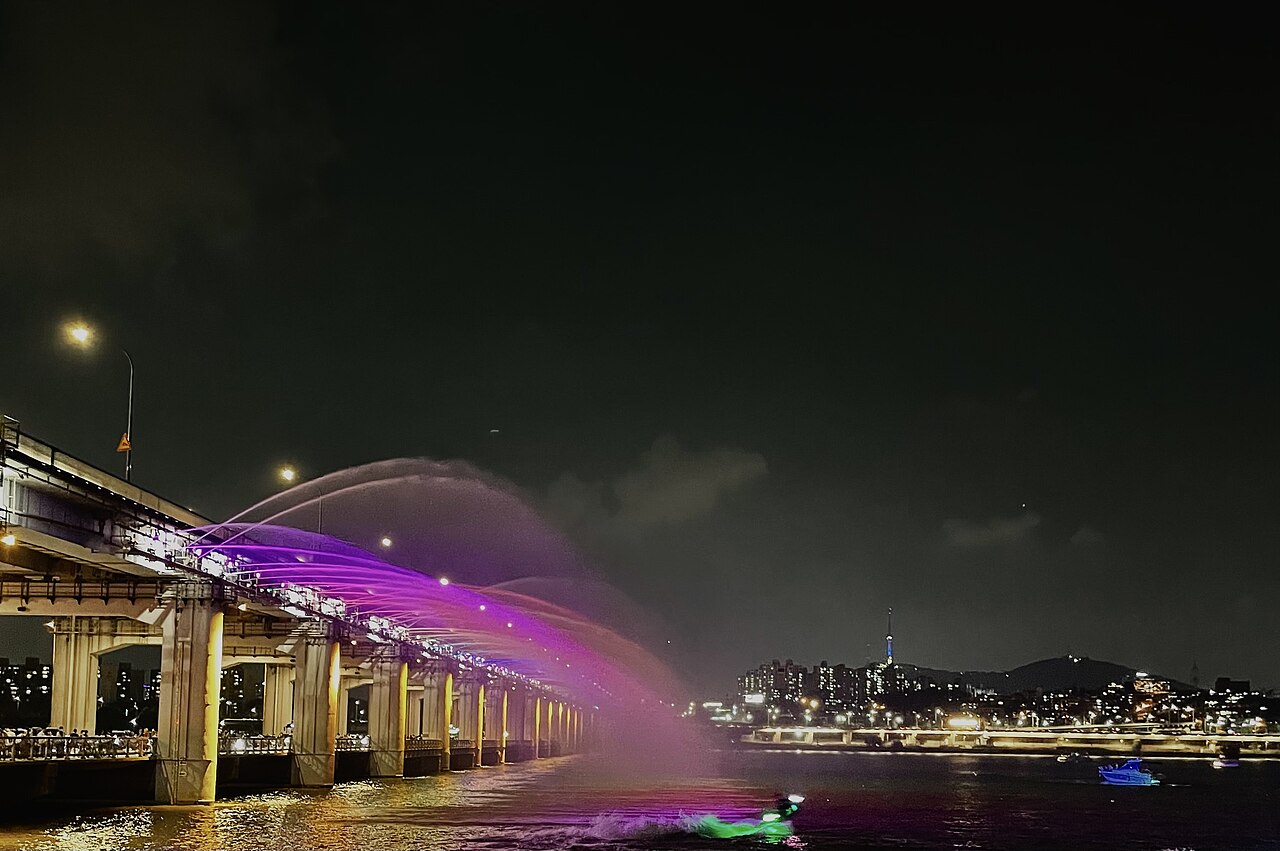
The parks along the Han River are where Seoul families go on weekends. Children ride bikes and scooters on the long flat paths, parents order fried chicken delivered to the riverbank, and in summer some parks open outdoor swimming pools. At Banpo Hangang Park, the Moonlight Rainbow Fountain on Banpo Bridge runs short evening shows in the warmer months (roughly spring to autumn), which is a free and easy treat after dinner. Our Han River guide explains which park to choose and how to get there.
Palaces, especially in hanbok
Gyeongbokgung Palace is not free, but adult tickets are cheap (₩3,000) and visitors wearing hanbok, the traditional Korean dress, get in free. Many children love dressing up, and the Changing of the Royal Guard ceremony at the main gate is short enough to hold their attention. See our Gyeongbokgung Palace guide for timings and our hanbok rental guide for children’s sizes and shops near the palace.
Which Seoul Museums Are Best for Children?
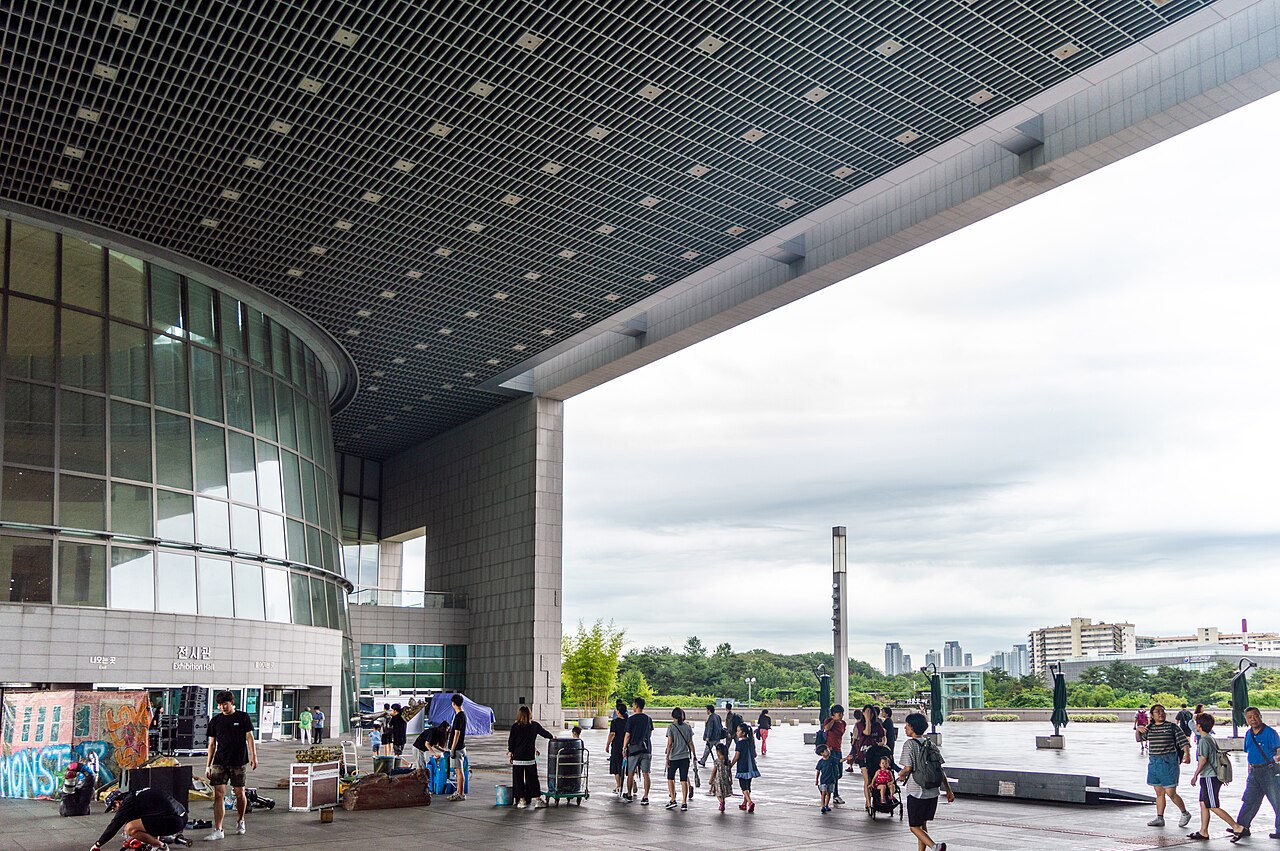
The best one for most families is the Children’s Museum at the National Museum of Korea in Yongsan. It is free, hands-on and designed for young children, with activities about Korean history, craft and everyday life in the past. Entry works by timed sessions, and the museum’s official English page says an online reservation is required, so book before you go rather than turning up on the day. The main museum is free as well, and its big halls and gardens are good for a short stroll after the children’s session. The nearest station is Ichon on Line 4 and the Gyeongui-Jungang Line.
Two other museums work well with children:
- National Folk Museum of Korea, inside the Gyeongbokgung Palace grounds, has its own Children’s Museum. It pairs naturally with a palace morning.
- National Science Museum branches and science centers are popular with school-age children on rainy days. The large Gwacheon National Science Museum is next to Seoul Grand Park, so the two can be combined.
Most Korean museums close on some public holidays, including Seollal (Lunar New Year) and Chuseok, so check dates if you travel at those times. For grown-up picks such as Leeum, MMCA and the War Memorial, see our guide to the best museums in Seoul.
Lotte World or Everland: Which Theme Park Suits Your Family?
Choose Lotte World if your children are younger or you want an easy day, and Everland if they are older and want big rides and animals. Most families only have time for one.
| Lotte World | Everland | |
|---|---|---|
| Where | Jamsil, inside Seoul, on subway Lines 2 and 8 | Yongin, about an hour outside Seoul by bus |
| Weather | Mostly indoors under a glass dome | Outdoors, best in mild weather |
| Best for | Toddlers to pre-teens, rainy or cold days | Older kids, teens, thrill rides, safari |
| Time needed | Half a day to a full day | A full day including travel |
For Lotte World, our Lotte World Seoul guide covers tickets and the best rides by age, and the new Kong x Godzilla ride at Lotte World is one for older children. Buying online in advance is usually cheaper than the gate, so check discounted Lotte World day passes🎟️ a day or two before you go.
For Everland, our Everland day trip guide explains the shuttle buses and the safari. It is worth comparing Everland tickets with shuttle transfers🎟️, which save a lot of hassle with tired children at the end of the day.
Seoul Grand Park: the bigger zoo
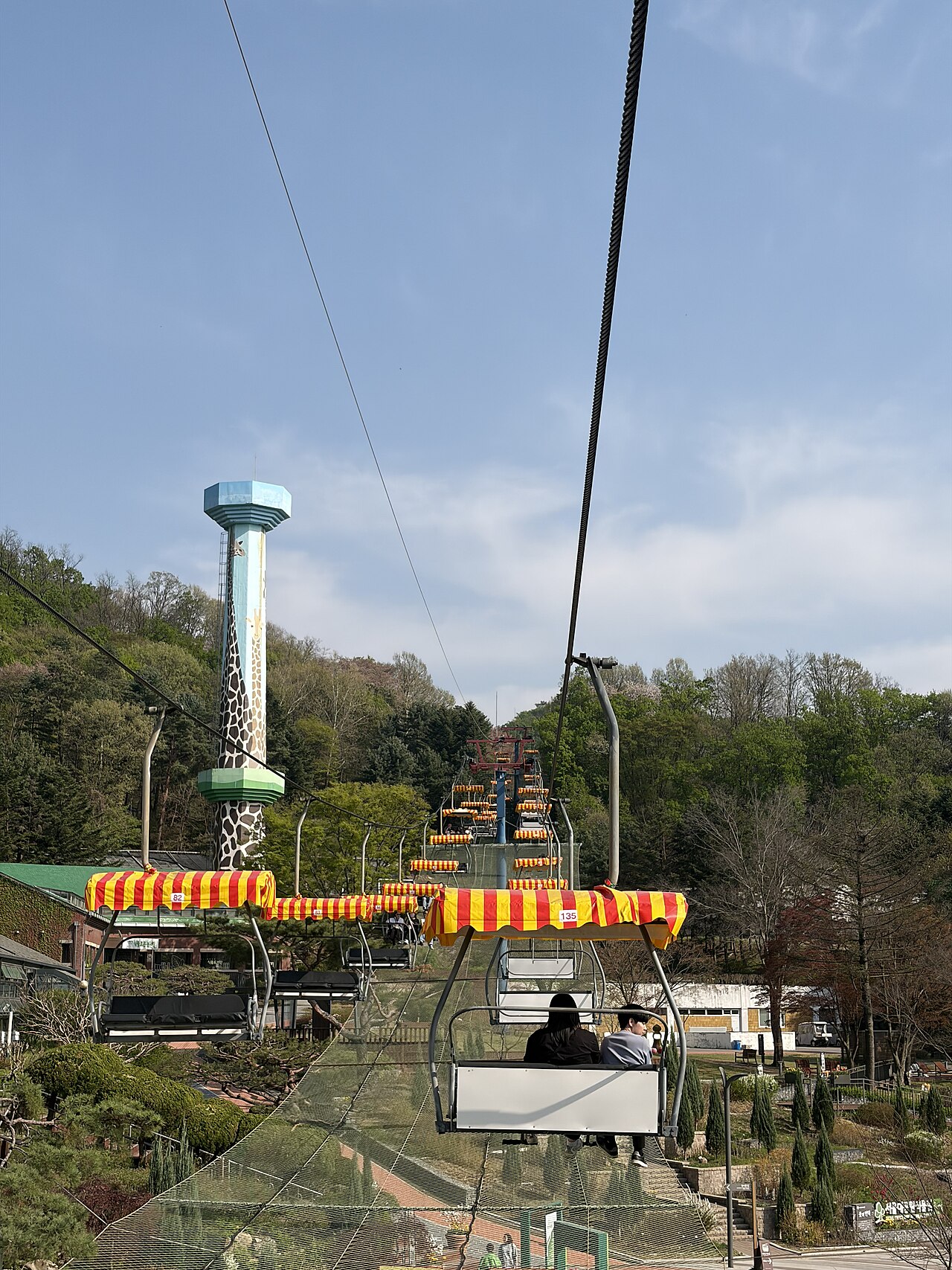
Animal-loving families should also know about Seoul Grand Park in Gwacheon, just south of the city on Line 4. It holds Korea’s largest zoo, a rose garden and wide wooded grounds. According to the official Seoul Grand Park site, children under 5 get in free, and the zoo opens at 9:00, closing at 17:00 in winter and later in the warmer months. It is a cheap, easy full day out, and you will be one of very few foreign families there.
What Can Families Do on a Rainy or Freezing Day?
Head indoors to one of Seoul’s giant underground malls, which are built to keep whole families busy. The best options are:
- Aquariums. Lotte World Aquarium under Lotte World Mall and COEX Aquarium in Samseong-dong both take one to two hours. A combined theme park and aquarium ticket🎟️ is good value if you are already going to Lotte World.
- KidZania Seoul. In Lotte World Mall in Jamsil, this role-play city lets children try dozens of jobs, from firefighter to pilot. Sessions are long, so it suits children who are happy to be busy for several hours.
- Kids cafes. Korean “kids cafes” (키즈카페) are indoor play centers with slides, ball pits and a coffee counter for parents. You pay by the hour per child. Many do not allow outside food, so eat first.
- Jjimjilbang. Korean bathhouses welcome families, and older children usually love the heated rooms, snacks and sleeping mats. Our jjimjilbang guide explains the etiquette.
In winter, the cable car up to N Seoul Tower on Namsan is another short, warm outing with a big view at the end.
How Do You Get Around Seoul with a Stroller?
The subway is the best way to get around Seoul with kids, and a light, folding stroller is the right tool. Most stations have elevators from street to platform, but the elevator is often at just one exit, which can mean a walk. Navigation apps such as Naver Map and KakaoMap show elevator exits, and our getting around Seoul guide explains the apps and the T-money card.
Fares are kind to families. Children under 6 ride the subway free with an adult, and children aged 6 to 12 pay a reduced fare, which rose to ₩550 on a transit card in June 2025 (The Korea Times, 2025). The child rate applies only to a card registered as a child card, so if you skip that step, the card simply charges the adult fare.
A few practical points:
- Avoid rush hour. Between about 8:00 and 9:00 and again from 18:00 to 19:00, trains are too packed for a stroller.
- Taxis do not supply child seats. If your children need one, bring a light travel seat or book a family van in advance.
- Nursing rooms (수유실, suyusil) are common in department stores, malls and big museums, but only some subway stations have one. Plan feeds around malls rather than stations.
- From the airport, the airport limousine buses are easier with luggage and children than the train. Our Incheon Airport to Seoul guide compares the options.
What Will Kids Eat in Seoul?
More than you might fear. Korean food is not all spicy, and several everyday dishes are child favorites:
- Korean barbecue, where the meat is grilled at your table and children can eat it plain with rice. See our Korean BBQ guide.
- Gimbap (rice rolls), mandu (dumplings) and tteokgalbi (sweet grilled patties) are mild and easy to share.
- Fried chicken, ordered “original” rather than with spicy sauce.
- Hotteok and other Seoul street food snacks make good afternoon treats.
Convenience stores are a lifesaver for picky eaters, with milk, yogurt, bananas, sandwiches and triangle kimbap at any hour. Our Korean convenience store guide lists what to pick up. Food courts in department store basements are also easy, because everyone can choose something different and high chairs are usually available.
Where Should Families Stay in Seoul?
Families do best in a quieter area on a direct subway line rather than in nightlife districts. Three bases work especially well:
- Jamsil puts Lotte World, the aquarium, KidZania and Seokchon Lake on your doorstep. Lotte Hotel World is joined to the theme park building, so you can stay right next to the park entrance🏨 and return to the room for a nap. The lakeside Sofitel Ambassador offers serviced residences with more space if you want to book a lake-view family suite🏨. Our Jamsil guide covers the area.
- Myeongdong and City Hall are central, flat and close to the palaces and Namsan, with many hotels offering family rooms.
- Yongsan is handy for the National Museum of Korea and the Han River, and has good connections to the airport.
Larger families often find hotel rooms small in Seoul. If you need a kitchen and separate bedrooms, it is worth looking at apartment rentals with room for the whole family🏠🏨. Our where to stay in Seoul guide compares every main neighborhood.
A Sample 4-Day Family Plan
This plan keeps one main activity in the morning and a lighter one in the afternoon, with travel times short.
- Day 1: Palaces and hanbok. Rent hanbok near Gyeongbokgung, see the guard ceremony, then visit the Children’s Museum at the National Folk Museum inside the palace grounds. Early dinner and bed.
- Day 2: Theme park day. Lotte World from opening, with a rest at the hotel if you stay in Jamsil, then an evening walk around Seokchon Lake.
- Day 3: Museum and river. Morning session at the Children’s Museum of the National Museum of Korea, lunch, then a Han River park in the afternoon and the Banpo fountain show in season.
- Day 4: Parks and animals. Seoul Children’s Grand Park or Seoul Grand Park, then Seoul Forest’s deer and a cafe in Seongsu if energy allows.
With more time, add Everland or a day trip from our day trips from Seoul list. For an adult-paced version of the city, our 4-day Seoul itinerary is a useful comparison.
Plan Your Trip
Seoul rewards families who slow down. Book the Children’s Museum session and any theme park tickets in advance, keep the free parks for flexible days, and base yourself on a subway line with elevators. For official visitor information, including family attractions and seasonal events, the Korea Tourism Organization’s VisitKorea site is the best starting point.
Family fares add up quickly, so it pays to compare flights to Seoul for the whole family✈️ across several dates before you book. Our Seoul travel guide covers everything else you need for a first visit.
Disclosure: This post contains affiliate links. If you book through these links, I may earn a small commission at no extra cost to you. I only recommend services I’d use myself.