Last updated: September 2026
Quick answer: Korea’s fall Royal Culture Festival (궁중문화축전) runs October 7–11, 2026, spread across all five of Seoul’s Joseon-dynasty palaces — Gyeongbokgung, Changdeokgung, Deoksugung, Changgyeonggung, and Gyeonghuigung — plus the royal ancestral shrine, Jongmyo. This is the second of the festival’s two annual runs (the spring 2026 edition drew a record 725,000 visitors), built around roughly 17 programs under the theme “Joseon Spatial Aesthetics”, including a Kyujanggak Academy lecture series and an online participatory art project called “Everyone’s Pungsokdo 2026.” Most programming is free; a few premium experiences run on separate paid tickets.
Table of Contents
- What Is the Royal Culture Festival?
- Which Palaces Are Involved?
- What’s on the Program?
- Is It Free?
- How Do I Get There?
- Plan Your Trip
What Is the Royal Culture Festival?
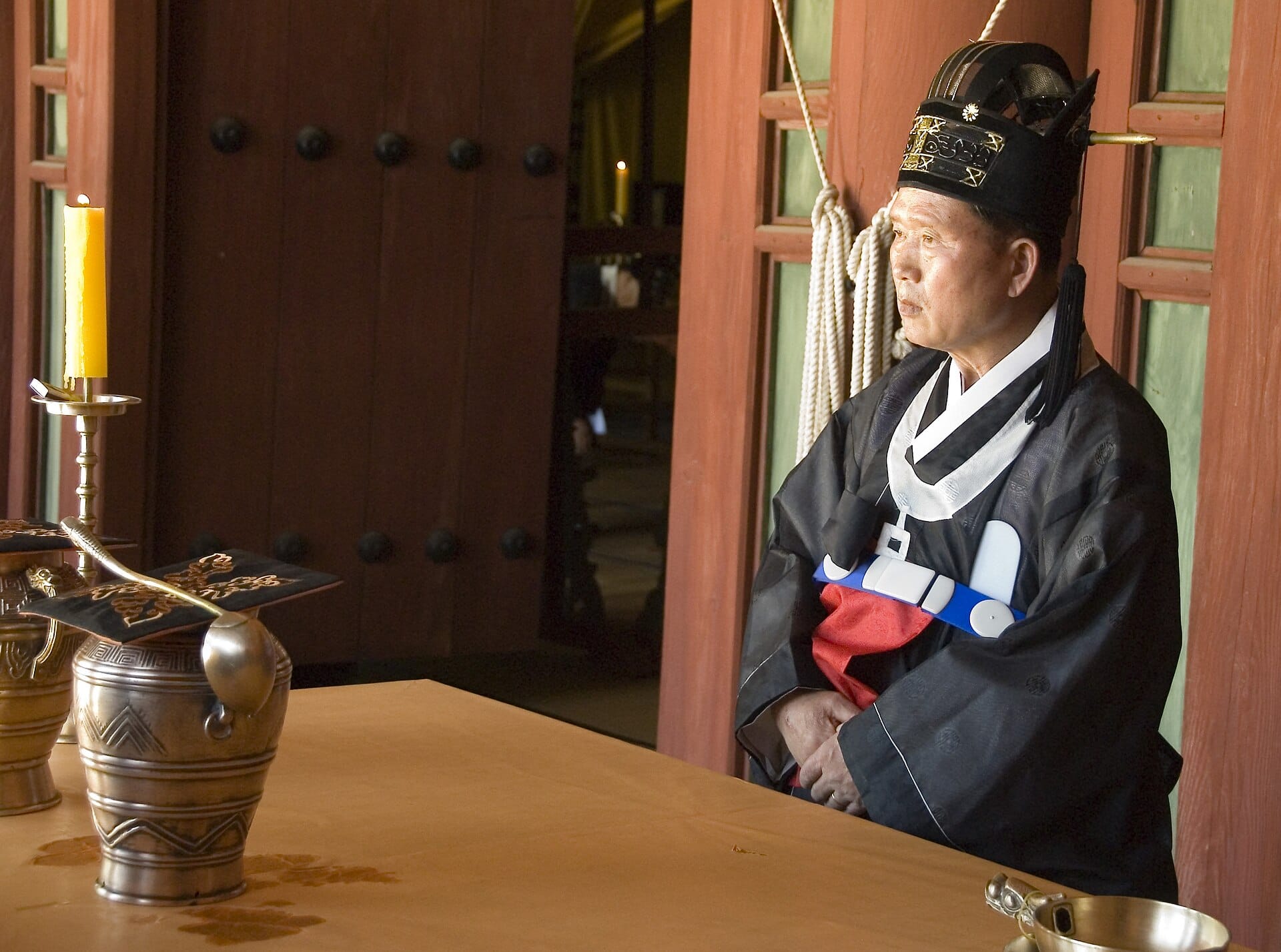
The Royal Culture Festival is Korea’s largest showcase of Joseon-dynasty royal heritage, run twice a year — once in spring and once in fall — across Seoul’s surviving palace complexes and the Jongmyo royal shrine. According to the festival’s official site, the 2026 fall edition runs October 7 through October 11. It’s organized around a yearly theme, and this fall’s is “Joseon Spatial Aesthetics” — a focus on how the palace layouts, gardens, and ceremonial halls were designed to express royal authority and Confucian order. The spring 2026 edition set a festival attendance record of roughly 725,000 visitors across its run, a sign of how far the event has grown from a niche heritage program into one of Seoul’s bigger seasonal draws, per coverage of the fall lineup announcement.
Which Palaces Are Involved?
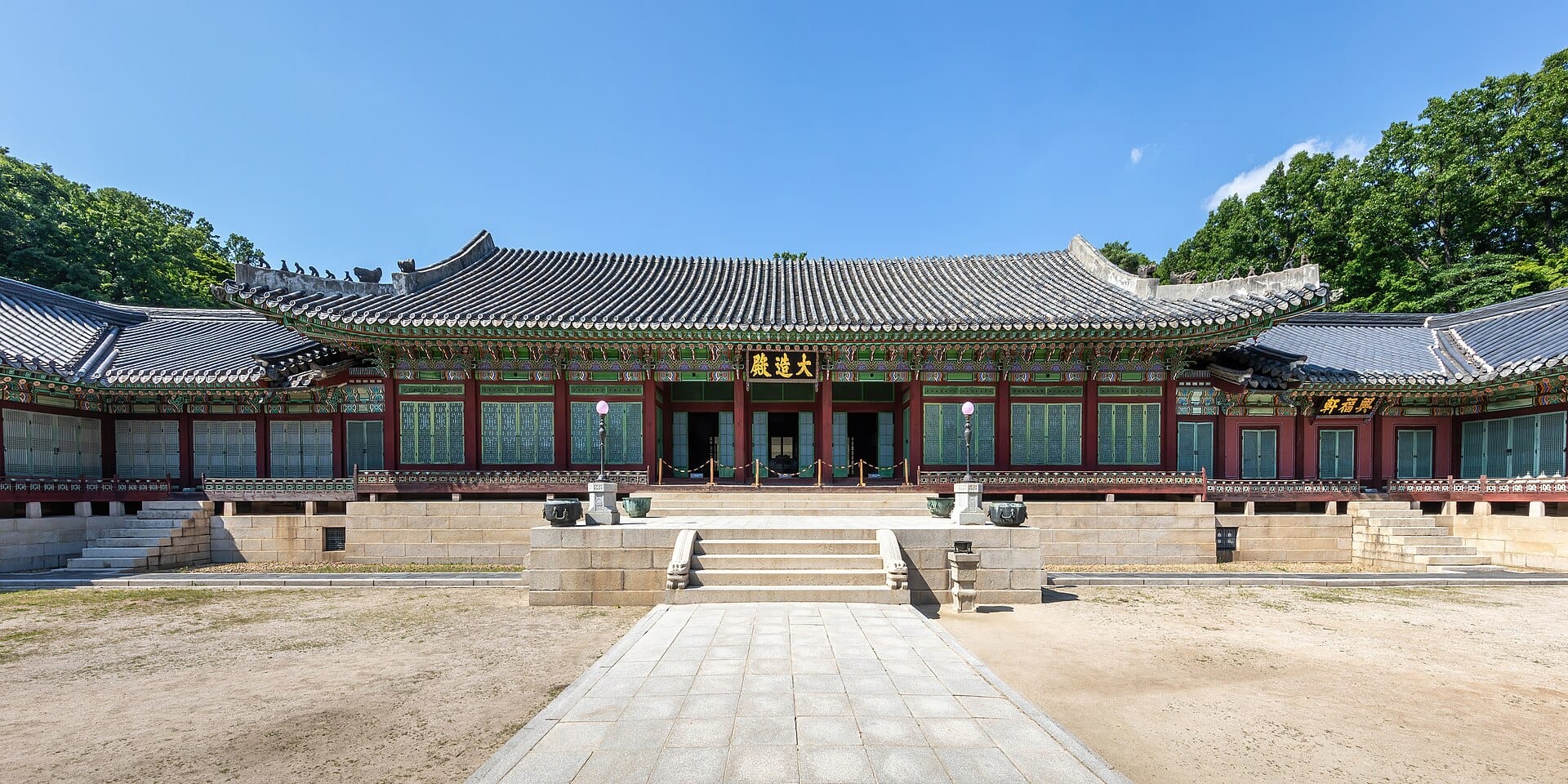
All six of Seoul’s major royal heritage sites take part: Gyeongbokgung, the grandest and most-visited of the five palaces; Changdeokgung, a UNESCO World Heritage site famous for its Secret Garden; Deoksugung, the smaller palace downtown known for its mix of traditional and Western-style buildings; Changgyeonggung, a quieter palace with extensive gardens; Gyeonghuigung, the least-visited and most low-key of the five; and Jongmyo, the Confucian shrine where Joseon kings and queens were memorialized and the site of the UNESCO-listed Jongmyo Jeryeak ancestral rite (the ceremonial music and dance shown above). Spreading programming across six sites instead of concentrating it at one means you can build a multi-palace day, or pick just the one or two sites closest to where you’re staying.
What’s on the Program?
The fall 2026 lineup runs to roughly 17 programs under the “Joseon Spatial Aesthetics” theme. Two are worth flagging for international visitors: a Kyujanggak Academy lecture series — named after the Joseon-era royal library — that walks through the history and design logic behind the palace complexes, and “Everyone’s Pungsokdo 2026,” an online participatory project inviting the public to contribute to a modern take on pungsokdo, the traditional genre paintings that depicted everyday Joseon-era life. Beyond those, expect the festival’s usual mix of court music and dance performances, costumed re-enactments, and after-dark palace openings layered on top of each site’s regular daytime hours — check the official festival page closer to the dates for the confirmed daily schedule at each palace, since exact program times are typically finalized in the weeks before opening.
Is the Royal Culture Festival Free?
Most of it, yes. The festival’s outdoor performances, exhibitions, and many of the special programs are free to attend, and several run inside palaces you can enter at their standard admission price (Gyeongbokgung tickets run about ₩3,000, with free entry for anyone wearing hanbok). A handful of premium or limited-capacity experiences — workshops, ticketed performances, or small-group programs — run on separate paid registration, typically announced through the official site as the dates approach. If you’re not sure whether a specific program needs a separate ticket, the safest plan is to check the official listing for that program directly rather than assume it’s covered by general palace admission.
How Do I Get There?
All six sites sit within central Seoul and are easy to reach by subway. Gyeongbokgung and Jongmyo are both close to Gwanghwamun and Jongno, Changdeokgung and Changgyeonggung sit next to each other near Anguk Station, and Deoksugung and Gyeonghuigung are a short walk from City Hall Station. Because the sites cluster in two main pockets — the Gwanghwamun/Bukchon area and the City Hall/Jongno area — it’s realistic to cover two or three palaces in a single day on foot or with one or two subway hops. Our guide to getting around Seoul covers the T-money card and subway basics if this is your first visit, and the Bukchon and Insadong guide covers the historic lanes connecting Gyeongbokgung and Changdeokgung, which are worth the walk between festival stops.
Plan Your Trip
If you already have a fall Seoul trip planned, October 7–11 is worth building a day or two around — pair it with the palaces themselves via our Gyeongbokgung guide, and if you’re specifically chasing Gyeongbokgung’s evening programming, see our separate coverage of its fall night viewing season, which runs on an overlapping but separate schedule. Traveling from further afield in Korea this same season? Gyeongju, the old Silla capital, runs its own royal-heritage festival the same week — worth comparing if palaces and traditional culture are the theme of your whole trip.