
Last Updated: June 2026
Quick answer: Cafe culture in Seoul is huge — the city has some of the world’s highest cafe density, from warehouse roasteries in Seongsu to themed animal and dessert cafés. A coffee runs about ₩4,500–6,000, lingering is encouraged, and the best scenes are in Seongsu, Ikseon-dong, and Hongdae.
Cafe culture in Seoul is a phenomenon all its own. This is a city with more cafes per square mile than almost anywhere on earth, where coffee shops aren’t just for caffeine but are destinations in themselves — design-led roasteries in converted factories, multi-floor flagship cafes, animal and board-game cafes, dessert specialists, and hidden gems down quiet alleys. Seoulites treat cafes as living rooms, workspaces, and meeting points, and for visitors, cafe-hopping is one of the most enjoyable, low-effort ways to feel the city’s creative pulse. You could plan a whole day around it and not run out.
This guide covers why Seoul is so coffee-obsessed, the best neighborhoods for cafes, the wild world of themed and concept cafes, and what to order.
Table of Contents
- Why Is Cafe Culture in Seoul So Big?
- Best Neighborhoods for Cafes
- Themed & Concept Cafes
- What to Order
- Are Cafes in Seoul Expensive?
- Cafe Etiquette & Tips
- Cafes for Working & Relaxing
- Practical Tips
- Plan Your Trip
Why Is Cafe Culture in Seoul So Big?
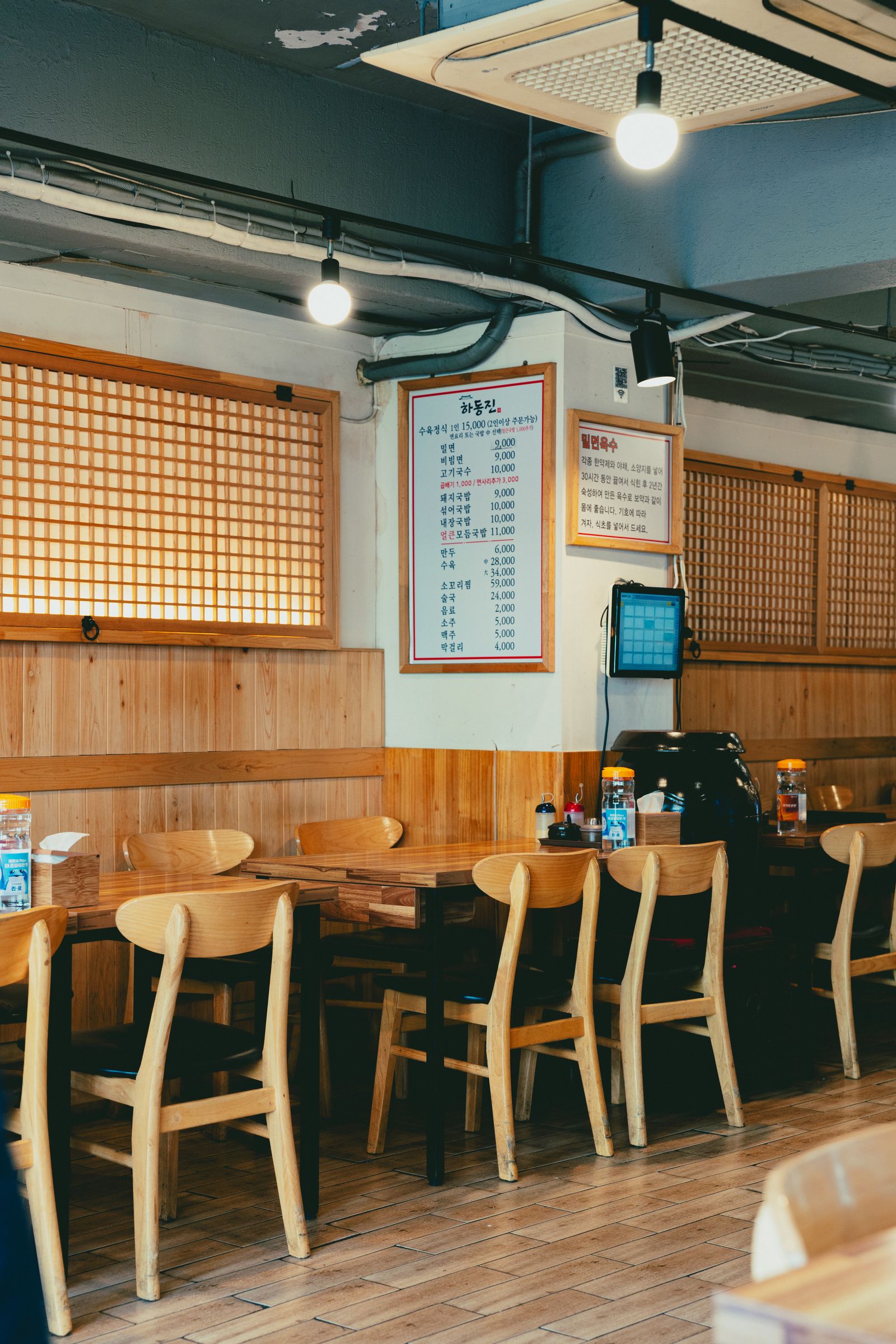
Cafe culture in Seoul exploded for a mix of reasons: small apartments that send socializing outdoors, a hard-working, late-night society that needs comfortable third spaces, and a design-obsessed creative scene that turned coffee shops into showcases. The result is a city where a cafe is rarely just a cafe — it’s an aesthetic statement, a date spot, a study hall, and an Instagram backdrop rolled into one. Competition is fierce, so the bar for design, drinks, and desserts is extraordinarily high. For travelers, that means even a random neighborhood cafe is likely to be beautiful, comfortable, and serving genuinely excellent coffee.
Best Neighborhoods for Cafes
Different areas do cafes differently:
- Seongsu-dong — the headline scene, with big roasteries and design cafes in old brick factories; see our Seongsu-dong guide.
- Ikseon-dong — renovated hanok alleys full of charming, photogenic cafes.
- Hongdae & Yeonnam-dong — young, quirky, and themed, from cat cafes to dessert spots.
- Bukchon & Insadong — traditional tea houses and hanok cafes with a view.
- Gangnam & Garosu-gil — sleek, upscale flagship cafes and brand spaces.
Themed & Concept Cafes
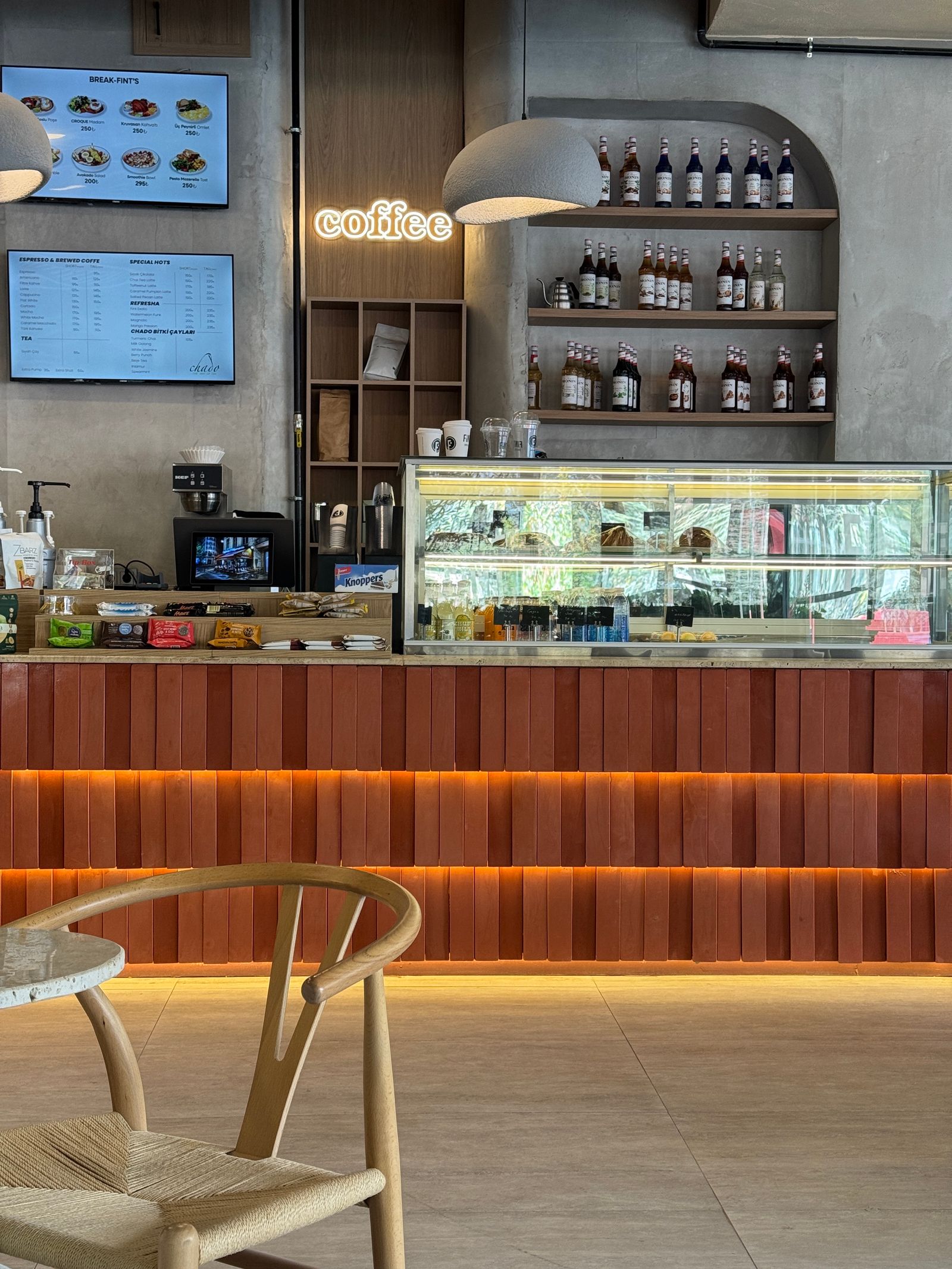
Seoul takes the themed cafe to wild extremes, and trying one is part of the fun. There are animal cafes (cats, dogs, even sheep or meerkats), board-game and comic cafes where you rent a table for hours, character cafes tied to K-pop groups or cartoon brands, and elaborate dessert cafes built around a single showstopper like towering bingsu (shaved ice). Pop-up cafes tied to new product launches appear constantly, especially in Seongsu. They’re as much an attraction as a coffee stop — pick one that matches your interests and treat it as a mini-experience rather than just a drink.
What to Order
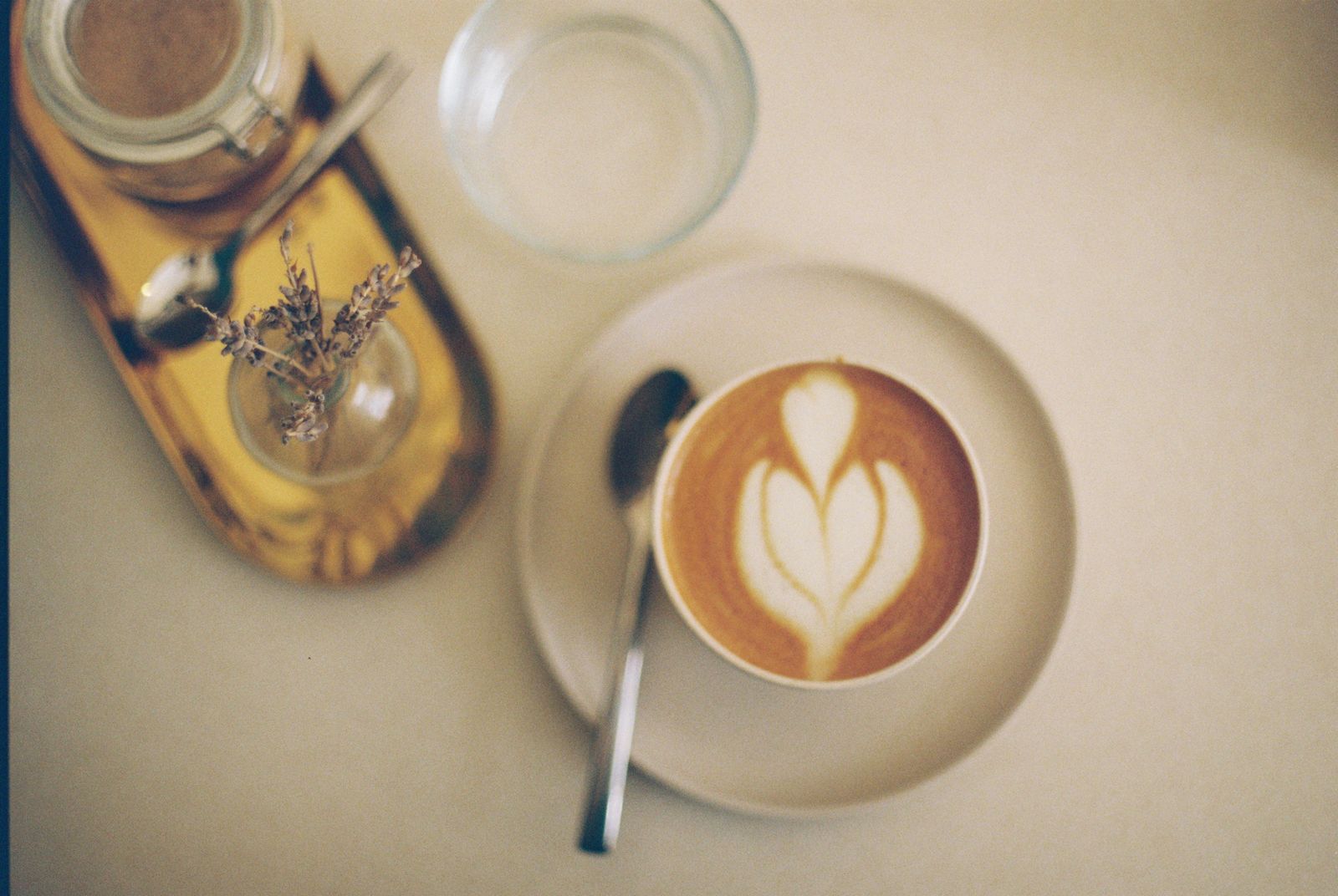
Korean cafes do excellent espresso-based drinks, but a few local orders stand out. The Americano is the national default — Koreans drink it year-round, iced even in winter. Sweet, milky cafe lattes and seasonal specials are everywhere, and for something distinctly Korean, try a dalgona (whipped-coffee) drink or a misugaru (multigrain) latte. On the dessert side, bingsu — a mountain of fine shaved ice topped with red bean, fruit, or matcha — is a must in warmer months, while cafes also turn out beautiful cakes, croffles, and pastries. When in doubt, order the house signature drink and whatever dessert is in the window.
Are Cafes in Seoul Expensive?
Cafes in Seoul are mid-priced by global standards and worth it for what you get. A regular coffee runs roughly ₩4,500–6,000, similar to a Western city, while the showpiece desserts — a big bingsu to share, an elaborate cake — can be ₩10,000 or more, priced like the experiences they are. The value isn’t in cheapness but in the setting: for the price of a drink you get hours in a beautifully designed space with fast Wi-Fi and no pressure to leave. Big-name flagship and concept cafes charge a premium for the spectacle, while a neighborhood spot off the main drag serves the same excellent coffee for less.
Cafe Etiquette & Tips
Cafe customs here are easy. You order and pay at the counter, take a buzzer or your drinks to a table, and bus your own dishes to the return station when you leave. Lingering is encouraged — it’s normal to nurse one drink for an hour or two — though the busiest, most photogenic cafes may ask for one order per person at peak times. Many cafes are cashless and tap-friendly, and free Wi-Fi is standard. Tipping isn’t a thing. Beyond that, just relax into it: the whole point of a Seoul cafe is to settle in and stay a while.
Cafes for Working & Relaxing
Seoul’s cafes are tailor-made for solo time. Plenty are set up for laptops, with power outlets, fast Wi-Fi, and a quiet, study-friendly atmosphere — there’s even a name for the cafe-as-office crowd. They’re also a perfect rest stop on a sightseeing day: somewhere warm in winter, cool in summer, and always comfortable to recharge between sights. Whether you want to people-watch over a slow coffee, get a couple of hours of work done, or escape the weather, a Seoul cafe delivers, and our guide to solo travel in Seoul leans on exactly this.
Practical Tips
- Go beyond the chains. The independent and design cafes are where Seoul shines.
- Visit Seongsu for the best scene. The converted-warehouse cafes are a destination in themselves.
- Try bingsu in summer. The shaved-ice desserts are a seasonal highlight.
- Use cafes as rest stops. They’re the ideal warm-up or cool-down between sights.
- Expect to pay a bit more. Specialty cafes price like the experiences they are.
Plan Your Trip
Start by booking your flights to Seoul✈️. Once your dates are set, here’s how to plan the rest.
Base yourself near the cafes. Trendy neighborhoods make the best bases — see our guide to where to stay in Seoul and our Seongsu-dong guide.
Fit it into your days. Weave cafe-hopping into our 4-day Seoul itinerary, or book a cafe or dessert experience🎫 to go deeper.
Disclosure: This post contains affiliate links. If you book through these links, I may earn a small commission at no extra cost to you. I only recommend services I’d use myself.