Last updated: September 2026
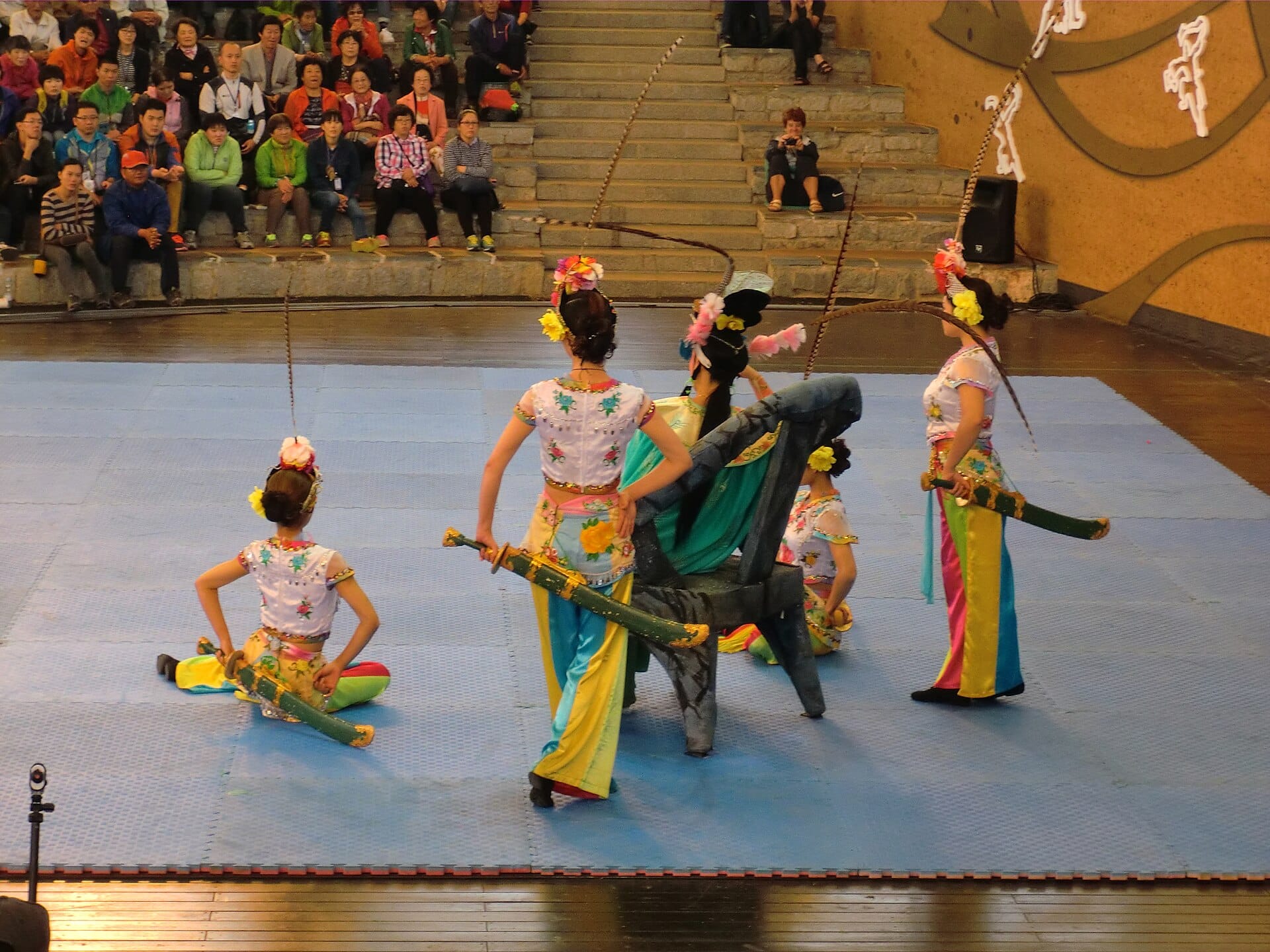
Quick answer: The Andong International Mask Dance Festival runs September 24 – October 4, 2026, centered on Mask Dance Park and the old downtown of Andong, North Gyeongsang Province. It’s one of Korea’s biggest folk-culture festivals — 28 performance teams from 24 countries dancing in masks that carry Korea’s UNESCO-listed intangible cultural heritage, plus street parades, workshops, and a world mask competition. General entry is free.
Table of Contents
- What Is the Andong Mask Dance Festival?
- When Is It in 2026?
- What Happens at the Festival?
- Is It Free?
- How Do I Get There From Seoul?
- Where Should I Stay?
- Plan Your Trip
What Is the Andong Mask Dance Festival?
The Andong International Mask Dance Festival (안동국제탈춤페스티벌) is one of Korea’s most prominent international cultural events, built around Andong’s own Hahoe byeolsingut talnori mask dance tradition — part of Korea’s mask dance dramas inscribed on UNESCO’s Intangible Cultural Heritage of Humanity list, according to the Korea Tourism Organization’s official festival page. 2026 marks the festival’s 30th edition, staged under the theme “Memory of the Mask, Everyone’s Dance.” Unlike Gyeongju’s Silla Cultural Festival, which reenacts royal-era history about 1.5 hours south, Andong’s festival is a living folk tradition — masked dancers from Korea and abroad performing side by side rather than historical reenactment.
When Is It in 2026?
The 2026 festival runs Thursday, September 24 through Sunday, October 4 — an 11-day run, per the official Korea Tourism Organization listing. Performance hours are 10:00 to 22:00 daily across the festival period, so there’s flexibility to catch a show whether you’re passing through in daylight or staying for the evening lineup.
What Happens at the Festival?
The lineup centers on mask dance performances from Korean troupes alongside international companies — 28 teams from 24 countries are confirmed for 2026 — staged at Mask Dance Park, Jungang Line 1942 Andong Station, and the surrounding old downtown. Beyond the main stage shows, expect a World Mask Play Competition, street parades and community celebrations (Tallori Daedongnanjang), mask-making workshops and dance instruction sessions open to visitors, and creative mask and drawing contests. It’s a hands-on festival as much as a spectator one — many of the workshop activities let visitors try on or make a mask rather than just watch from the crowd.
Is the Andong Mask Dance Festival Free?
Yes, general admission is free, though specific performances, competitions, and workshops may carry their own fees. That mirrors how most of Korea’s major outdoor festivals are run — walk the grounds and catch the street performances at no cost, then pay only for the ticketed extras that interest you.
How Do I Get There From Seoul?
The most direct route is the KTX-Eum train from Cheongnyangni Station in Seoul, a roughly two-hour ride straight into Andong Station with no transfers. It’s worth booking a high-speed rail ticket🚄 ahead of a festival weekend, since seats on the popular afternoon departures sell out fastest. If you’d rather not manage the trains and transfers yourself, a guided day tour that bundles Andong and Hahoe Village🎫 handles the logistics for you. For getting around once you’re off the train, our guide to getting around Seoul covers the Seoul-side transit basics for reaching Cheongnyangni Station in the first place.
Where Should I Stay?
Andong’s old downtown puts you within walking distance of Mask Dance Park and the festival’s main stages, so staying centrally means you can drop back to your room between performances instead of factoring in a taxi ride each way. It’s worth comparing stays in Andong🏨 for your festival dates specifically, since the 30th-anniversary edition is likely to draw bigger crowds than a typical year.
Plan Your Trip
September 24 to October 4 is a wide enough window to fit around most Korea itineraries — pair it with a stop in nearby Gyeongju, where the UNESCO tomb parks and temples make an easy add-on to an Andong festival trip, or check our Gyeongju travel guide for how the two cities connect. If your dates land closer to early October, Gyeongju’s own Silla Cultural Festival (October 9–11) runs shortly after, so a longer North Gyeongsang loop covering both festivals is worth considering.
Disclosure: This post contains affiliate links. If you book through these links, I may earn a small commission at no extra cost to you. I only recommend services I’d use myself.