
Last updated: November 24, 2026
Quick answer: The official Korea winter weather forecast is in: the Korea Meteorological Administration (KMA) expects this winter to be slightly milder and wetter than usual. Its three-month outlook, published on November 23, 2026, gives December and February a 50% chance of above-average temperatures and puts January evenly between “near average” and “above average”. Precipitation is expected to be above normal in December and February and near normal in January. But the agency also warns that the Siberian high can still push brief, sharp cold snaps south, so “milder” does not mean “mild”. Pack for real cold.
Table of Contents
- What Does the KMA Winter Outlook Actually Say?
- What Will Each Month Be Like for Visitors?
- Will There Still Be Cold Snaps?
- Does a Wetter Winter Mean More Snow in Seoul?
- How Should You Plan and Pack?
What Does the KMA Winter Outlook Actually Say?
Every season the KMA issues a three-month outlook. It does not predict the weather on a particular day. Instead, it gives the probability that each month will be below, near or above the 30-year average. For this winter, the numbers released on November 23, as reported by Etoday’s coverage of the outlook and published on the KMA’s official weather site, are:
- December 2026: temperature below / near / above average = 10% / 40% / 50%. Precipitation mostly above normal.
- January 2027: temperature 20% / 40% / 40%. Precipitation near normal.
- February 2027: temperature 10% / 40% / 50%. Precipitation mostly above normal.
The main driver is El Niño, which the agency expects to peak around December. A warm Pacific tends to feed moister air toward Korea, which is why both “warmer” and “wetter” show up in the same forecast. The KMA’s October outlook had already pointed the same way for November and December, so this is a consistent signal rather than a sudden change.
What Will Each Month Be Like for Visitors?
Remember that “above average” is relative to a Korean winter, which is properly cold. Using the KMA’s 1991–2020 normals, Seoul’s January daytime high is only about 2°C, and nights well below freezing are routine. A month that runs a degree or two warmer than that is still a coat-and-gloves month.
December is the month most likely to feel gentle. Expect more grey, damp days than a typical December, and more of the precipitation in Seoul to fall as rain or sleet rather than settled snow. It is a good month for city sightseeing, Christmas markets and the Seoul Winter Festival, which runs into the new year.
January is the least certain month. With equal odds of near-average and above-average temperatures, and a 20% chance of a colder than usual month, plan for a normal Korean January: the coldest weeks of the year, dry air and wind off the continent. This is also peak time for the ice-fishing and snow festivals in Gangwon covered in our Korea winter festivals guide. Those festivals depend on thick river ice, so check each one’s own notice before you travel in a mild year.
February looks similar to December: likely a little warmer and wetter than usual. Seollal, the Lunar New Year holiday, falls on February 7 in 2027, and our Seollal 2027 guide explains which days to avoid for travel.
Will There Still Be Cold Snaps?
Yes, and this is the part of the forecast travellers should take most seriously. The KMA says the continental high-pressure system may expand temporarily, which brings sudden drops in temperature. In practice, a Korean cold wave can turn a 5°C afternoon into a −10°C morning within a day or two, with wind chill making it feel colder still. A warmer average for the month can hide several days like that.
The agency also flagged that the Seoul capital area and Gangwon could see meteorological drought conditions at points during the winter, because the extra moisture is not expected to be spread evenly. For visitors this mostly means very dry air on clear days. Bring lip balm and moisturiser, and expect static shocks.
Does a Wetter Winter Mean More Snow in Seoul?
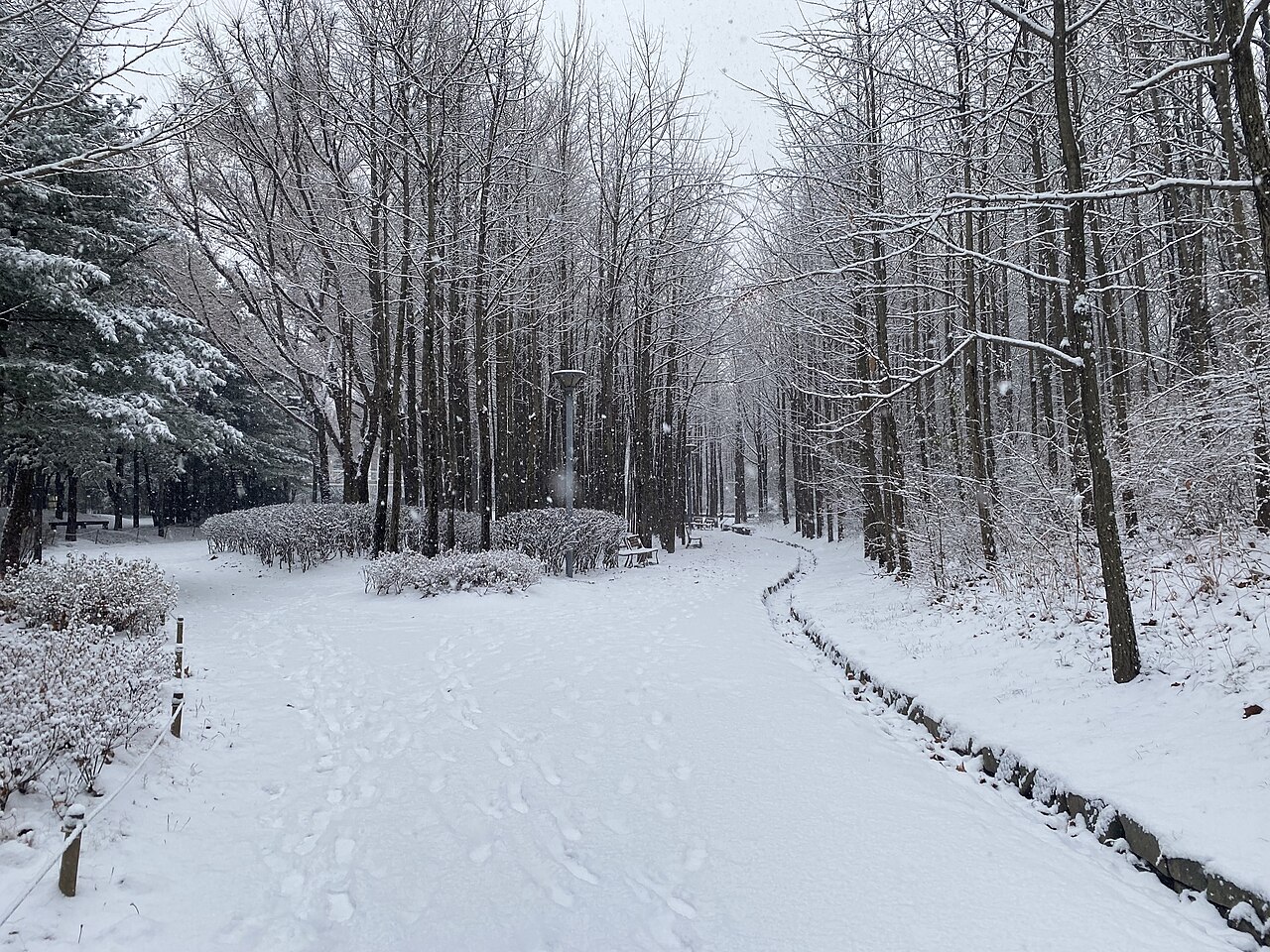
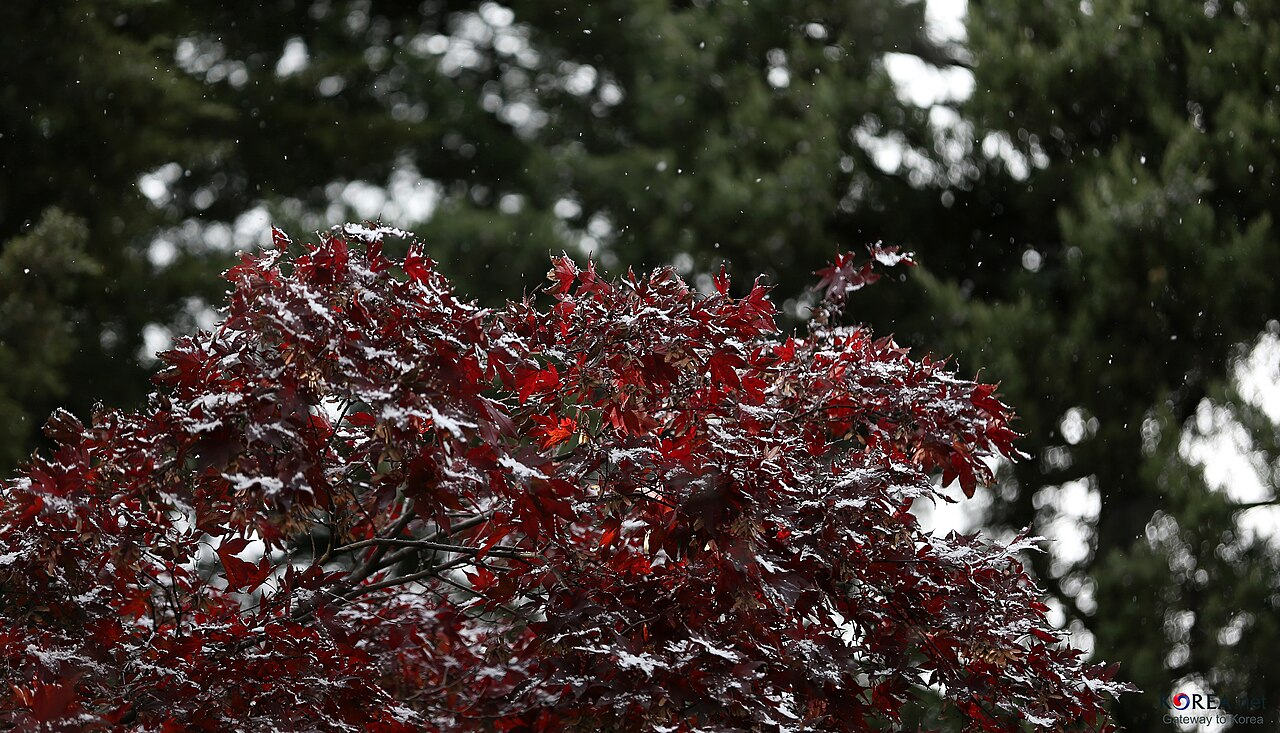
Not necessarily. Wetter and milder is a mixed signal for snow. In Seoul, more of the precipitation may fall as rain, and snow that does fall may melt by the afternoon. In normal years Seoul averages around six to seven snowy days a month from December to January, and many of those are only light flurries.
The mountains are a different story. When moist air meets cold air over the high ground of Gangwon, Deogyusan or Hallasan on Jeju, the result can be heavy snow. If seeing proper snow is the goal of your trip, our guide to where to see snow in Korea explains which places are most reliable. For skiers, the resorts make most of their snow artificially and need cold nights rather than heavy precipitation. A mild spell can slow down how fast new slopes open, so check the latest dates in our Korea ski season update and the ski resorts near Seoul guide.
How Should You Plan and Pack?
Treat the outlook as a reason to pack layers and a waterproof outer shell, not as a reason to pack lighter. A practical kit for December to February is a warm down or padded coat, thermal base layers, a hat, gloves and a scarf, and shoes that can handle slush. Korean convenience stores sell stick-on heat packs, which are worth carrying on cold-snap days.
On the upside, winter is low season, so this is still a good time to look for cheaper winter flights to Seoul ✈️, outside the Christmas and Lunar New Year peaks. On a raw, wet day, head indoors: a jjimjilbang spa is the classic Korean way to warm up. Our winter in Seoul guide has more cold-weather ideas.
Finally, remember that these are probabilities, not a forecast for your dates. The KMA updates its one-month outlook every week. Check the short-range forecast on the KMA weather site in the week before you fly, and keep an eye out for cold-wave advisories once you arrive.
Disclosure: This post contains affiliate links. If you book through these links, I may earn a small commission at no extra cost to you. I only recommend services I’d use myself.