Last updated: September 2026
Quick answer: Gyeongju’s 53rd Silla Cultural Festival runs October 9–11, 2026 (Friday–Sunday), centered on Woljeong Bridge and the old royal quarter downtown. It’s the city’s largest annual festival — a mix of Silla-era reenactments, court music and dance, and nighttime performances staged against the floodlit bridge and tomb park, and it’s free to attend.
Table of Contents
- What Is the Silla Cultural Festival?
- When Is It in 2026?
- What Happens at the Festival?
- Is It Free?
- How Do I Get There From Seoul or Busan?
- Where Should I Stay?
- Plan Your Trip
What Is the Silla Cultural Festival?
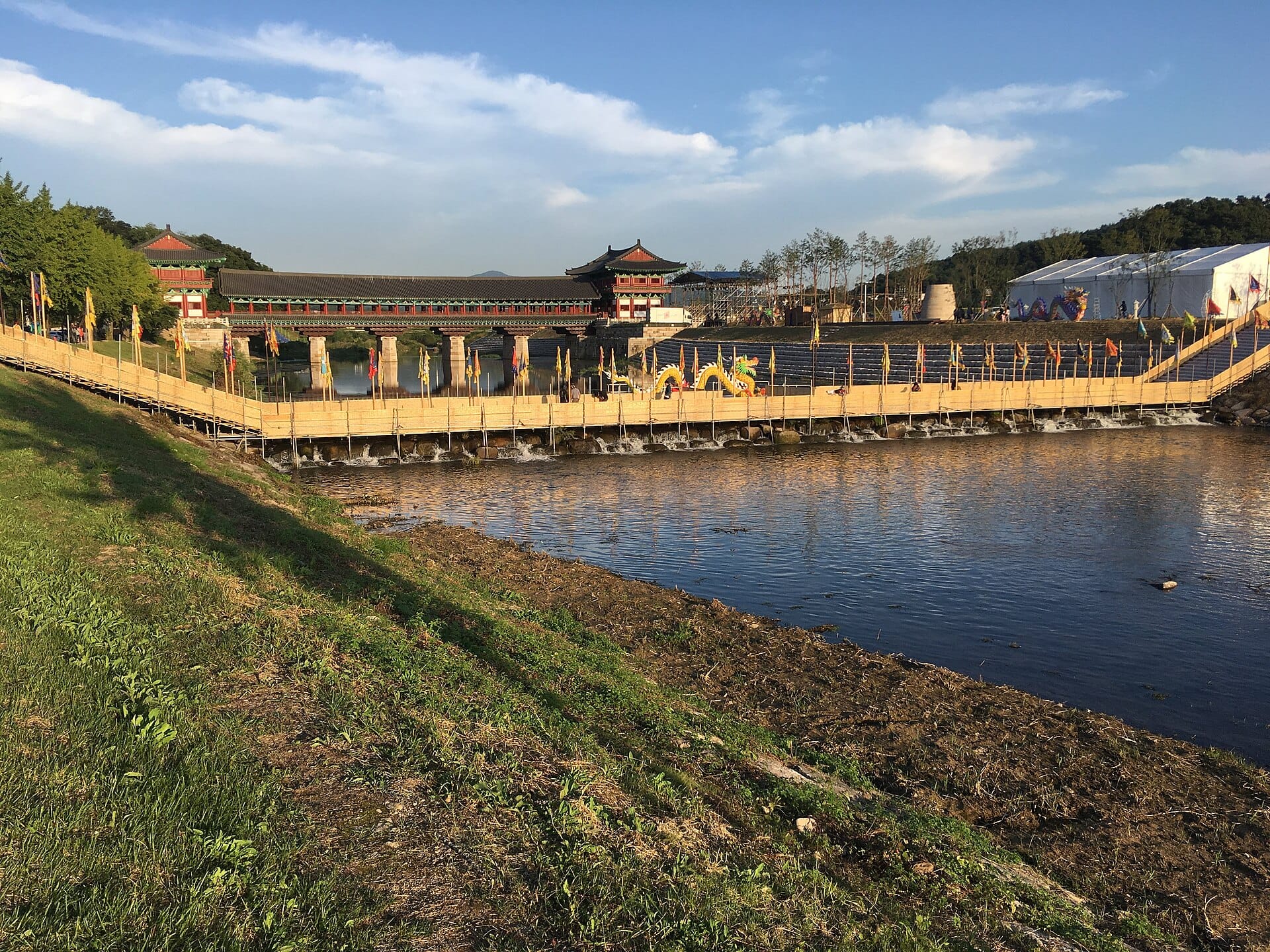
The Silla Cultural Festival (신라문화제) is Gyeongju’s oldest and largest annual festival, celebrating the city’s thousand years as capital of the Silla kingdom. According to the Gyeongju city government’s official festival site, 2026 marks the 53rd edition, staged across the historic core around Woljeong Bridge and Wolseong (the old Silla palace grounds) rather than at a single fixed venue. Unlike Seoul’s palace-focused Royal Culture Festival, which spotlights the later Joseon dynasty, this one is built entirely around Silla history — the kingdom that unified the Korean peninsula in the 7th century and left Gyeongju covered in royal tombs, temples, and ruins.
When Is It in 2026?
The 2026 festival runs Friday, October 9 through Sunday, October 11, per the official schedule page. That’s a three-day run, which is shorter than some past editions, so it’s worth planning around the specific dates rather than assuming a longer window. Evening programs tend to draw the largest crowds, since the floodlit bridge is at its best after dark.
What Happens at the Festival?
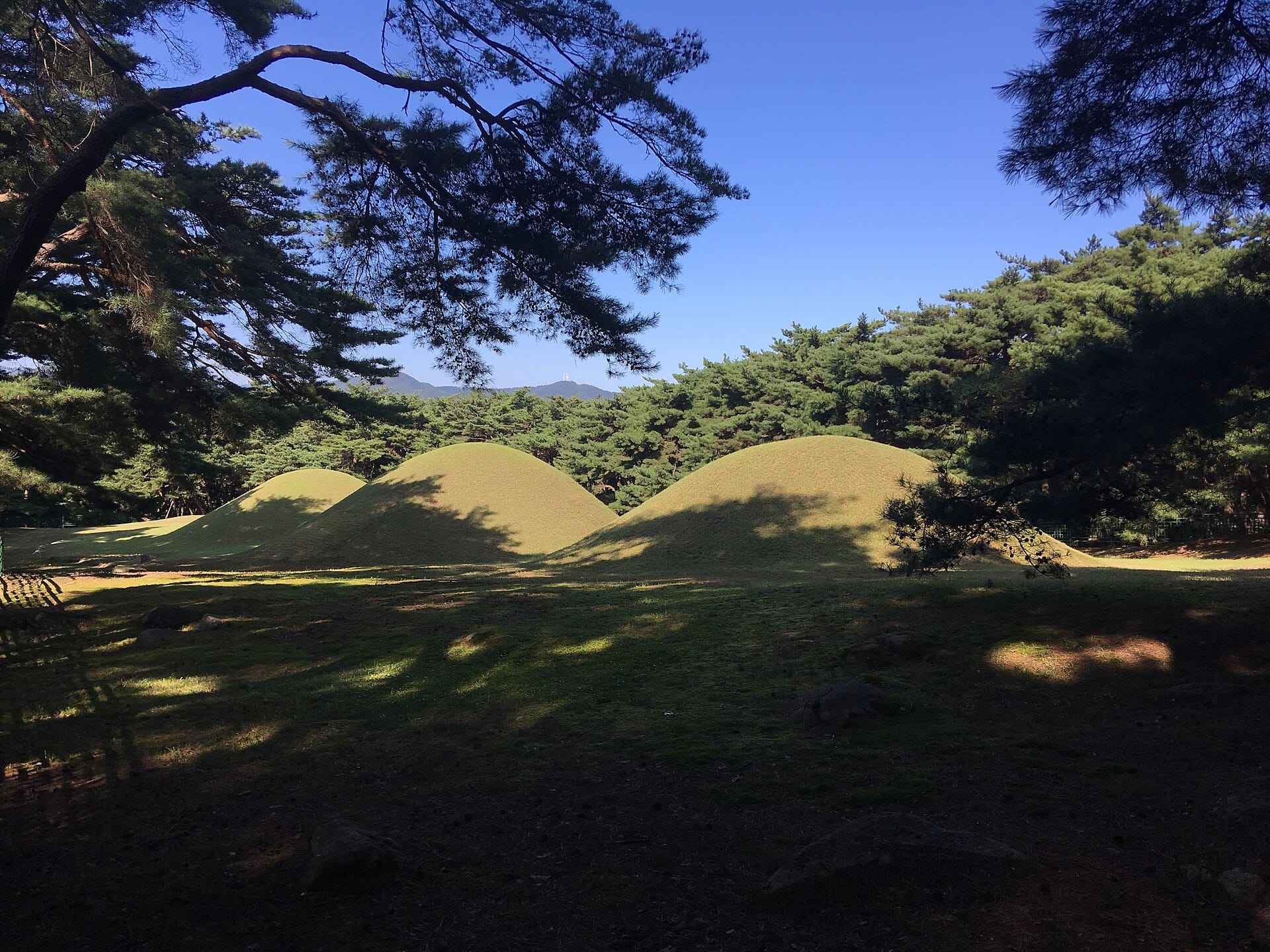
Expect a mix of costumed historical reenactments, traditional court music and dance performances, and folk-culture programs staged around Woljeong Bridge and the adjoining riverside parkland, where past editions have built temporary stages beside the bridge for nightly shows. Daytime hours typically bring smaller cultural experience booths and craft demonstrations, while grassy royal tombs like Bae-dong Samneung, pictured above, sit within easy walking distance of the festival grounds — a reminder that the whole downtown doubles as an open-air Silla history site even outside scheduled performance times. Program details for individual days are published closer to the festival on the official site linked above, since exact performance lineups and start times are usually finalized in the weeks beforehand.
Is the Silla Cultural Festival Free?
Yes. The festival’s outdoor performances and cultural programs are free and open to the public, in keeping with how Gyeongju runs its major city festivals. Woljeong Bridge and the surrounding tomb park and riverside areas are also free to walk through outside festival hours, so an October visit to Gyeongju works whether or not your dates line up exactly with the festival days.
How Do I Get There From Seoul or Busan?
The fastest way in is the KTX high-speed train to Singyeongju Station — about two hours from Seoul, or under an hour from Busan, with frequent departures through the day. From Singyeongju, a short bus or taxi ride covers the last 20–30 minutes into the historic center near Woljeong Bridge. Festival weekends draw extra visitors on top of the usual autumn crowds, so it’s worth booking a high-speed rail ticket🚄 ahead rather than showing up and hoping for space. Travelers flying in from overseas can also start by checking flights into Daegu✈️, the nearest major airport, before connecting on by KTX or bus. Our full Gyeongju travel guide covers the rest of the city’s sights and getting-around basics in more depth.
Where Should I Stay?
Since the festival centers on Woljeong Bridge and the old downtown, staying in or near Hwangnam-dong puts you within walking distance of the main venues and lets you catch the bridge lit up at night without a taxi ride back. It’s worth comparing stays across Gyeongju🏨 for your festival dates specifically, since rooms in the historic center tend to book out fastest for a headline weekend like this one. Our where-to-stay guide for Gyeongju breaks down the downtown hanok stays, the Bomun Lake resort area, and everything in between.
Plan Your Trip
October 9–11 is worth building a Gyeongju weekend around if your Korea trip dates allow it — pair the festival with the city’s UNESCO temples and tomb parks via our Gyeongju travel guide, and book Hwangnam-dong lodging early given the crowds a headline festival weekend brings. If your trip runs a little later in October instead, Seoul’s own Royal Culture Festival (October 7–11) covers similar royal-heritage ground across the capital’s palaces, so the two make an easy comparison if traditional Korean culture is the theme of your whole trip.
Disclosure: This post contains affiliate links. If you book through these links, I may earn a small commission at no extra cost to you. I only recommend services I’d use myself.