
Last updated: August 2026
Quick answer: South Korea overhauled its heat wave warning system for the first time in 18 years, effective June 1, 2026, adding a new top tier — the Severe Heat Wave Warning — that can trigger after just one day of extreme heat instead of two. It was first activated on July 12, 2026, and by late July the country saw its most extreme heat on record: Yangsan hit 40.3°C and Busan set an all-time high of 38.8°C, breaking a mark that had stood since 2016. If you’re traveling in Korea right now, treat any “severe” or “emergency” heat alert as a signal to shift plans indoors during the afternoon.
What Changed in Korea’s Heat Wave Warning System?
The Korea Meteorological Administration (KMA) replaced its old two-tier heat alert system with a three-tier one — its first revision in 18 years. Under the previous system, the highest alert required an apparent (feels-like) temperature above 35°C for two consecutive days before it could be issued. The new top tier, the Severe Heat Wave Warning, can be triggered by a single day of apparent temperatures at or above 38°C, or an actual air temperature of 39°C or higher — a much faster trigger designed to catch sudden, dangerous spikes rather than waiting for a two-day pattern to confirm.
The KMA also introduced a new tropical night advisory, issued when overnight low temperatures are expected to stay at 25°C or higher — 26°C in cities of 500,000+ people and coastal/island areas, and 27°C on Jeju Island. Combined, the two changes give travelers and residents a clearer, earlier signal for both scorching afternoons and sleepless, humid nights.
How Hot Has It Actually Gotten in 2026?
The new system saw its first real test almost immediately: Korea issued its inaugural Severe Heat Wave Warning on July 12, 2026, as apparent temperatures and heat indices reached what authorities called life-threatening levels. Late July then brought the most extreme readings on record for parts of the southeast — Yangsan reached 40.3°C, the highest temperature the KMA has recorded there in 18 years of local data, while Busan hit 38.8°C, its highest ever, surpassing the previous record set in 2016. The KMA attributed the heat to the combined influence of the North Pacific High and the Tibetan High pressure systems parked over the peninsula, according to Korea Times’ coverage of the record heat.
Severe Heat Wave Warnings remained in effect through late July for a cluster of southeastern cities — Yangsan, Gimhae, Miryang, Uiryeong, and Changnyeong in South Gyeongsang province — the hardest-hit region so far this summer, as reported by Korea JoongAng Daily. Seoul and central Korea have also seen warnings issued, though generally one tier below the southeast’s peak readings.
Does This Affect Travelers Visiting Seoul and Beyond?
Yes — even in Seoul, where readings usually run a notch cooler than the southeast, afternoon apparent temperatures during an active warning routinely climb into the mid-to-high 30s Celsius, and overnight lows under a tropical night advisory rarely offer real relief. For a first-time visitor, the practical impact is less about which exact alert tier is active and more about adjusting when and how you’re outdoors: front-load sightseeing into the morning, and treat early-to-mid afternoon as a window for anything air-conditioned rather than another palace courtyard or hike.
Our wider guide to visiting Korea in summer 2026 covers what to expect and book ahead of a trip; if a warning coincides with rain rather than clear-sky heat, the indoor-activity picks in our jangma (rainy season) guide apply just as well on a heat-alert afternoon.
What Should I Do During an Active Heat Warning?
- Check the alert level before you plan the day. The KMA’s English-language site shows current watches; a “severe” or “emergency” tier means treat outdoor plans as optional, not just uncomfortable.
- Move outdoor plans to the morning. Palace visits, markets, and walking tours are far more tolerable before 11am than during the 1–5pm peak.
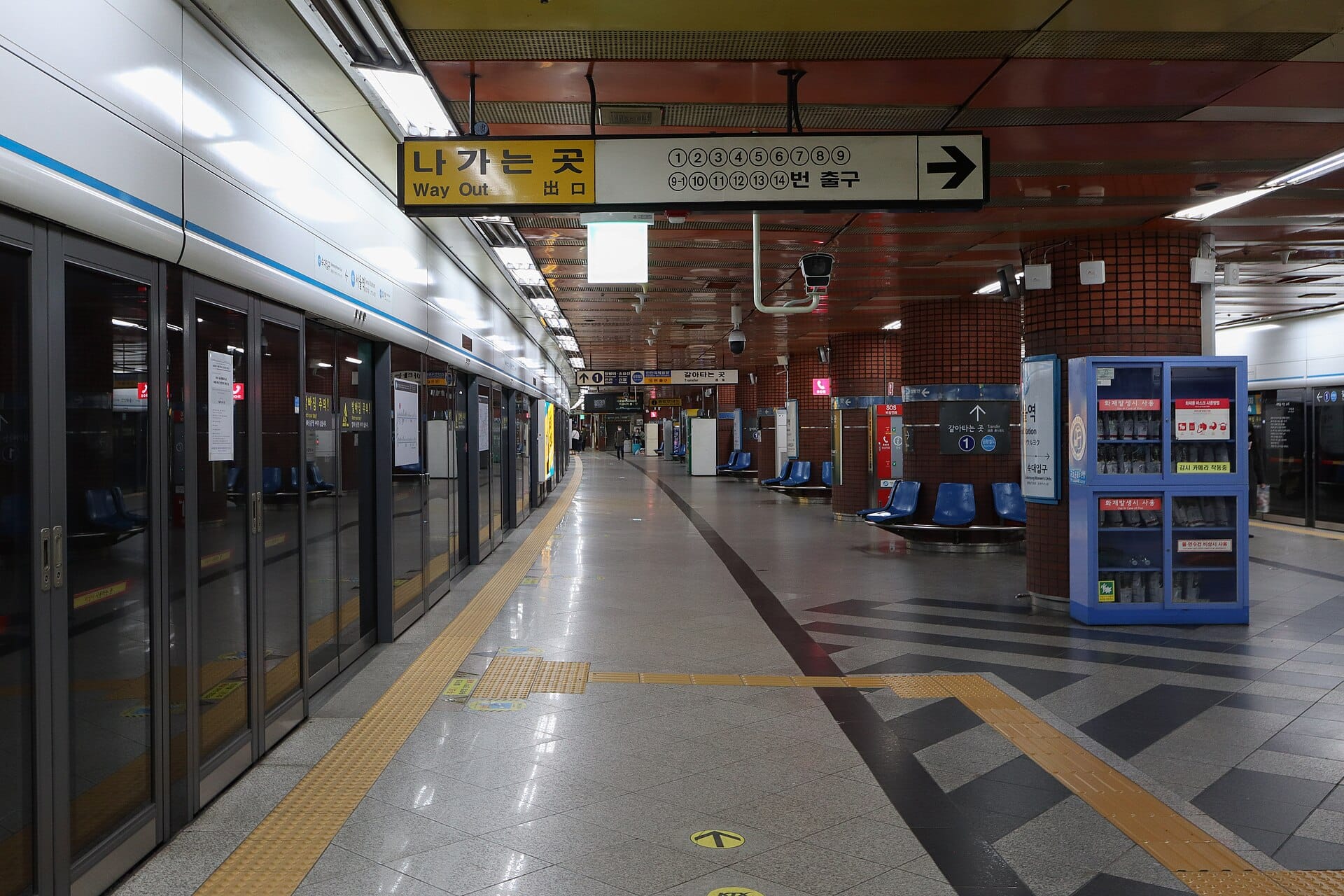
- Default to air-conditioned indoor spaces in the afternoon. Seoul’s malls and department-store complexes — COEX, Lotte World Mall, and similar large indoor spaces — double as reliable heat shelters, not just shopping stops. Our guide to things to do in Seoul flags which attractions are indoors.
- Use the subway over walking or open-air buses. Seoul’s subway system is fully air-conditioned and is the most comfortable way to cover distance during an active warning.
- Hydrate more than feels necessary. Convenience stores are everywhere in Korean cities and sell cold water and electrolyte drinks cheaply — worth a stop every hour or two outdoors.
- Watch for heat-related closures. Some outdoor festivals, markets, and construction-adjacent attractions scale back hours during a Severe Heat Wave Warning; check an attraction’s own notice before a long trip out.

Quick Summary: Korea’s 2026 Heat Wave System
- New system in effect: since June 1, 2026 (first revision in 18 years)
- New top tier: Severe Heat Wave Warning — apparent temp ≥38°C or actual temp ≥39°C for just one day
- New overnight alert: tropical night advisory at 25–27°C minimum, depending on region
- First activation: July 12, 2026
- Record heat (late July 2026): Yangsan 40.3°C · Busan 38.8°C (both all-time local records)
- Hardest-hit region: South Gyeongsang province (Yangsan, Gimhae, Miryang, Uiryeong, Changnyeong)
- Traveler takeaway: front-load outdoor plans to the morning, default to air-conditioned indoor spaces and the subway in the afternoon