
Last Updated: June 2026
Quick answer: Autumn in Seoul (September–November) brings clear blue skies, comfortable temperatures, and brilliant foliage that peaks from late October into mid-November. The best fall-color spots are the palace grounds, Namsan, the ginkgo-lined streets, and parks like Seoul Forest. Many travelers rate it the best season of all.
Autumn is, for many visitors, the finest season to be in Seoul. The summer humidity breaks, the skies turn a deep, dependable blue, and from late October the city’s trees ignite — ginkgo avenues glowing gold, maple-filled palace grounds blazing red, and the mountains around the city turning into a patchwork of color. The weather is made for walking all day, the light is gorgeous, and the mood is festive. This guide covers when the foliage peaks, the autumn weather, the best spots for fall colors, the festivals, day trips, and what to pack.
Below you’ll find the timing, the top viewing spots, and how autumn compares with the city’s other seasons.
Table of Contents
- When Does Autumn Foliage Peak in Seoul?
- What’s the Weather Like in Autumn?
- Best Spots for Autumn Foliage
- Autumn Festivals & Events
- Foliage Beyond Seoul
- What to Pack for Autumn
- Is Autumn the Best Time to Visit Seoul?
- Plan Your Trip
When Does Autumn Foliage Peak in Seoul?
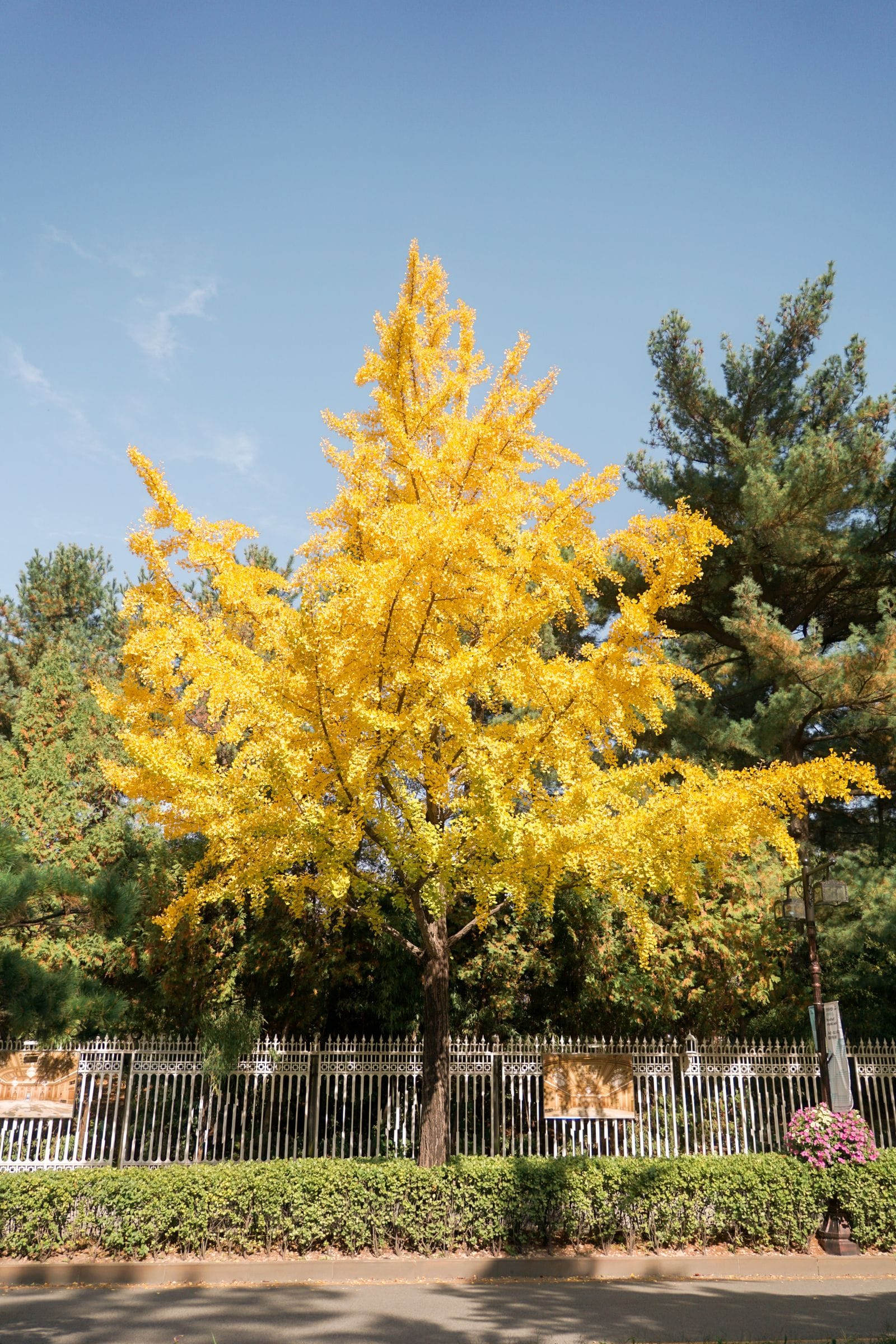
Autumn foliage in Seoul usually peaks from late October into mid-November, with the color building through October and lingering into the third week of November in a good year. The exact timing shifts with the weather — a warm autumn pushes peak later, an early cold snap brings it forward — so if fall colors are your goal, the first half of November is the safest bet for the city itself. The Korea Meteorological Administration publishes an autumn-foliage forecast each year tracking the color as it spreads south from the mountains, which is worth checking before you lock in dates.
What’s the Weather Like in Autumn in Seoul?
Autumn weather is the season’s biggest selling point. September can still hold some late-summer warmth, but by October the humidity is gone, replaced by mild, comfortable days and crisp, cool evenings under famously clear blue skies. November turns colder, edging toward winter by month’s end, but the daytime stays pleasant for sightseeing. Rain is infrequent compared with summer, and the air clarity makes for some of the sharpest skyline and mountain views of the year. In short: it’s the most reliable, walkable weather Seoul gets — pack layers and you’ll be comfortable from morning markets to evening strolls.
Best Spots for Autumn Foliage in Seoul
The city has classic spots for every mood:
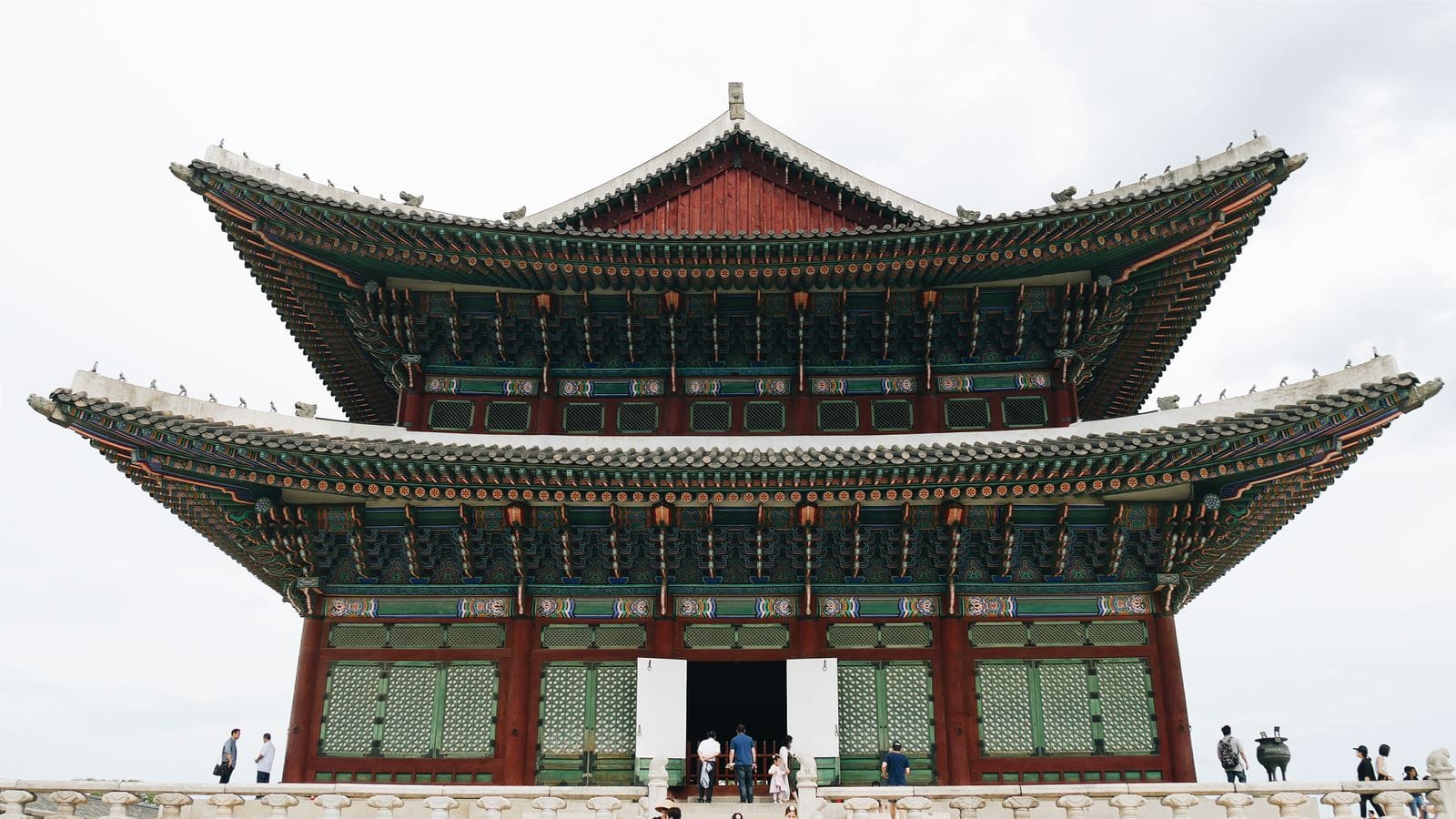
- The palace grounds — Gyeongbokgung and especially Changdeokgung’s Secret Garden pair red maples with traditional architecture.
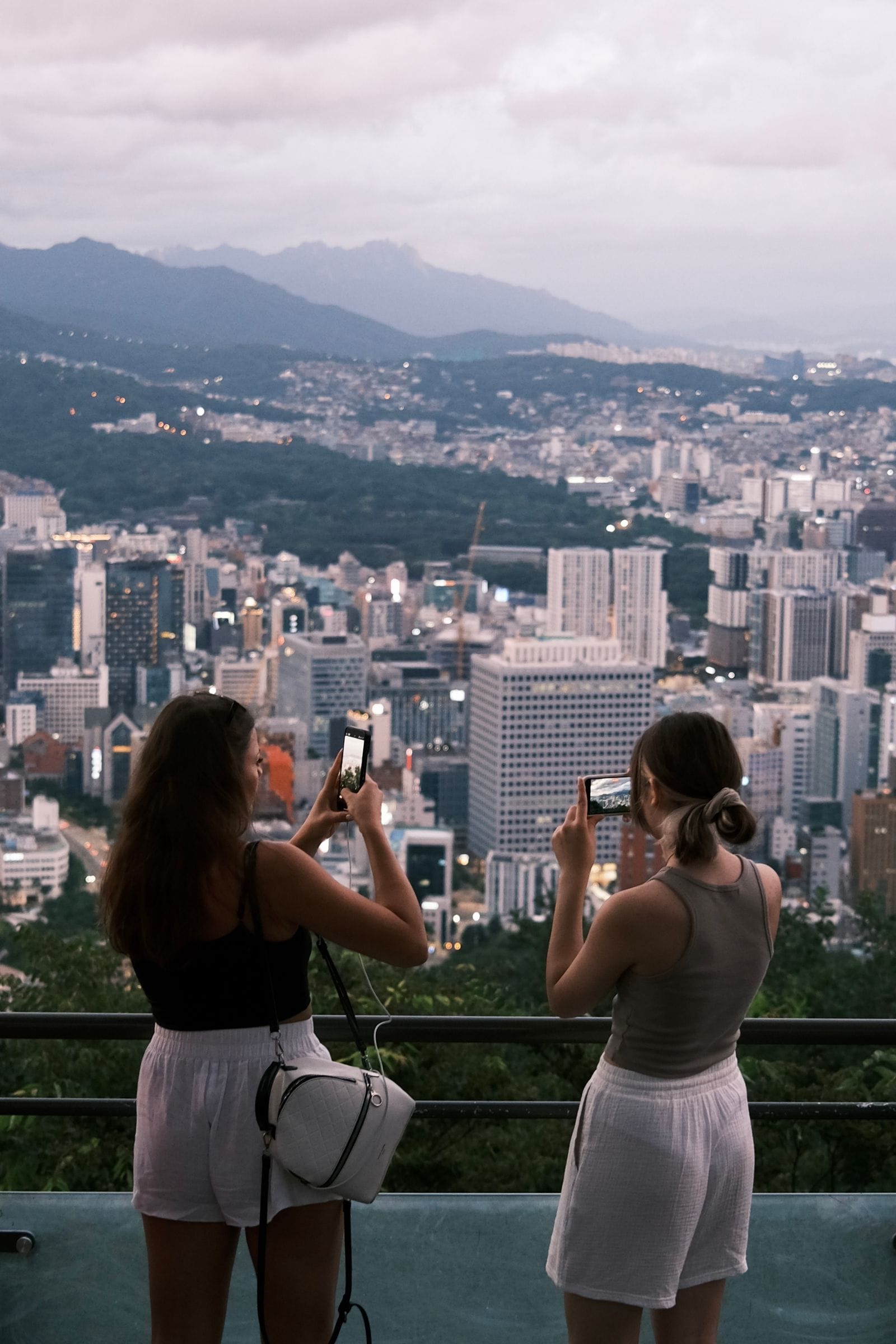
- Namsan & N Seoul Tower — the wooded slopes turn color, with crisp, clear skyline views from the top.
- Bukhansan National Park — the granite peaks ringing the north of the city turn gold and red, and a hike to Baegundae Peak gets you the best foliage views anywhere near Seoul.
- Seoul Forest & Olympic Park — big, leafy parks made for a foliage walk and a picnic.
- Deoksugung’s stone-wall road — the ginkgo-lined Jeongdong path is a downtown classic for golden leaves.
- The Han River parks — easy, free, and lovely as the riverside trees turn.
Autumn Festivals & Events
Autumn is festival season in Seoul. The crisp weather brings a wave of outdoor events — lantern festivals along the Cheonggyecheon stream, fireworks over the Han River, food and culture fairs, and harvest-time celebrations across the city. It’s also when the major holiday of Chuseok (Korean Thanksgiving) falls, usually in September or early October; it’s a beautiful cultural moment, but many small businesses close and domestic travel spikes, so check the dates and book ahead if your trip overlaps — our Chuseok 2026 guide covers the exact dates, closures, and how to book around it. For a softer, free take on the season, the Seoul Silvergrass Festival fills Haneul Park with silver-gold grass on October 17–23, 2026. Beyond the big events, simply wandering a tree-lined street or a palace courtyard in the autumn light is the season’s quiet highlight.
Foliage Beyond Seoul
For the most dramatic fall colors, head out of the city. The mountains turn first and most intensely — Seoraksan National Park in the northeast is Korea’s foliage showpiece, peaking earlier in October, while Nami Island, the gardens around Gapyeong, and the fortress town of Suwon all make easy autumn day trips. Color spreads from the high mountains down to the cities through the season, so even if Seoul hasn’t peaked, somewhere within reach probably has. Our guide to day trips from Seoul covers the options, and you can book a foliage day tour🎫 to reach the best spots without the planning. For flowers rather than leaves, Yangju’s Nari Park fills with pink muhly grass, cosmos, and millions of globe amaranth blooms through late October and makes an easy add-on day trip north of the city. If Seoraksan is the priority, it’s far enough that staying a night nearby beats a rushed round trip — our guide to where to stay in Sokcho covers the best bases near the park.
What to Pack for Autumn in Seoul
Layers are the answer. Early autumn can still be warm in the afternoon, while late November mornings are cold, so a setup you can add to and peel off works best:
- September: Light clothing for warm days, plus a light jacket for cooler evenings.
- October: A sweater and a medium jacket; comfortable all-day walking weather.
- November: A proper coat, a scarf, and warmer layers as it edges toward winter.
- Any month: Comfortable walking shoes — autumn is made for being on your feet.
Is Autumn the Best Time to Visit Seoul?
For many travelers, yes. Autumn offers the most dependable weather of the year — clear, mild, and dry — alongside spectacular foliage and a full calendar of events, without the unpredictable rain that can dog the spring blossom season. The one trade-off is that it’s popular: peak-foliage weekends and the Chuseok holiday fill central rooms and push up prices, so book ahead. If you want to weigh it against spring, summer, and winter, our guide to the best time to visit Seoul compares all four seasons side by side — and our guides to cherry blossoms in Seoul and winter in Seoul cover the other standout seasons.
Plan Your Trip
Start by booking your flights to Seoul✈️. Time it to catch the color, using our guide to the best time to visit Seoul, and turn the days into a route with our 4-day Seoul itinerary.
Plan around the color.
Book a peak-season base. Foliage weekends sell out central rooms, so it’s worth comparing central Seoul rooms🏨 early — our guide to where to stay in Seoul covers the best-connected areas.
Disclosure: This post contains affiliate links. If you book through these links, I may earn a small commission at no extra cost to you. I only recommend services I’d use myself.