
Last Updated: September 2026
Quick answer: Where to stay in Gyeongju comes down to one real choice and one tiebreaker. The choice is Bomun Lake, the resort district a few minutes east of downtown with the big hotels, family pools and lake views, versus Hwangnam-dong, the old quarter beside the royal tombs, where you sleep in a hanok and walk to everything. The tiebreaker is Bulguksa: if seeing the temple before the tour buses matters most, a small hotel on the southern edge of town beats both. Below, each option is matched with the hotels that actually suit it — 9 in total.
Gyeongju was the capital of the Silla kingdom for nearly a thousand years, and it still wears that history openly — grass-covered royal tombs rise between city streets, a 7th-century stone observatory stands alone in a field, and the Gyeongju Historic Areas carry UNESCO World Heritage status. It’s a compact, low-rise city split between a historic downtown core and a newer lakeside resort district, which is exactly why picking the right area matters more here than in a bigger city: the two halves offer completely different trips.
Table of Contents
- Bomun Lake Resort or a Hanok Near the Tombs?
- Which Bomun Lake Resorts Keep Kids Busiest?
- Is a Hanok Night in Hwangnam-dong Worth Giving Up the Pool?
- Couples, Big Groups and Tighter Budgets on the Lake
- Why Sleep Near Bulguksa Instead of Downtown?
- When Do Gyeongju Room Rates Spike?
- From Singyeongju Station to Your Hotel: Bus, Bike or Taxi?
Bomun Lake Resort or a Hanok Near the Tombs?
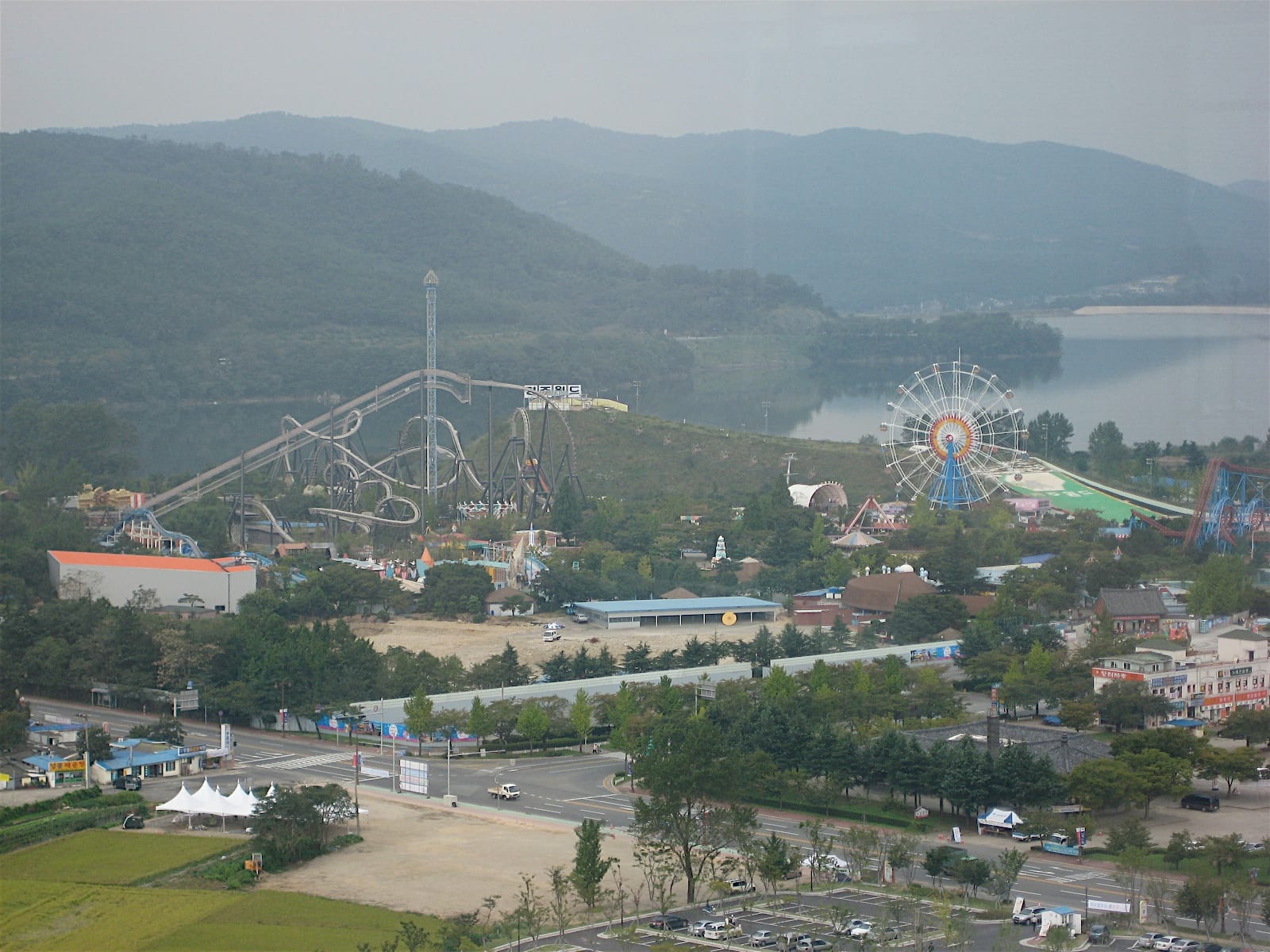
Pick Bomun Lake if the hotel itself is part of the holiday — pools, kids’ facilities, lake views — and you don’t mind a 10–15 minute taxi into the historic center. Pick Hwangnam-dong if you’d rather step out the door and be at Cheomseongdae, the Daereungwon tombs and Donggung Palace on foot, with Hwangridan-gil’s cafés for dinner. The two areas sit about 6–7km apart, close enough to visit both but far enough that where you sleep sets the rhythm of every day.
- Bomun Lake (Bomun Tourist Complex). A purpose-built resort district about 6–7km east of downtown, ringed by larger domestic and international hotels, a lake promenade, and family attractions like Gyeongju World theme park. Best for families, anyone wanting a pool and full-service amenities, and travelers who don’t mind a short taxi into the historic center.
- Hwangnam-dong (downtown, near the tombs). The old quarter beside the Daereungwon tomb park, dense with hanok guesthouses, cafés, and the Hwangridan-gil shopping street. Best for travelers who want to walk to Cheomseongdae, the tombs, and Donggung Palace without a car.
- Near Bulguksa. A quieter pocket on the southern edge of the city, close to the entrance for Bulguksa Temple and the road up to Seokguram Grotto. Best for early risers who want to beat the tour-bus crowds into the UNESCO temple sites.
| Area | Best for | Vibe | Typical nightly rate |
|---|---|---|---|
| Bomun Lake | Families, pools, full-service resorts | Lakeside, resort-style | ₩120,000–350,000+ |
| Hwangnam-dong | Walkable access to the tombs & Hwangridan-gil | Historic, hanok character | ₩80,000–200,000 |
| Near Bulguksa | Early temple access, quiet | Low-key, residential | ₩70,000–150,000 |
Bottom line: Traveling with kids or want a resort pool? Stay on Bomun Lake. Want to walk to Cheomseongdae and the tomb park? Hwangnam-dong. Want to see Bulguksa before the crowds? Base near the temple.
Can you split two nights between the lake and the old town?
Yes, and in Gyeongju it’s one of the better ways to do it. One night covers the essentials — an afternoon cycling the downtown tombs and observatory, and a morning at Bulguksa and Seokguram. Two nights lets you spend one on Bomun Lake and one in Hwangnam-dong, add the national museum, and see Donggung Palace floodlit after dark without rushing. Because the two areas are only a short taxi apart, moving hotels costs you little time.
Which base works if you’re not driving?
Hwangnam-dong is the easiest base without a car — the tombs, observatory, and palace pond are all walkable, and local buses reach Bomun Lake and Bulguksa cheaply from the historic center. Bomun Lake hotels work fine too, since city buses and taxis connect the resort district to downtown in about 10–15 minutes, but you’ll rely on a bus or taxi more often than you would from Hwangnam-dong.
Which Bomun Lake Resorts Keep Kids Busiest?
For families, the lake is the clear answer: four resorts here are built around children, and Gyeongju World sits right beside them. The difference between them is mostly how they keep kids entertained — a kids-only pool, an ice rink, a year-round water park, or horse riding — so choose by what your children will actually use.
Hilton Gyeongju — a pool just for kids
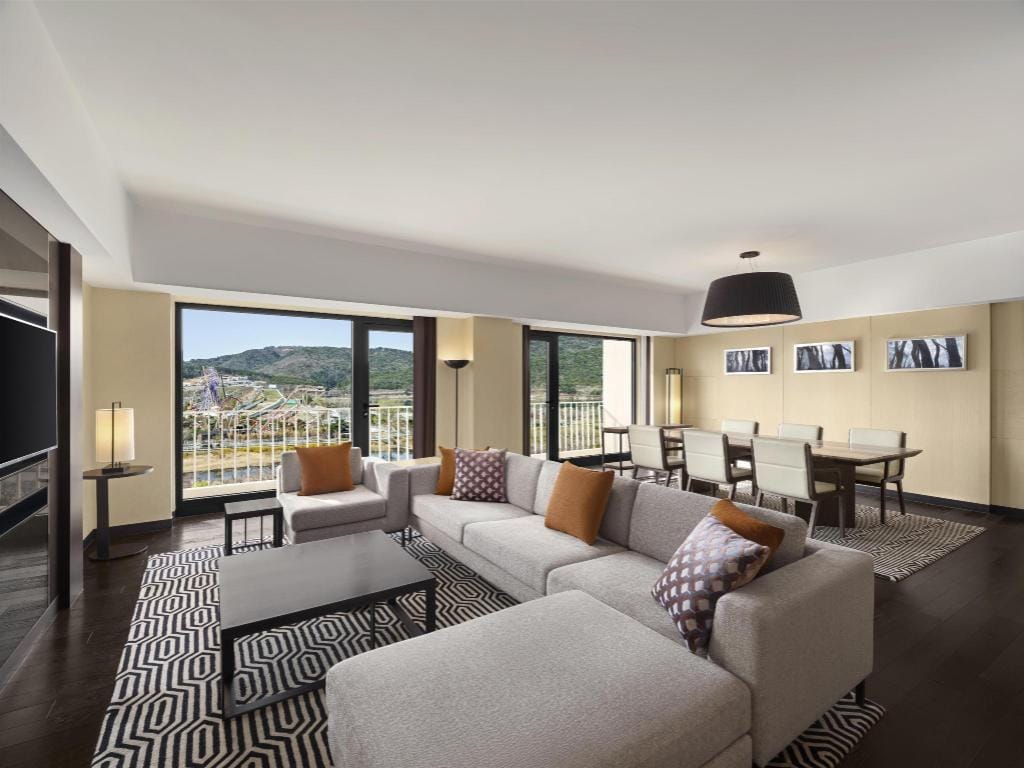
Hilton Gyeongju🏨 sits right on Bomun Lake with a dedicated kids-only pool, an indoor play area, and the Hello Gyeongju kids café — genuinely useful if you’re traveling with young children. It’s also close to Gyeongju World, so there’s no shortage of things to fill an afternoon when the kids have had enough of tombs.
Lahan Select Gyeongju — indoor fun when it rains
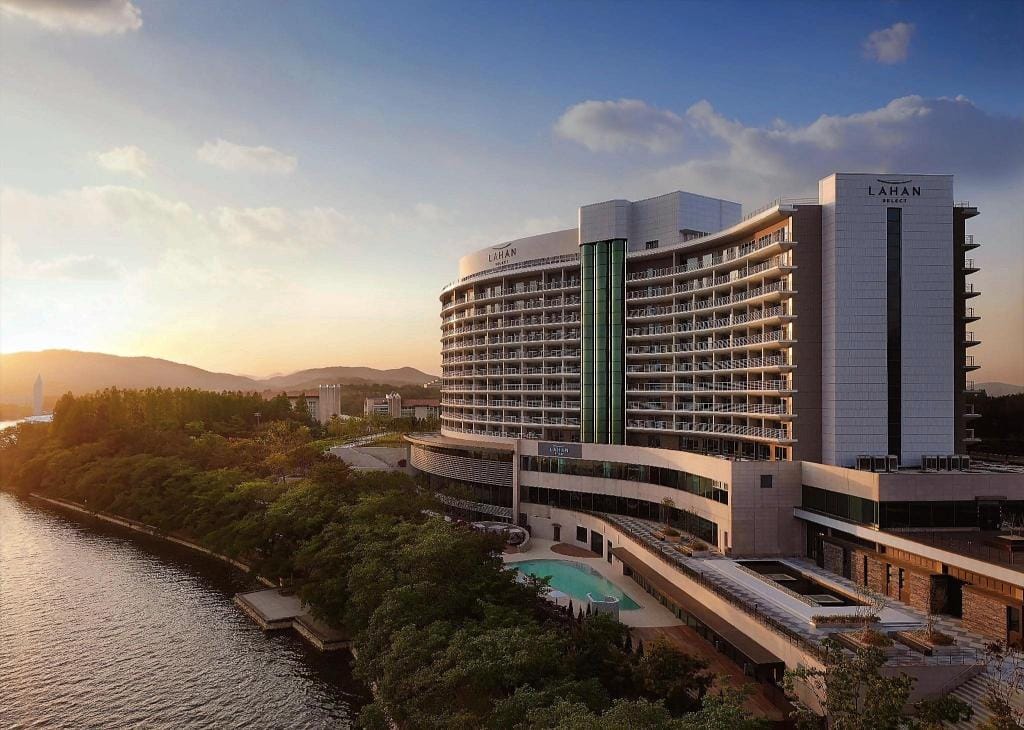
Lahan Select Gyeongju🏨 is another family-friendly resort inside the Bomun complex, with a kids lounge, ball pit, and an indoor ice rink alongside themed kids rooms. Because so much of it is indoors, it’s the safer pick for a wet or cold visit, and it’s still a short hop from the royal tombs and temples that make Gyeongju worth the trip.
Sono Belle Gyeongju — a water park in every season
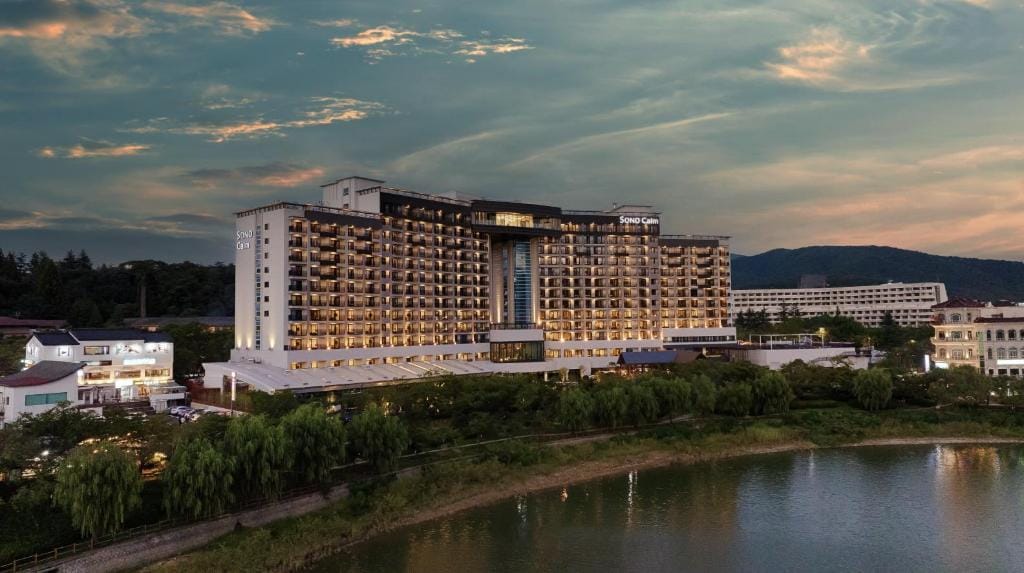
Sono Belle Gyeongju🏨 sits right next to Bomun Lake with lake views from many rooms, and its attached water park, Ocean Play, keeps kids busy across all four seasons. Gyeongju World and Donggung Park are both an easy drive away, so it suits families who want water play to fill the gaps between sightseeing days.
Benikea Swiss Rosen — ondol suites and horse riding
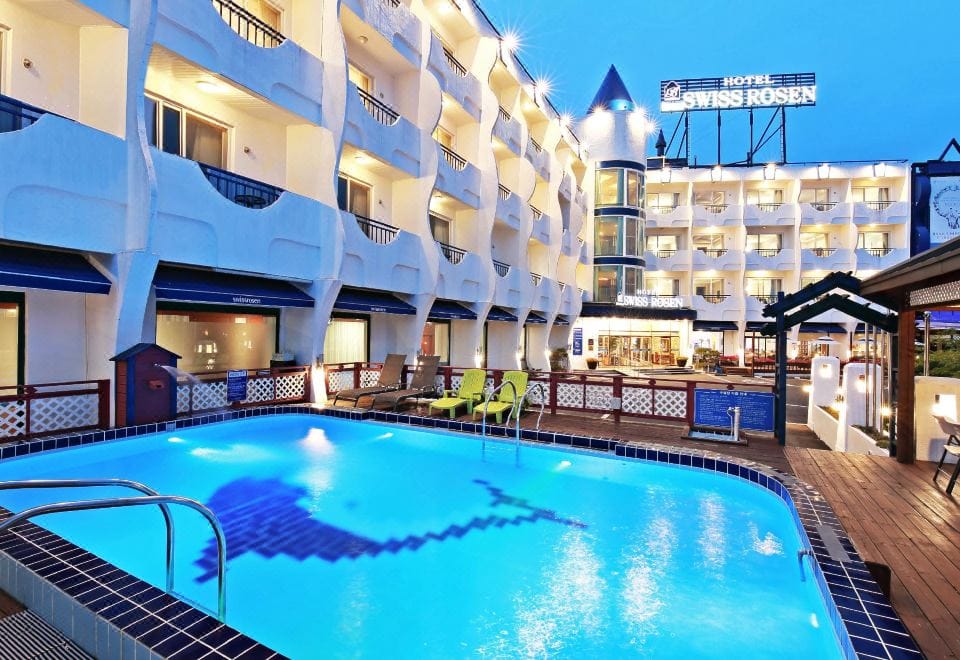
Benikea Swiss Rosen Hotel Gyeongju🏨 sits inside the Bomun resort area with easy walking access to Gyeongju World and Hwangnyongwon. Spacious family suite ondol rooms — where everyone sleeps on the heated floor, Korean-style — hold multiple guests comfortably, and there’s an outdoor pool plus horse riding on site. It’s the pick for bigger families who’d rather share one room than book two.
Is a Hanok Night in Hwangnam-dong Worth Giving Up the Pool?
For most adults without kids, yes. What you trade is a pool and resort facilities; what you gain is walking out at dusk to see Cheomseongdae at its prettiest, strolling past the tomb mounds after dinner, and never needing a taxi for the core sights. Hwangnam-dong’s hanok stays also tend to cost less than Bomun Lake’s resorts for a comparable standard.
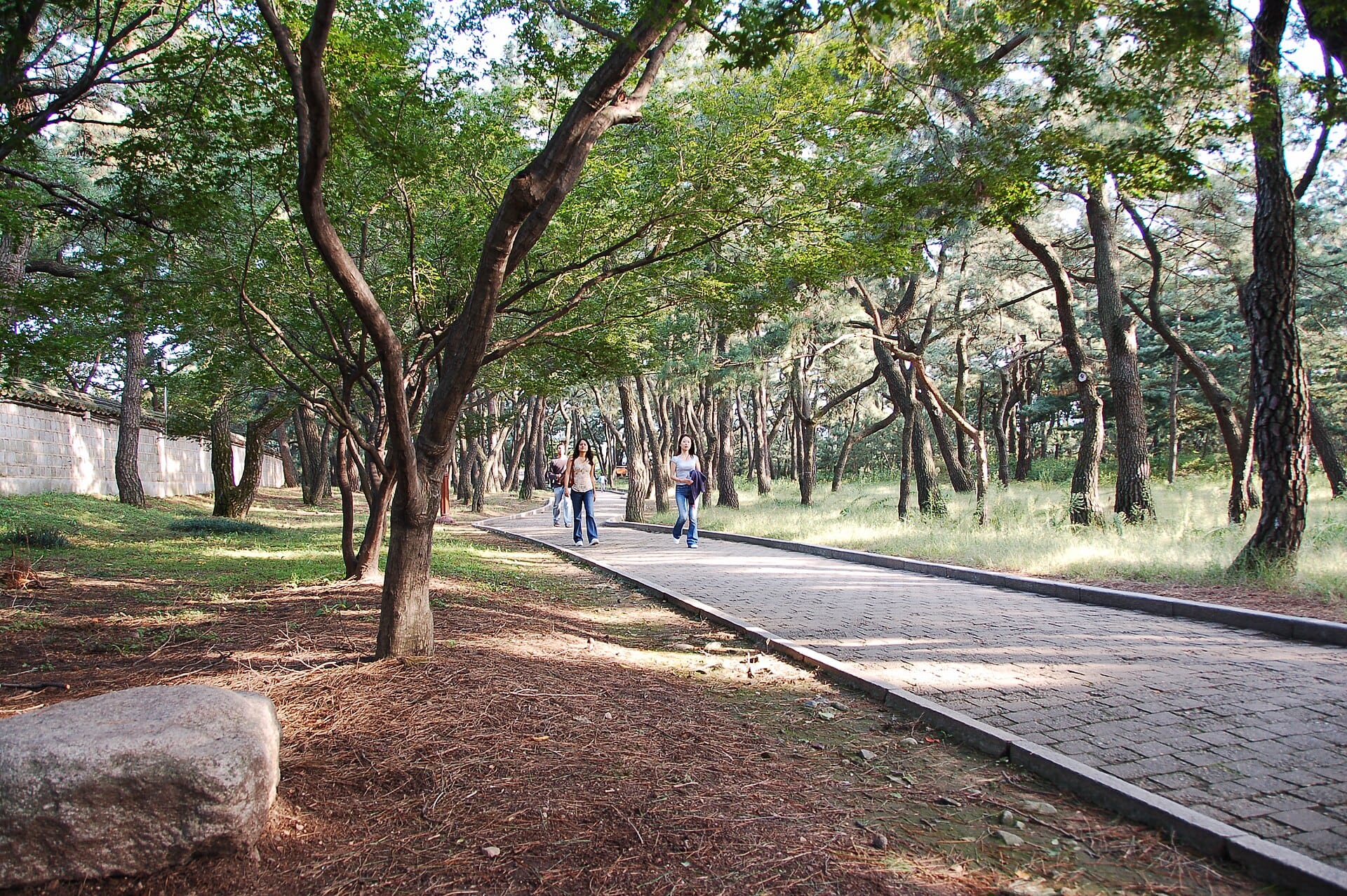
Daereungwon, the tomb park at the heart of the quarter, lets you step inside one excavated mound to see royal gold artifacts up close, and Cheomseongdae, the 7th-century observatory nearby, is especially pretty at dusk — both easy to revisit when you’re sleeping around the corner. If a night on heated hanok floors appeals but you’re unsure how it works, our guide to templestays and hanok stays explains what to expect.
Wiyeonjae Hanok Stay
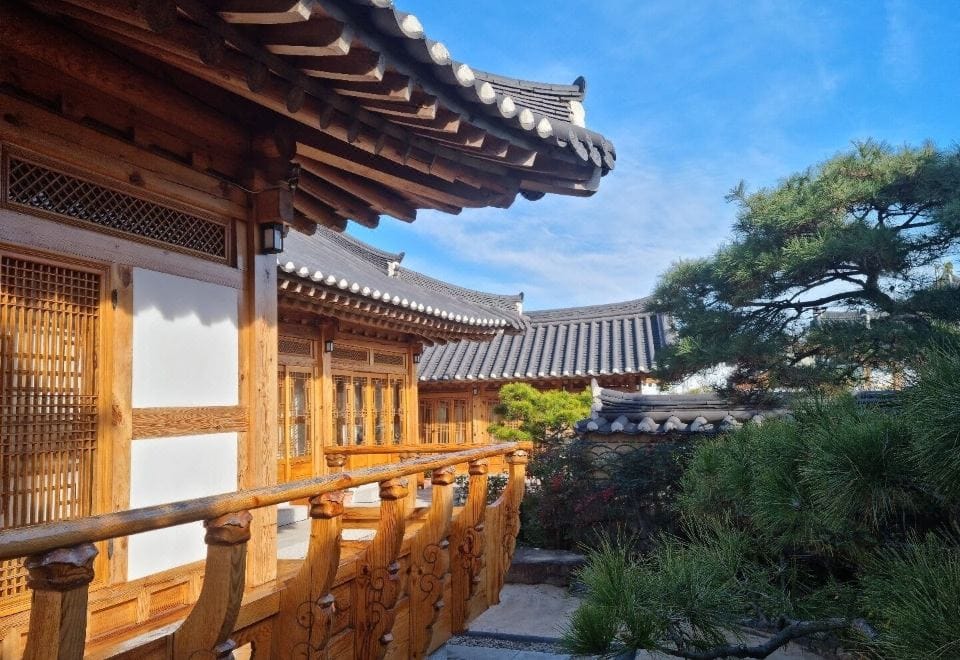
Wiyeonjae Hanok Stay🏨 puts Cheomseongdae, Hwangridan-gil, Donggung Palace, and the old palace grounds all within walking distance, so exploring downtown Gyeongju on foot is genuinely easy from here. Lanterns light the courtyard at night, and guests get complimentary tea and drinks at the on-site café — the kind of slow evening the lake resorts can’t really offer.
Couples, Big Groups and Tighter Budgets on the Lake
Not every Bomun Lake stay revolves around children. These three suit a different kind of trip: a quiet couples’ retreat, a group that needs floor space, and a traveler who wants the lake promenade without resort prices.
Tomonoya Hotel & Ryokan — for couples
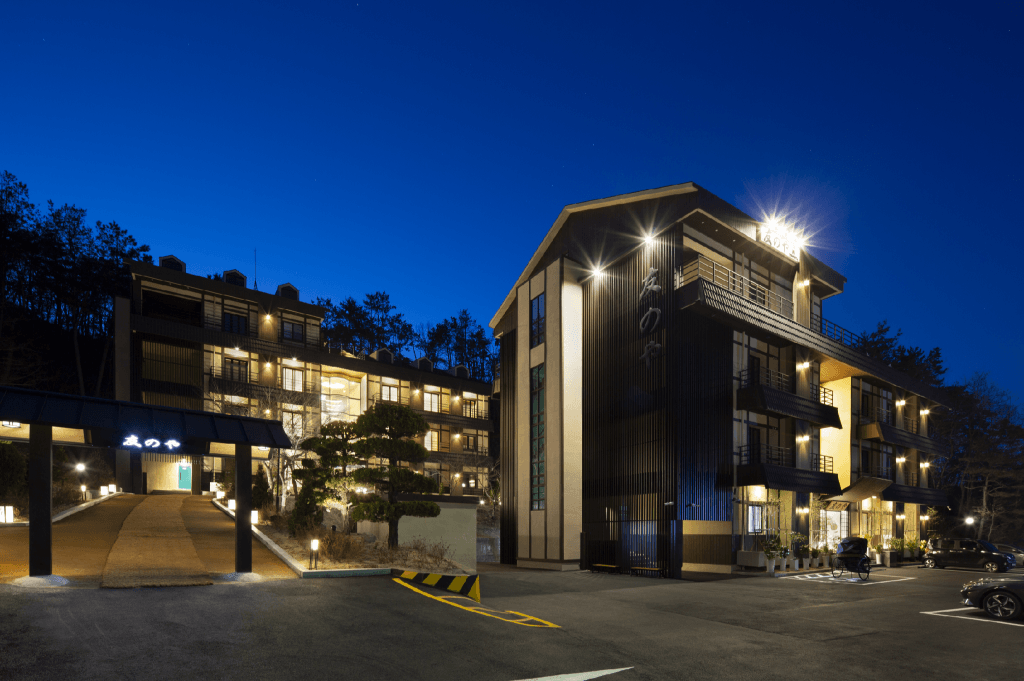
Tomonoya Hotel & Ryokan Gyeongju🏨 is a ryokan-style hotel on Bomun Lake where every room has tatami flooring and a hinoki cypress bath. The private hinoki spa experience gives it a distinctly different feel from the lake’s larger resorts, which is why it’s popular with couples — you get atmosphere similar to a hanok while keeping the lakeside location.
Commodore Hotel Gyeongju — for larger groups
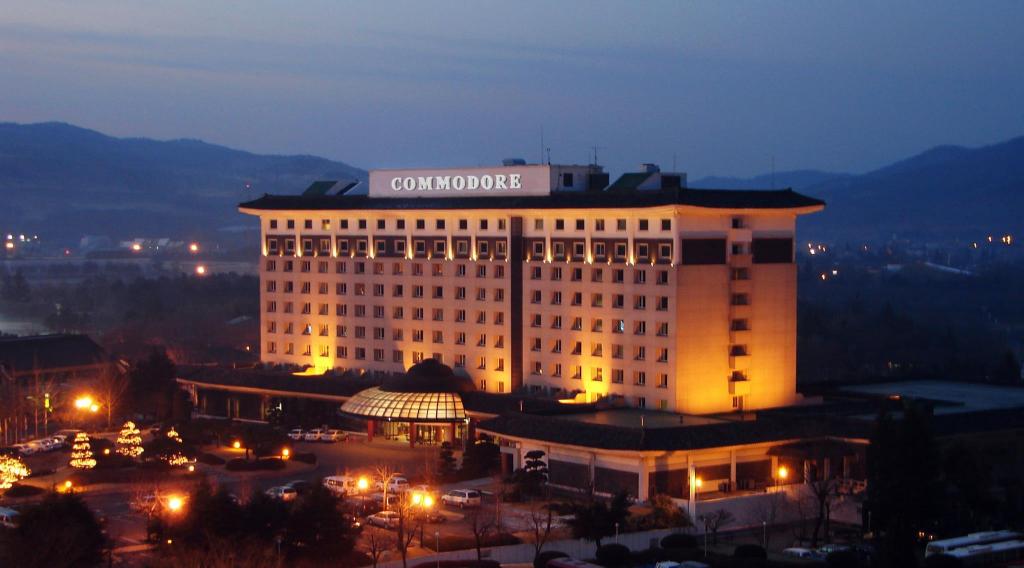
Commodore Hotel Gyeongju🏨 is inside the Bomun resort district, an easy drive to both Bomun Lake and Gyeongju World. Room sizes run generous, which makes it a solid pick if you’re traveling with a larger group or just prefer more space to spread out after a long day of sightseeing.
The K Hotel Gyeongju — for a lower budget
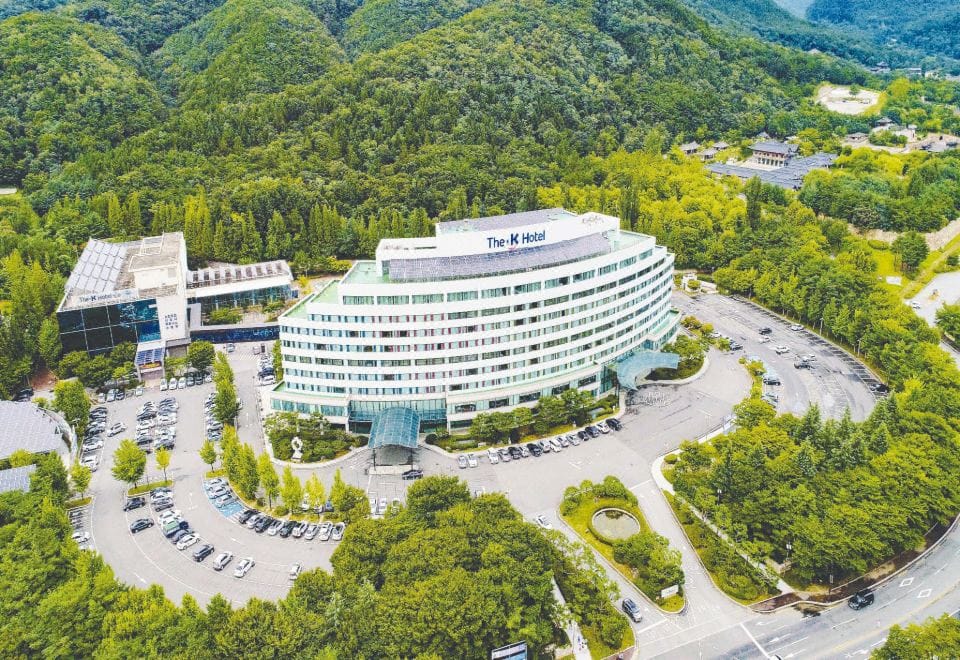
The K Hotel Gyeongju🏨 is within walking distance of Bomun Lake, which makes for an easy evening stroll, and it sits near local sightseeing bus routes too. It’s a reasonable pick when location and price matter more than resort-level facilities — you still get the lake, just without paying for a water park you won’t use.
Why Sleep Near Bulguksa Instead of Downtown?
Because Gyeongju’s two most famous sights are the ones that get the most crowded. Bulguksa and Seokguram Grotto, both UNESCO-listed and dating to the 8th century, draw most visitors out of the center — a terraced complex of stone staircases and golden halls at Bulguksa, and a serene granite Buddha inside a stone dome at Seokguram, a short but steep climb above it. Staying on this quieter southern edge of the city lets you walk in before the tour buses arrive, which makes a real difference to the temple’s atmosphere.
H Avenue Gyeongju Bulguksa
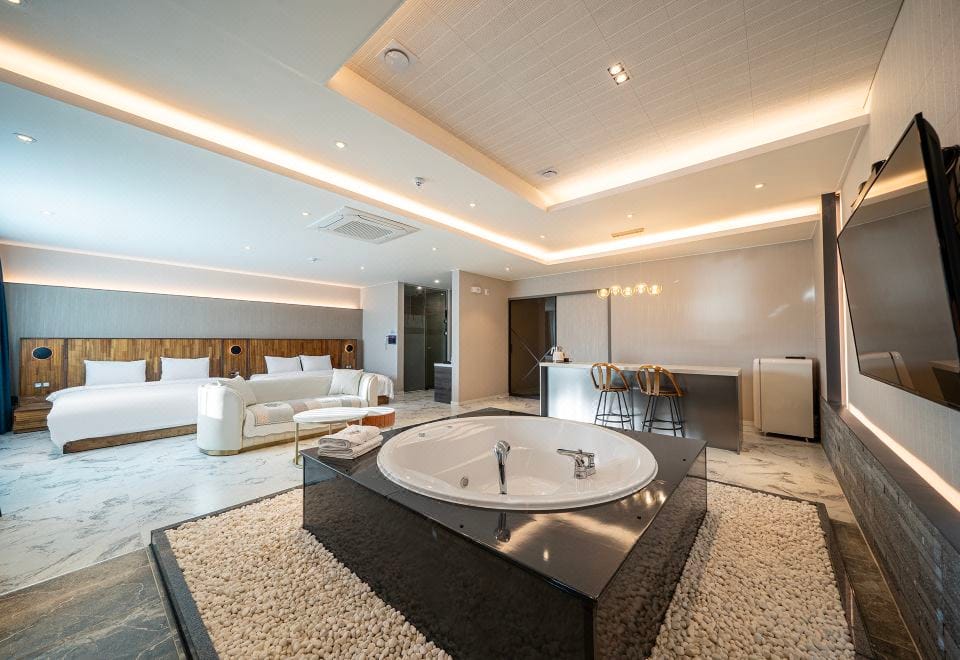
H Avenue Gyeongju Bulguksa🏨 sits close enough to walk to Bulguksa first thing in the morning, ahead of the tour groups, and back again after. Interiors run clean and modern, with some rooms fitted with a jacuzzi for a bit more of a getaway feel. Rates in this area typically sit below both Bomun Lake and Hwangnam-dong.
The trade-off is evenings: the Bulguksa area is low-key and residential, so for dinner on Hwangridan-gil or Donggung Palace after dark you’ll need a bus or taxi back into town. If you’d rather not plan the temple logistics yourself at all, a guided Gyeongju highlights tour🎫 bundles the temples, tombs, and transport into one booking.
When Do Gyeongju Room Rates Spike?
Rates climb hardest around the cherry-blossom weeks in early April and the autumn foliage season in late October and November, when Gyeongju is at its most photogenic. Those are the weeks when lake-view rooms and family suites at Bomun Lake sell out first, so book the resorts well ahead if your dates fall there.
Outside those peaks, the price gap between areas is what matters. Hwangnam-dong’s hanok stays and downtown guesthouses generally run roughly ₩80,000–200,000 a night. Hotels near Bulguksa sit similarly, around ₩70,000–150,000, since they trade resort amenities for a quieter, more residential setting. Bomun Lake’s resort hotels span the widest range — from reasonably priced rooms up to ₩350,000 and more for lake-view suites and family packages at peak times.
- Hwangnam-dong is the walkable value play. Hanok stays here run well below Bomun Lake’s resorts for a comparable standard, with the tombs and Hwangridan-gil right outside.
- Don’t pay for facilities you won’t use. A kids’ water park is worth the premium for a family, not for a couple out sightseeing all day.
- Compare the same room on a few dates. Prices shift by site and by night, especially on either side of the blossom and foliage weekends.
From Singyeongju Station to Your Hotel: Bus, Bike or Taxi?
Arrive by KTX high-speed train at Singyeongju Station — about two hours from Seoul and just under an hour from Busan, with frequent departures through the day — then budget 20–30 minutes by bus or taxi for the last stretch into downtown, Hwangnam-dong, or Bomun Lake, since the station sits a little outside the historic center. Seats fill up on weekends, Korean holidays and peak foliage weekends, so it’s worth reserving a day or two ahead: you can book a high-speed rail ticket🚄 for the time you want before you travel.
Arriving from overseas? It’s worth checking flights into Seoul✈️ first, then booking the KTX onward once your Korea dates are set. Check our Korea entry requirements guide before you fly, since most visitors still need to file the free e-Arrival Card.
Is a bicycle enough for the downtown sights?
For the historic core, yes. City buses connect Bomun Lake, downtown Hwangnam-dong, and Bulguksa, and renting a bicycle is a popular and cheap way to cover the flat downtown loop between the tombs, observatory, and palace pond. A car helps most if you’re planning to squeeze in outlying sights like Golgulsa Temple or the East Sea coast, but it isn’t required for a straightforward one- or two-night visit.
Where does Gyeongju fit in a wider Korea trip?
Its position between Seoul and Busan on the KTX line makes it an easy stop on the way south. For the full rundown on what to see and eat, our Gyeongju travel guide covers the UNESCO sites and food in depth, and our guide to day trips from Seoul shows how Gyeongju fits into a wider Korea itinerary.
Disclosure: This post contains affiliate links. If you book through these links, I may earn a small commission at no extra cost to you. I only recommend services I’d use myself.