
Last Updated: November 2026
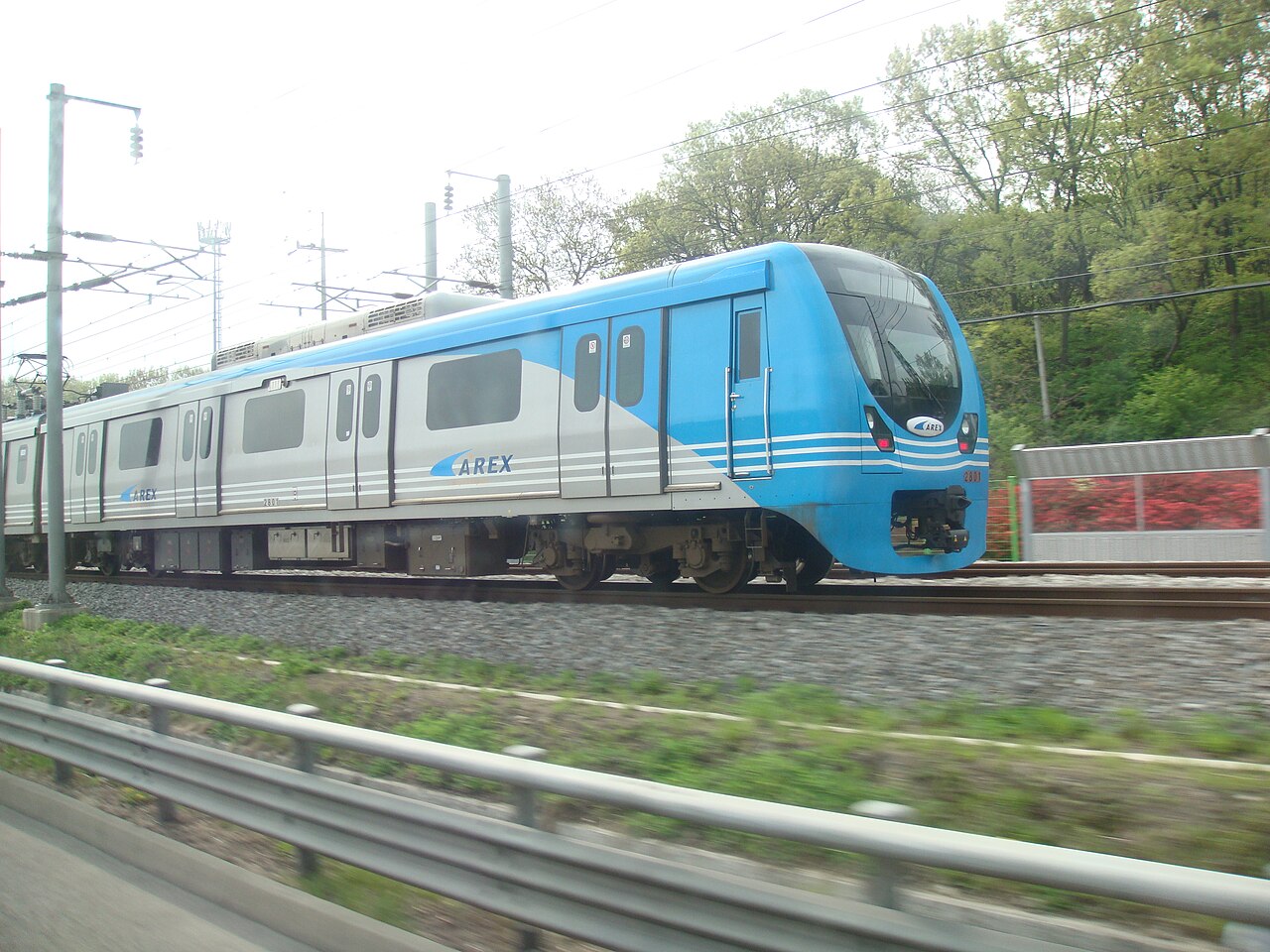
Quick answer: What you can do on an Incheon Airport layover depends on two things: how many hours you have and whether you are allowed to enter Korea. Under about 5 hours, stay airside and rest — Incheon has free showers, nap areas, a transit hotel and cultural exhibits behind security. With roughly 5 to 7 hours, join the airport’s free transit tour or take a short trip into Incheon. With 8 hours or more, you can ride the airport train into Seoul for a palace, a market and a meal, as long as you leave a safe buffer to get back through security.
Incheon (ICN) is one of Asia’s busiest transfer hubs, and a lot of people pass through it without realizing how close they are to a good half-day out. This guide is the planning layer: how to do the time maths, what paperwork you need to step outside, and four realistic plans by layover length. If you are arriving to stay rather than connecting, our Incheon Airport to Seoul transport guide covers the full set of trains, buses and taxis.
Can You Leave Incheon Airport During a Layover?
Yes, if you are eligible to enter Korea. Leaving the airport means going through immigration like any other arriving visitor, so the normal Korea entry requirements apply to you even for a few hours. If you stay in the transit area and never pass immigration, you only need your passport and onward boarding pass.
To step outside, check three things before you fly:
- Visa: citizens of visa-waiver countries do not need one for a short visit. If your nationality normally needs a visa for Korea, you need it to leave the airport too.
- K-ETA: visa-waiver travelers need an approved K-ETA unless their country is on the temporary exemption list, which covers 22 countries through December 31, 2026. Apply on the official K-ETA portal at least 72 hours before departure, as approval is not instant. Layovers from January 2027 onward are affected by the end of that exemption; see our K-ETA 2027 explainer.
- e-Arrival Card: foreign visitors entering Korea file the free e-Arrival Card online before landing. It takes a few minutes and you can do it from your phone at your departure airport.
One more check: your bags. If both flights are on one ticket, checked luggage is normally sent through to your final destination and you can walk out with just your carry-on. If you booked two separate tickets, you will have to collect your bags, clear customs and check in again, which eats an hour or more of your layover.
How Many Hours Do You Need to Leave the Airport?
Work backwards from your departure time rather than forwards from landing. A simple layover budget looks like this:
- Getting out: allow about an hour from the aircraft door to the arrivals hall. Immigration lines at Incheon are usually quick, but at peak arrival times they can be long — this summer some Terminal 1 queues reached 80 minutes, as we covered in our immigration wait times report.
- Getting back in: be at the departure check-in or transfer area at least 2 to 3 hours before an international flight. Security and departure immigration are fast most of the day, but leave the margin anyway.
- Travel time: the express train to Seoul Station takes about 43 minutes each way from Terminal 1, a little longer from Terminal 2, plus time to walk to and from the station platforms.
Add those up and a trip into central Seoul uses around 5 hours of overhead before you see anything. That is why 8 hours is the practical minimum for Seoul, and why shorter layovers are better spent on the transit tour, Incheon itself or airside.
What Is the Free Incheon Airport Transit Tour?
Incheon Airport runs a free guided transit tour program for passengers connecting through ICN, generally aimed at layovers of about 4 to 24 hours. It is open to transit passengers on any airline. The courses change from season to season. Shorter routes stay around Incheon and Yeongjong Island, and the longer ones (around 5 hours) go into Seoul for a royal palace and the Insadong area. Most courses are free. A few charge a small entrance fee at the attraction itself, such as palace admission.
Practical points for the tour:
- You still pass immigration. The tour leaves from the arrivals side, so the visa, K-ETA and e-Arrival rules above apply to you exactly as if you were going out alone.
- Book ahead. Seats are limited. Reserve on the official Incheon Airport website before you travel, or ask at the transit tour desk in the arrivals hall on the day, where you will show your passport and onward boarding pass.
- Timing is fixed. Each course has set departure times and you need to arrive with enough slack before it and depart with enough after it. Check the current schedule against your flight times before you rely on it.
The transit tour is the best option for a first layover in Korea. A guide handles the transport and the return, so the timing risk is much lower than going alone. If the course times do not line up with your flights, the self-guided plans below are the alternative.
What Can You Do Without Leaving the Airport?
For layovers under about 5 hours, or if you cannot enter Korea, Incheon’s transit area is one of the more comfortable places in Asia to wait. Both terminals have:
- Showers for transit passengers, free in the transit area. Bring your own towel or buy one at a shop nearby, and check opening hours on the airport map, as some are not 24-hour.
- A transit hotel inside the secure area of each terminal, with small private rooms you can book for a few hours. It is the only way to get a real bed without passing immigration. Book ahead for overnight connections, because rooms are limited.
- Rest and nap zones with reclining seats near the gates, plus paid lounges if you want food and a quieter room.
- Free cultural exhibits, including traditional craft displays and small hands-on activities, which are a gentle way to see something Korean between flights.
- Duty-free shopping, which at Incheon is especially strong in K-beauty brands — see our K-beauty shopping guide for what to look for.
Gate numbers and opening hours change, so use the airport’s online map or the information desks once you land instead of relying on old blog directions.
What Can You See Near Incheon Airport in 5 to 7 Hours?
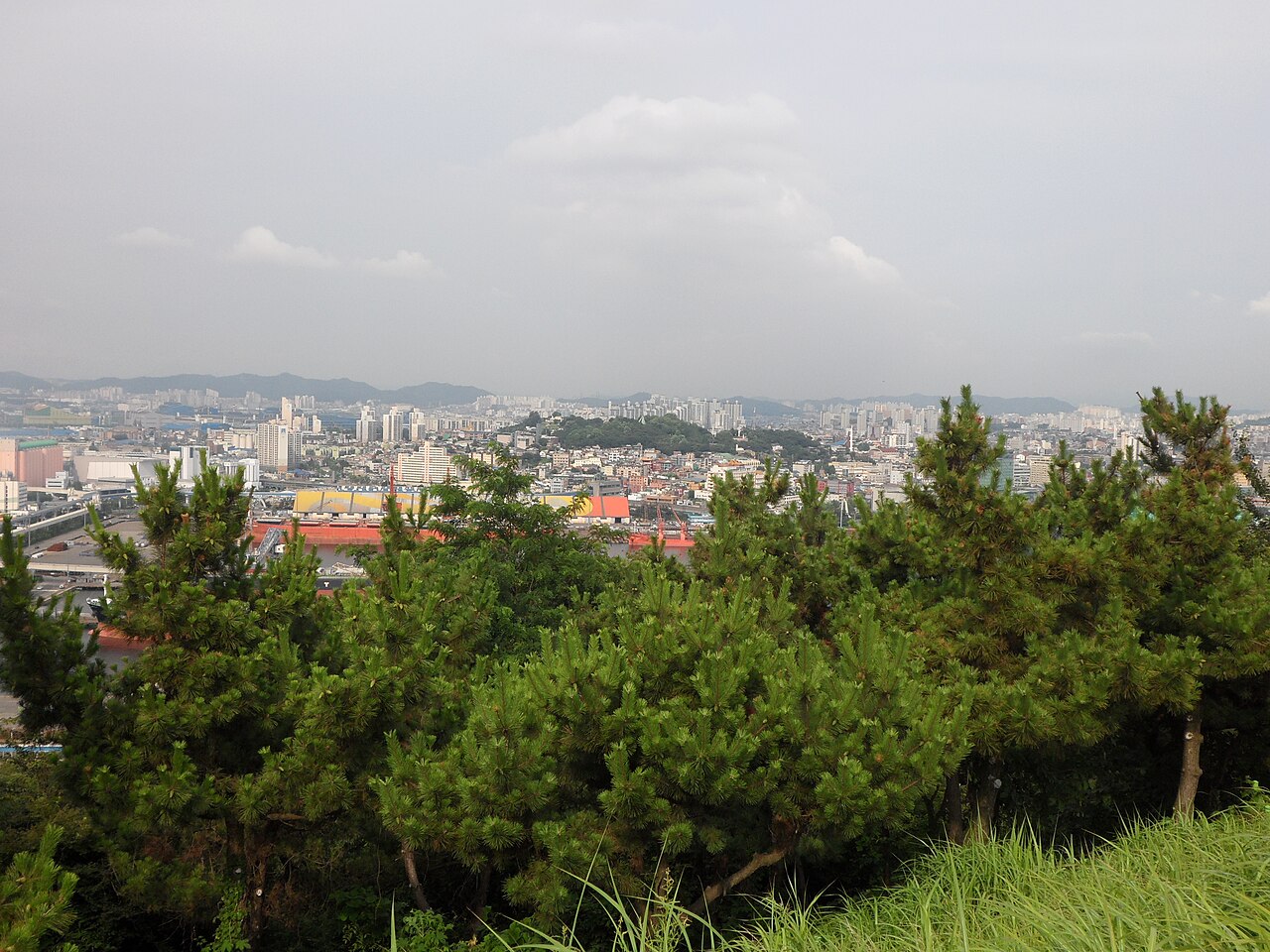
If Seoul is too far for your layover, the city of Incheon is much closer. Its old port district has enough for a half-day.
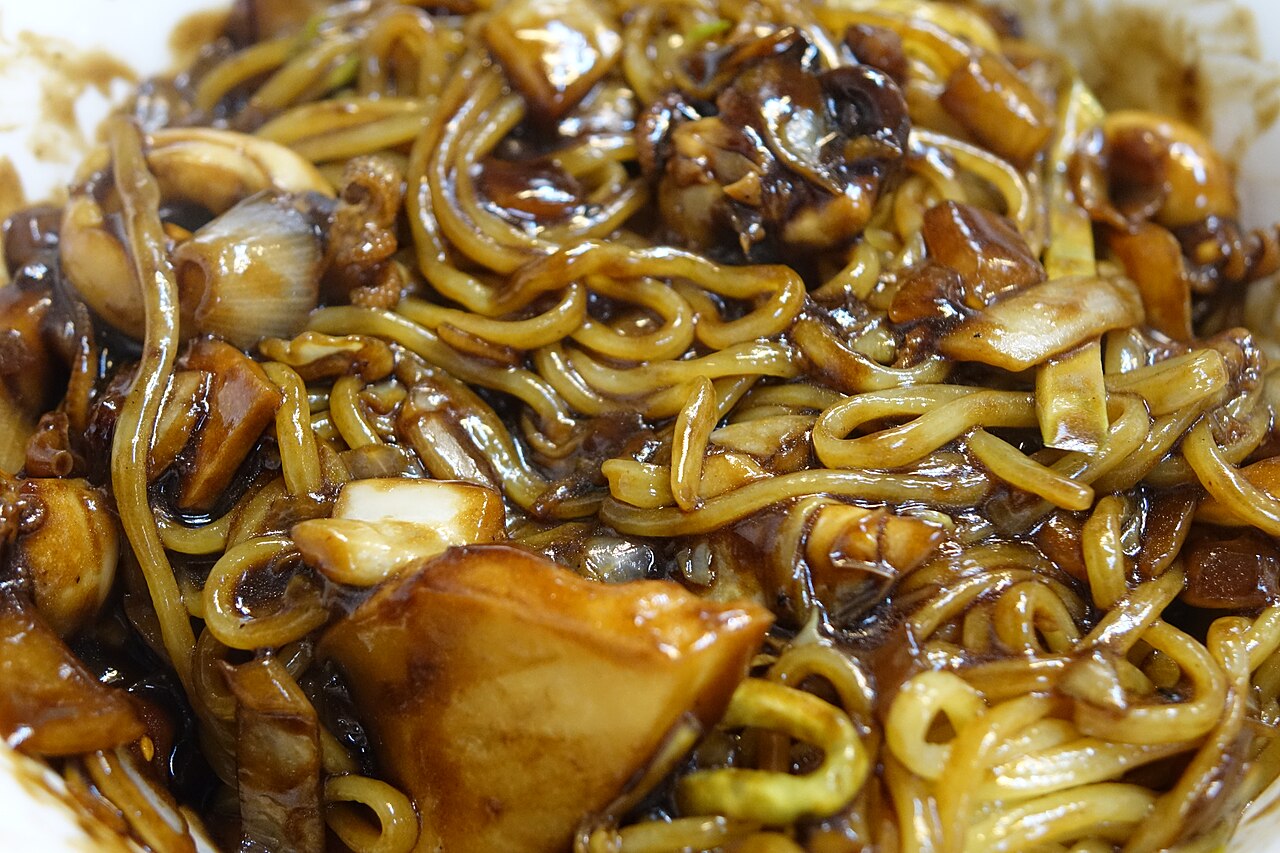
Incheon Chinatown. Korea’s oldest Chinatown grew up around the port that opened to foreign trade in the late 19th century, and it is where Korean-Chinese jajangmyeon (black bean noodles) is said to have been created. A bowl there is the classic layover meal. The neighborhood is compact and walkable, with the colorful murals of Songwol-dong Fairy Tale Village a few minutes away.
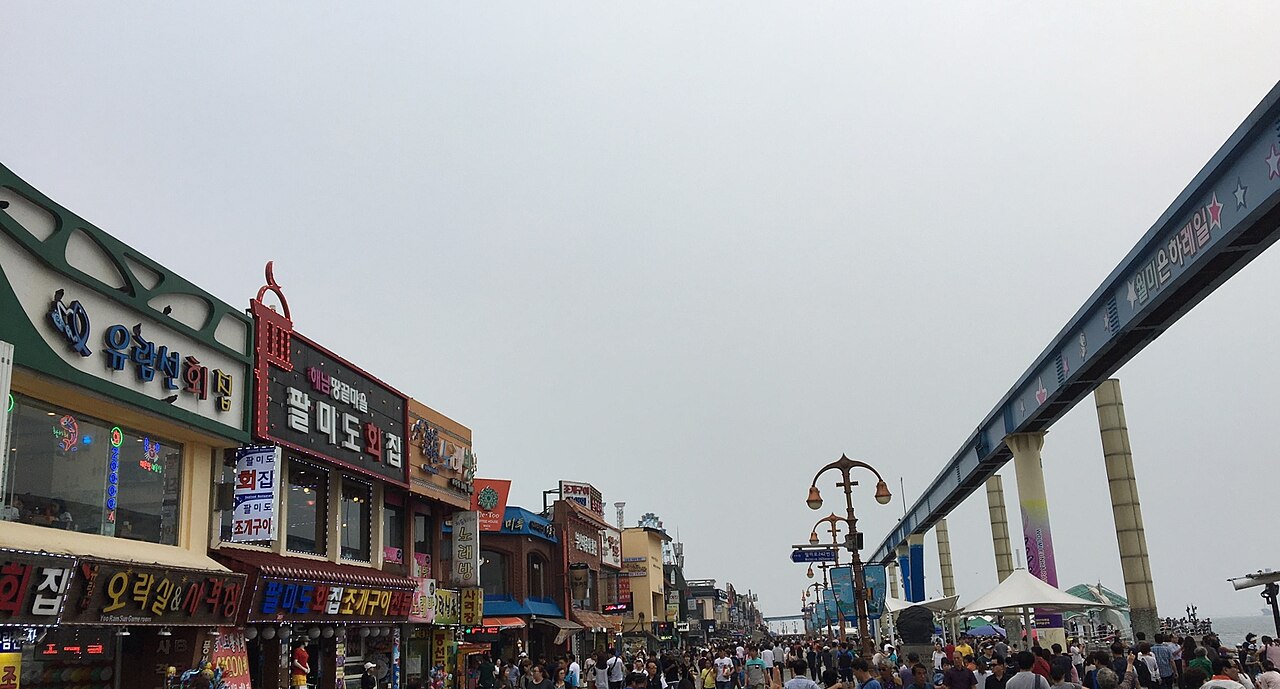
Wolmido. A short ride from Chinatown, this former island now joined to the mainland has a seaside promenade lined with seafood restaurants, a small amusement park and harbor views. It is a good place to see the sea and stretch your legs after a long-haul flight.
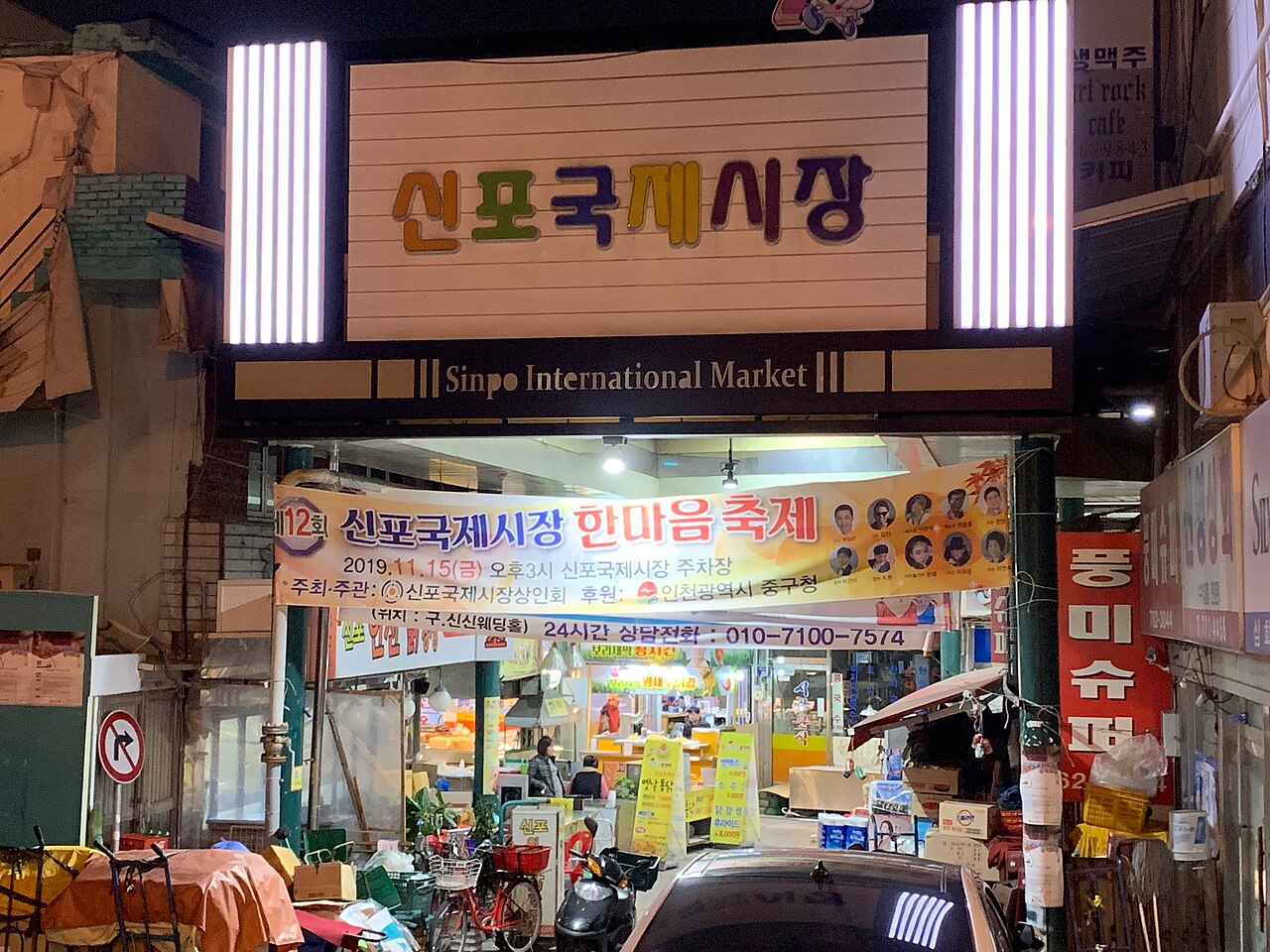
Sinpo International Market. A covered market near Chinatown known for dakgangjeong (sweet-and-spicy fried chicken pieces) and street snacks, cheap enough to sample a few things. If you like this kind of eating, our guide to Seoul’s best markets lists the bigger ones in the capital.
Getting there: the old port is across the water from the airport, so a taxi is the simplest option and usually takes under an hour, depending on traffic and which bridge the driver uses. Public transport works too, with a change of trains, but it takes longer and is easy to get wrong when you are on a deadline. If you would rather not do it alone, there are short guided Incheon tours with hotel or airport pickup🎫.
How Do You See Seoul on an 8 to 12 Hour Layover?
With 8 or more hours, take the AREX airport railroad into the city. The express train runs non-stop to Seoul Station and is the most predictable option, and you can reserve the express train ticket in advance🚄 so you do not have to buy one at the station. The all-stop train is cheaper and stops at Hongik University (Hongdae) on the way, taking around 58 minutes to Seoul Station.
Pick one area and stay there. Trying to cross the city on a layover is the most common mistake. Three plans that work from Seoul Station:
- Palaces and old Seoul (best first choice): a short subway or taxi ride to Gyeongbokgung Palace, then a walk through the hanok lanes of Bukchon and the craft shops of Insadong. Check closing days before you go; most palaces close one weekday a week.
- Markets and street food: Namdaemun Market is walkable from Seoul Station, and Myeongdong’s evening street-food stalls are next door. It is an easy plan with almost no transit time.
- Hongdae: get off the all-stop train at Hongik University station and you are in Seoul’s student and nightlife district, with cafés, shops and buskers. It works well for an evening layover, and you never need to reach central Seoul.
Pay with a contactless card or a transit card on the subway. Our money in Korea guide explains what works for foreign visitors. A data eSIM set up before you land makes maps and taxi apps much easier — see our Korea SIM and eSIM guide.
Set a firm alarm for your return. For an evening departure, being back on the train toward the airport by mid-afternoon is usually the safe call.
Where Should You Stay on an Overnight Layover?
For an overnight connection (12 hours or more, or a very early departure), sleeping near the airport usually beats going into Seoul. Hotels on Yeongjong Island, the island the airport sits on, run shuttles to the terminals and save you a late-night ride across the water.
- Next to Terminal 1: Grand Hyatt Incheon🏨 is the full-service option closest to the terminals, with pools and several restaurants if you want a proper meal and a swim between flights.
- Budget, near Terminal 2: Ibis Styles Ambassador Incheon Airport🏨 runs free shuttles to both terminals and is priced for a single night before a dawn flight.
- Sea views: Nest Hotel Incheon🏨 faces the sea on the island’s west coast with a free airport shuttle, which makes a long layover feel more like a short break.
If you cannot pass immigration, the airside transit hotel is your only bed option. For more choices across the city, including Songdo and the old port, see where to stay in Incheon.
What Are the Most Common Layover Mistakes at Incheon?
- Forgetting the K-ETA. It is the most frequent reason transit passengers cannot leave the airport, and it cannot be fixed at the airport. Check whether your passport is exempt before you fly.
- Underestimating the return. Treat your boarding time minus 3 hours as the hard deadline to be back at the terminal.
- Going to the wrong terminal. Terminal 1 and Terminal 2 are separate buildings with their own train stations. Check which one your onward flight uses — it depends on the airline — before you head back.
- Carrying too much. If you have to collect bags, use the luggage storage counters in the arrivals halls rather than taking a suitcase into the city.
- Planning two neighborhoods. One area done properly beats two done in a rush.
Plan Your Layover
Before you fly, confirm your entry status on the official K-ETA portal, file your e-Arrival Card, and check whether your bags are checked through. If the transit tour fits your schedule, reserve it in advance. If a layover gives you a taste for more, our 3 days in Seoul itinerary is a good starting point for a proper return trip.
Disclosure: This post contains affiliate links. If you book through these links, I may earn a small commission at no extra cost to you. I only recommend services I’d use myself.