
Last updated: September 2026
Quick answer: Korea’s Korea Forest Service has released its official 2026 autumn foliage forecast — color starts in the far north in early October and moves south, with Seoraksan peaking around October 20, Songnisan around October 28, Naejangsan around November 4, and Hallasan around November 6. Nationwide “peak” (50% coloration) lands in late October, about 0.8 days later than the recent five-year average. Seoul’s own palaces and parks are expected to turn in late October into early November.
Table of Contents
- When Does Each Region Peak in 2026?
- Do Different Trees Turn on Different Days?
- When Will Seoul Itself Peak?
- Where to Stay Near Seoraksan for Peak Color?
When Does Each Region Peak in 2026?
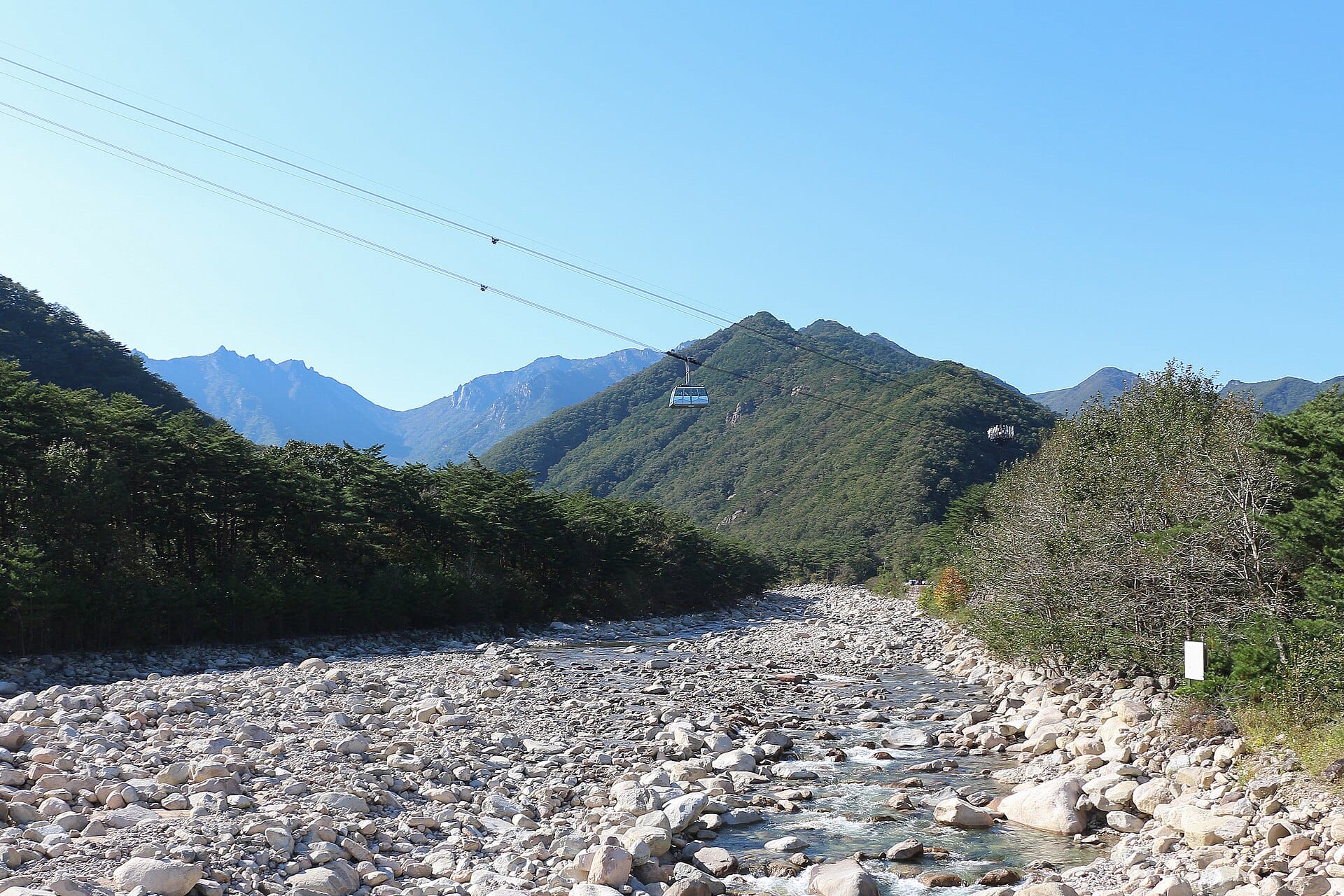
According to the Korea Forest Service’s official 2026 forecast, color begins in the high mountains of the north in early October and spreads south and downhill through the month. Seoraksan National Park, Korea’s earliest and most dramatic foliage destination, is forecast to peak around October 20. Songnisan National Park follows around October 28, Naejangsan National Park — famous for its maple corridor — around November 4, and Hallasan on Jeju Island, the last major peak to turn, around November 6. Nationwide, the forest service defines “peak” as 50% leaf coloration, and it expects that milestone to land in late October across the country as a whole — about 0.8 days later than the average of the past five years, a difference confirmed by a second outlet’s coverage of the same announcement. That’s a negligible shift in practice, so travelers who’ve planned around “late October” in past years can keep that same rule of thumb for 2026.
Do Different Trees Turn on Different Days?
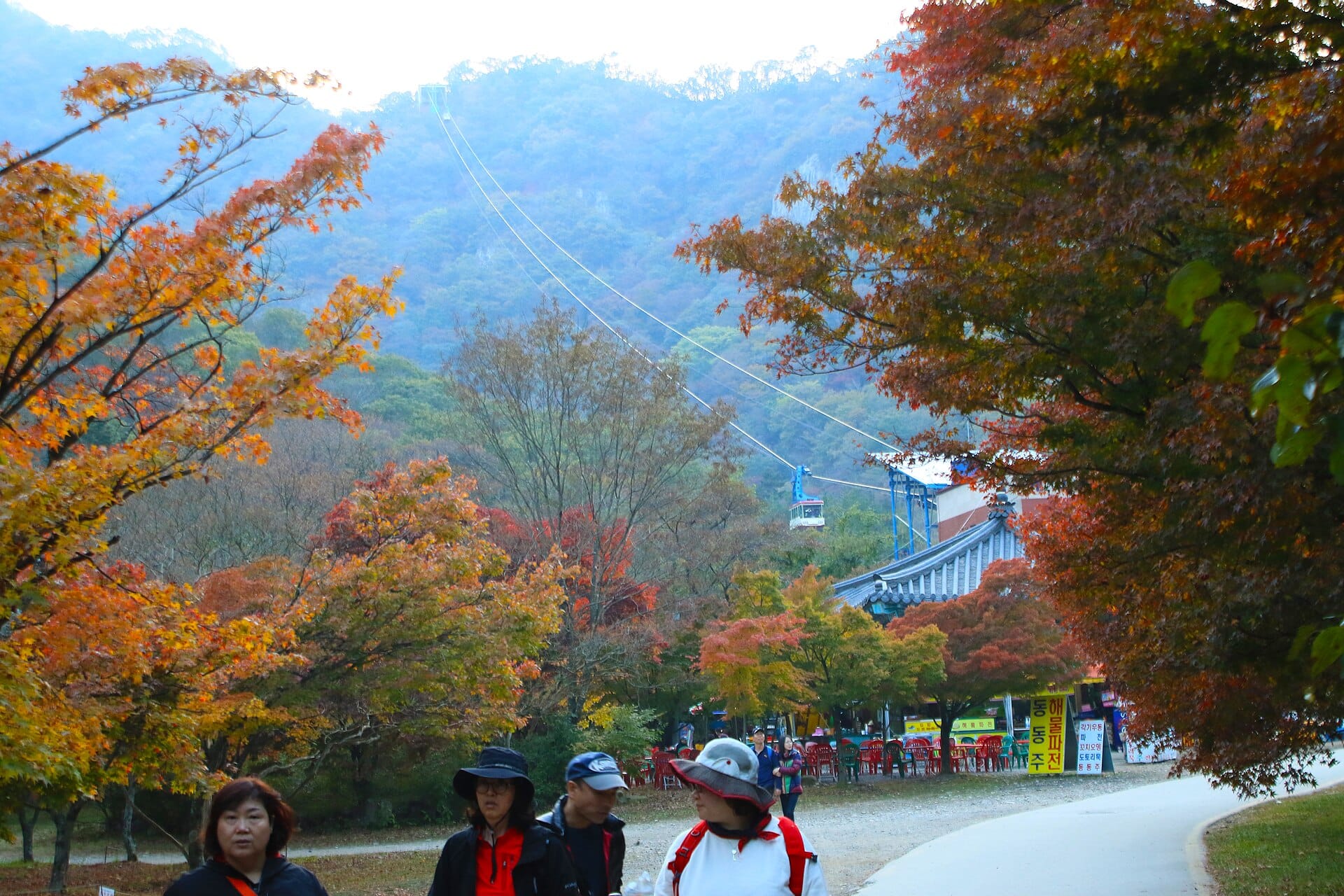
Yes — the forecast also breaks color down by species, since Korea’s most photographed autumn scenes usually mix two or three different trees. Maples and oaks are forecast to peak around October 31, while ginkgo trees — the source of Korea’s famous golden avenues — peak just a day earlier, around October 30. In practice that means the reds and yellows arrive together in most cities, which is why late October is consistently the single best window for classic mixed-color shots at palace grounds and tree-lined streets rather than either color alone.
When Will Seoul Itself Peak?
Seoul’s urban core — the palace grounds, Namsan, and the city’s ginkgo avenues — is expected to reach peak color in late October into early November, tracking the maple/oak and ginkgo dates above rather than the earlier mountain forecasts. If you’re weighing a trip specifically around foliage in the capital, our full guide to autumn in Seoul covers the best spots, festivals, and what to pack for the season in more depth than a single forecast update can. Travelers heading to Seoraksan specifically should note it peaks a full one to two weeks before Seoul does, so a single trip timed for “Seoul color” will generally miss Seoraksan’s best window — plan separate trips, or prioritize Seoraksan first, if both are on your list.
Where to Stay Near Seoraksan for Peak Color?
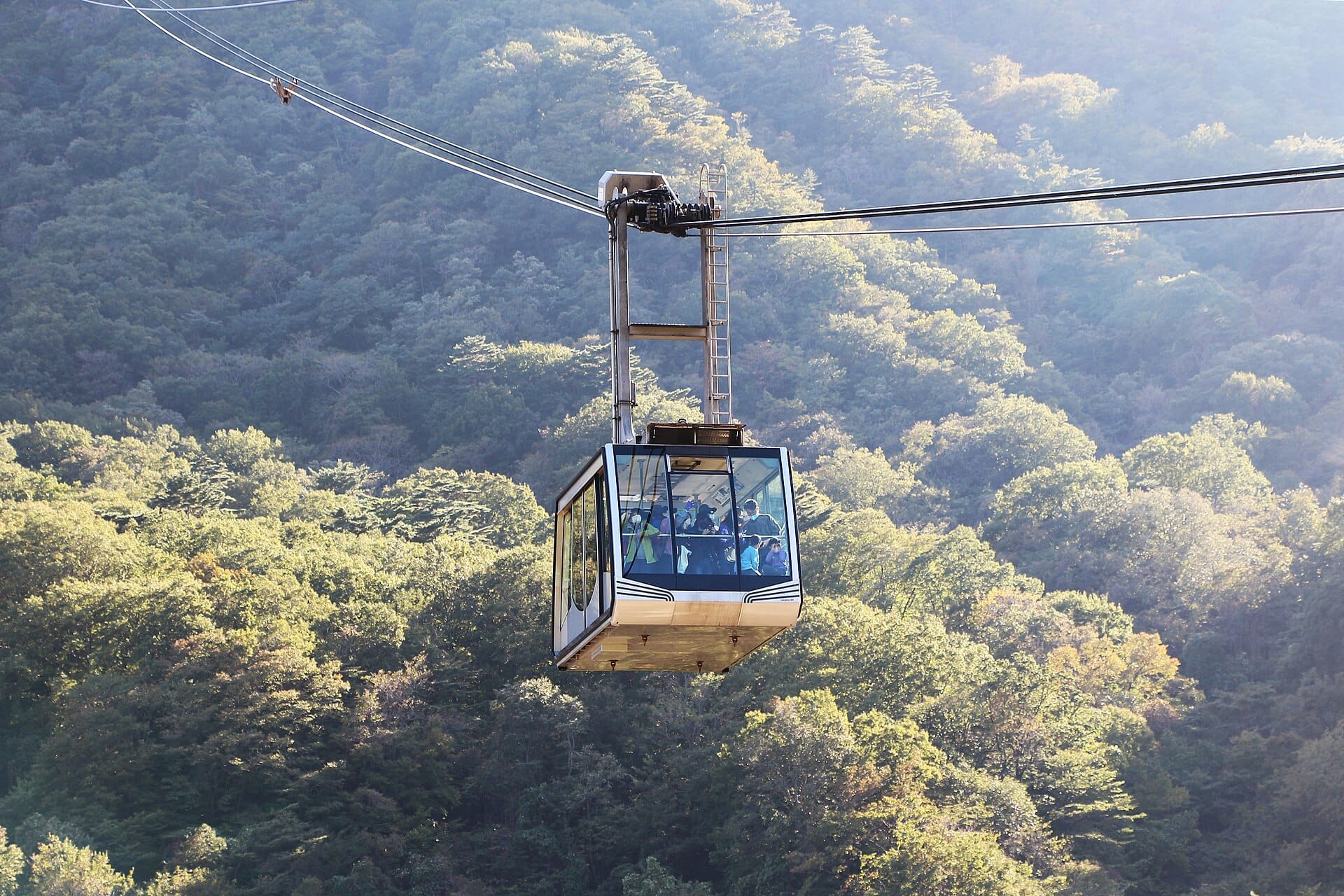
Since Seoraksan is the first — and for many visitors the most dramatic — stop on Korea’s 2026 color calendar, rooms in nearby Sokcho tend to fill up fast around its mid-to-late-October peak. A few real options to check: a beachfront hotel with sea-view terraces in every room🏨, a short drive from the park entrance; a central Sokcho hotel🏨 within walking distance of the fish market and ferry crossing to Abai Village; and a hotel near Daepo Port🏨 with balcony views over the East Sea. For a fuller rundown of neighborhoods and more options, our where-to-stay-in-Sokcho guide and our Seoraksan hiking guide cover trails, cable car tickets, and the bus from Seoul.
Some links on this page are affiliate links — trablind may earn a commission on bookings made through them, at no extra cost to you.
Forecast dates are the Korea Forest Service’s predictions and can shift with weather closer to the season — check official sources before locking in travel dates.