
Last Updated: July 2026
Quick answer: Chuseok 2026 — Korea’s autumn harvest holiday — falls on Friday, September 25, with the official public holiday running Thursday, September 24 through Saturday, September 26. Because the following Sunday is already a non-working day, no extra bridge day has been added and Monday, September 28 is a normal working day. Government offices, banks, and many small restaurants close, but the subway, convenience stores, malls, and major attractions stay open. It’s Korea’s busiest domestic travel period, so book KTX trains and central hotels as early as you can.
Chuseok (추석) is Korea’s version of a harvest thanksgiving — part family reunion, part ancestral memorial, part three-day national holiday during which tens of thousands of Seoul residents leave the city to visit their hometowns. For a first-time visitor, that matters in very practical ways: some restaurants and shops shut their doors, trains and highways get jammed, and the city itself gets noticeably quieter. This guide covers the exact 2026 dates, what closes and what doesn’t, whether it’s a good time to visit, and how to plan around it.
Below you’ll find the holiday background, the calendar, closures, and practical booking advice for trains and hotels.
Table of Contents
- What Is Chuseok?
- When Is Chuseok 2026?
- What Closes During Chuseok?
- What Stays Open During Chuseok?
- Do Tourists Get Free Palace Entry During Chuseok?
- Is Chuseok a Good Time to Visit Seoul?
- How to Book KTX Trains Around Chuseok
- Where to Stay During Chuseok
- Plan Your Trip
What Is Chuseok?
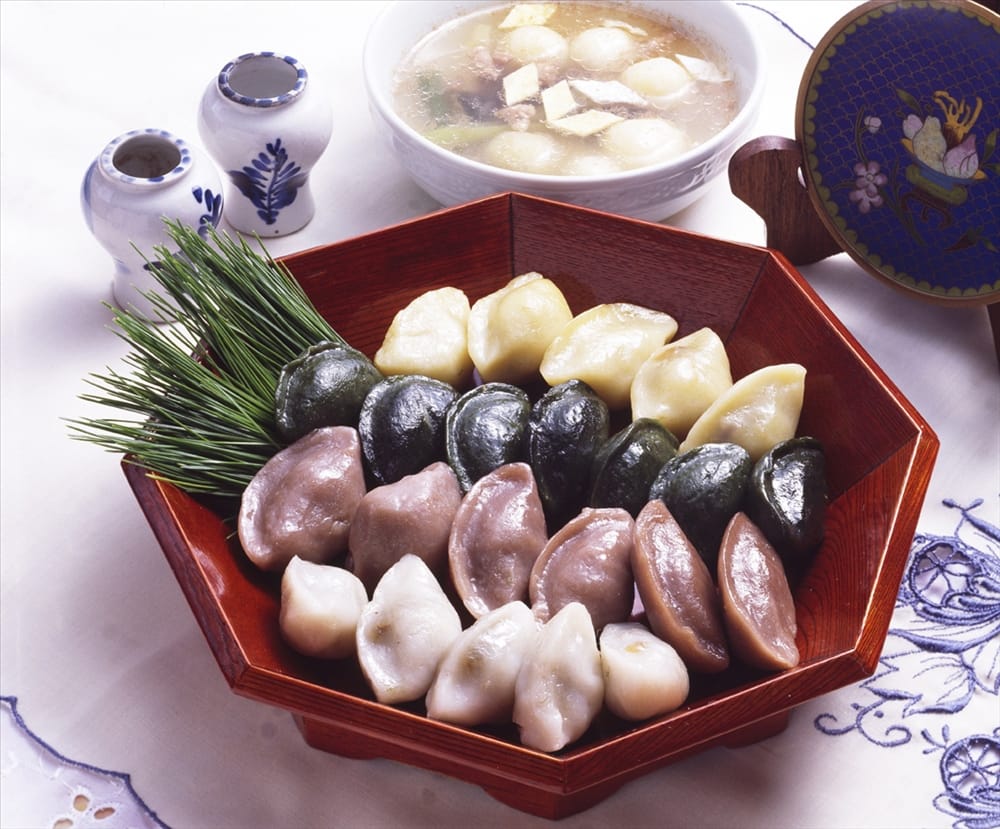
Chuseok, sometimes called Korean Thanksgiving, is a harvest festival held on the 15th day of the 8th lunar month — the full moon closest to the autumn equinox. Families travel to their hometowns to hold charye, a memorial rite honoring ancestors, and to share a table of seasonal food. The signature dish is songpyeon, half-moon-shaped rice cakes filled with sesame, chestnut, or sweet bean and steamed over pine needles. Traditional games, folk performances, and full moon-viewing round out the holiday’s cultural side. For background on the holiday’s origins and customs, see the Wikipedia entry on Chuseok.
When Is Chuseok 2026?
Chuseok day itself — the 15th day of the 8th lunar month — falls on Friday, September 25, 2026. Korea’s statutory holiday block runs the day before and the day after, so the official public holiday is Thursday, September 24 to Saturday, September 26, 2026, a three-day run. Because Chuseok’s usual substitute-holiday rule only adds an extra day off when the holiday overlaps a Sunday, and September 27, 2026 is already a Sunday, no bridge day is triggered — Monday, September 28 remains a normal working day. That’s a shorter break than 2025’s Chuseok, which stretched into a week-long holiday, so don’t assume the whole following week is quiet.
Korea’s official holiday calendar is confirmed by presidential decree closer to the date each year, so treat these dates as the strong consensus of Korean calendar and HR sources rather than a final government gazette — worth a quick double-check a month or two out if your trip lands right on the boundary.
What Closes During Chuseok?
Chuseok follows Korea’s standard public-holiday closure pattern, with a few holiday-specific additions:
- Government offices — immigration offices, city halls, and district offices (구청)
- Banks and post offices — ATMs keep working; in-branch service does not
- Many independent restaurants and cafés — especially family-run spots, since owners often travel to their hometown for the holiday
- Some traditional-market stalls — expect a quieter Gwangjang or Namdaemun market on the main holiday days
For a fuller rundown of what typically shuts during Korean public holidays, Korea4Expats’ Chuseok closures guide is a useful reference to check closer to your trip.
What Stays Open During Chuseok?
Tourist-facing Seoul mostly keeps running:
- Seoul Metro and buses — normal or extended holiday-schedule service
- Convenience stores — CU, GS25, 7-Eleven, and Emart24 operate 24 hours, often with hot food for the holiday
- Department stores and malls — Lotte, Shinsegae, and Hyundai generally keep regular hours
- Hotels — full service throughout, with Seoul often quieter than usual since many residents leave
- Major attractions — palaces, N Seoul Tower, and museums stay open, several with special Chuseok programming (see below)
- Chain restaurants in tourist districts — Myeongdong, Hongdae, and Itaewon keep serving even where a side-street family restaurant has shut for the week
Do Tourists Get Free Palace Entry During Chuseok?
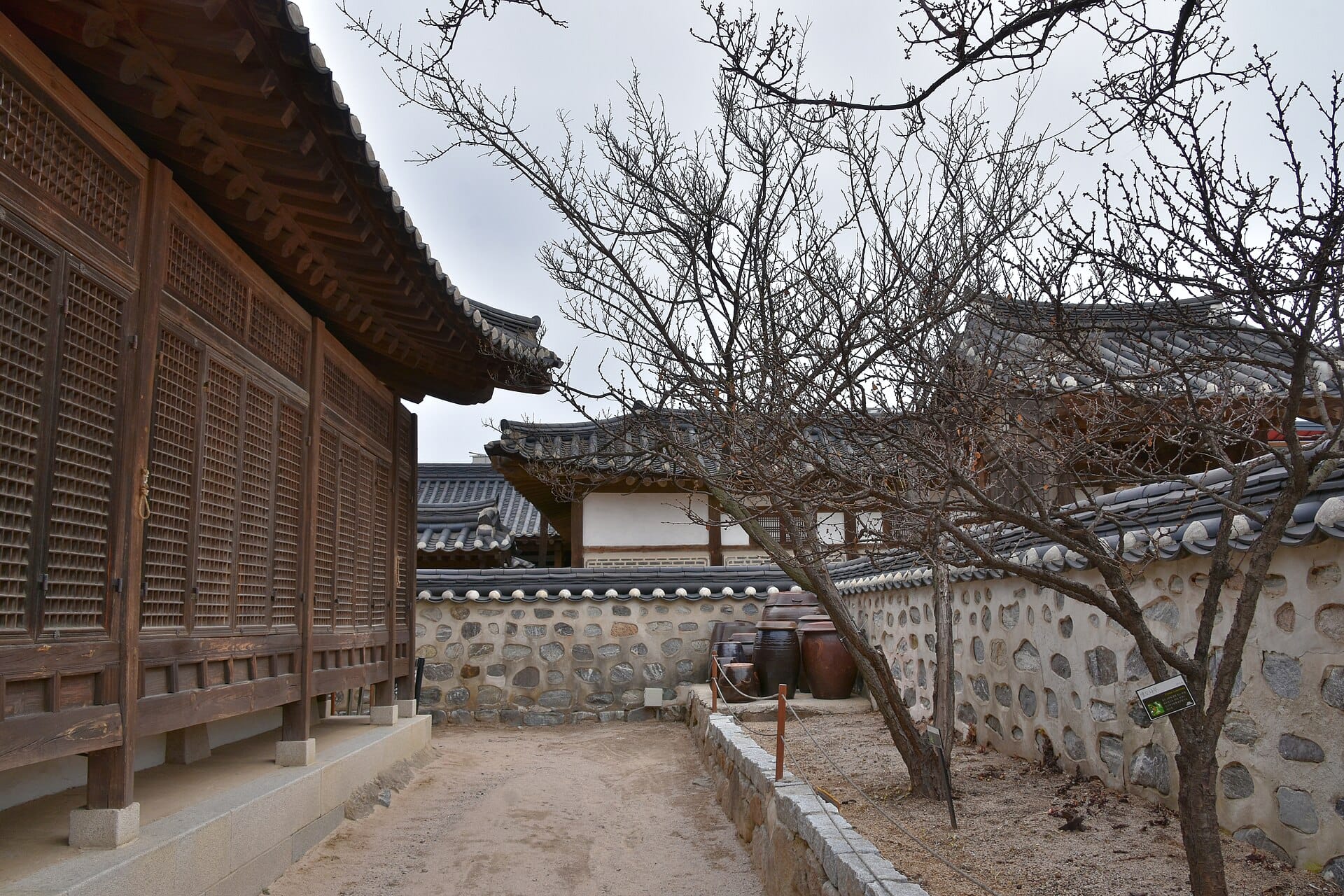
In recent years, Korea has waived admission at Seoul’s four main royal palaces — Gyeongbokgung, Changdeokgung, Changgyeonggung, and Deoksugung — plus Jongmyo Shrine, for part of the Chuseok holiday, often paired with extra folk performances and moon-themed events. That’s a strong, repeated pattern, though the 2026 dates and scope hadn’t been separately confirmed at the time of writing, so check the palace’s official notice or your hotel concierge once you’re closer to the date. Either way, one Chuseok perk is permanent: anyone wearing a hanbok gets free entry to all of Seoul’s royal palaces year-round, holiday or not. Our hanbok rental guide covers where to rent one near Gyeongbokgung, and our Gyeongbokgung Palace guide covers tickets, hours, and the changing-of-the-guard ceremony.
Is Chuseok a Good Time to Visit Seoul?
It’s a mixed bag, and which way it tips depends on what you’re after. On the plus side: the city is noticeably quieter as residents head to their hometowns, palace admission is often free with bonus folk performances, and Namsangol Hanok Village and similar sites run traditional games, music, and moon-viewing events built for visitors. Yeouido Park adds another free option for 2026 — see our guide to the Seoul Moon Chuseok event for the full schedule of games and photo spots running September 24 through October 5. On the downside: some neighborhood restaurants and market stalls close for a few days, KTX trains and highways get jammed with domestic travelers, and central hotel rooms can sell out or spike in price. In short, it’s a genuinely good window for palaces and culture if you plan meals around chain restaurants and tourist districts, and book your trains and rooms well ahead.
How to Book KTX Trains Around Chuseok
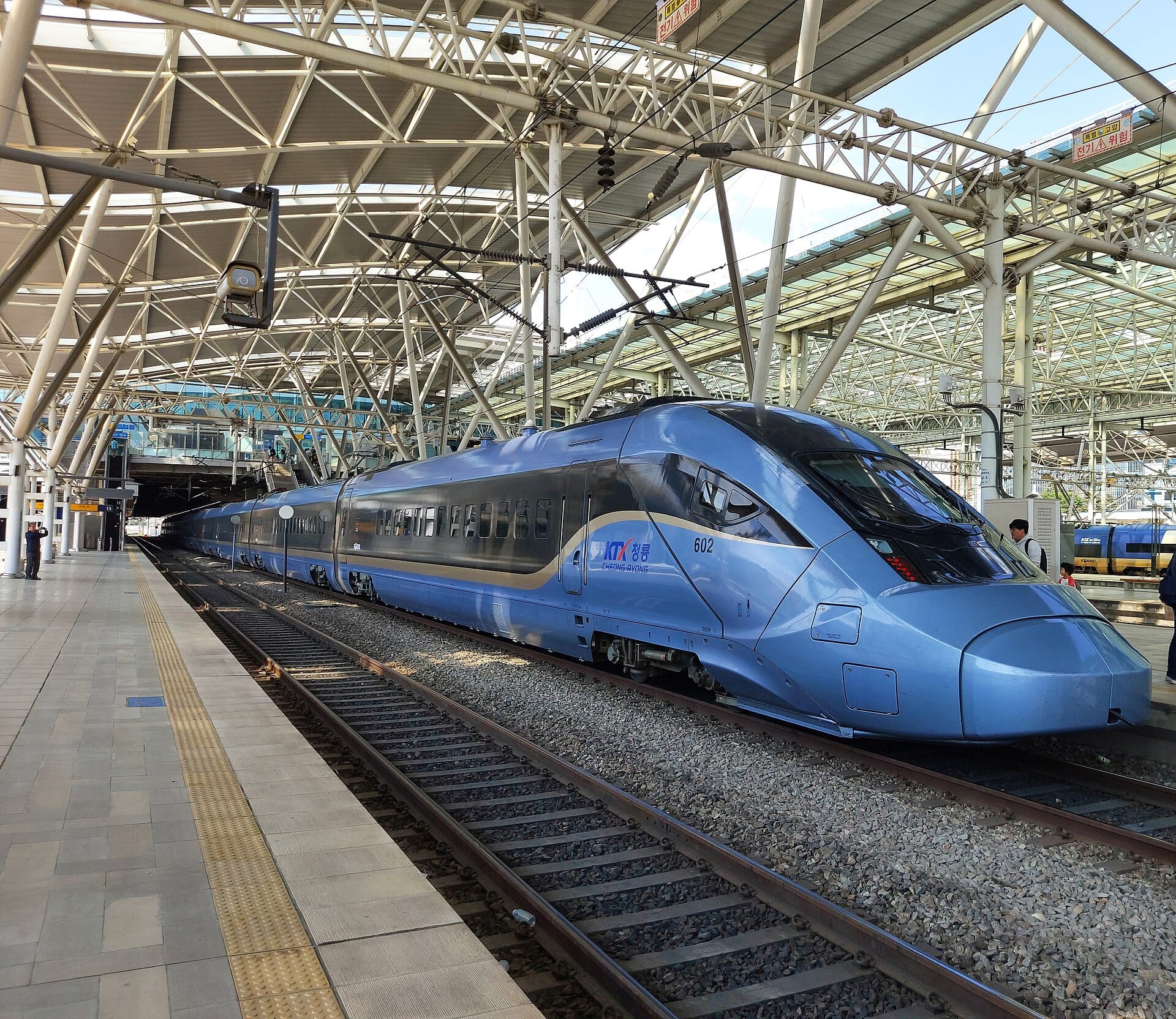
Chuseok is, along with Seollal (Lunar New Year), Korea’s single busiest domestic travel period — millions of people leave the cities for their hometowns over the same few days, and KTX high-speed trains on popular routes (Seoul–Busan, Seoul–Gwangju) sell out fast. KORAIL typically opens holiday-period reservations through a dedicated booking window about a month ahead, with priority booking for seniors and travelers with disabilities before general sales open; outside the holiday period, tickets are bookable up to 30 days in advance as usual. If your trip touches the Sept 24–26 window (or the days immediately around it), reserve your KTX tickets🚄 as early as your dates are confirmed rather than waiting until you land — for a closer look at the booking process itself, Stripes Korea’s guide to booking Chuseok train tickets walks through the KORAIL reservation window in more detail.
Booking opens earlier than most visitors expect — see when Chuseok 2026 KTX tickets go on sale for the exact release dates and the routes that sell out first.
Where to Stay During Chuseok
Here’s a quirk worth knowing: Chuseok can actually be a decent time to be based in central Seoul, precisely because so many locals leave the capital for their hometowns. Central neighborhoods like Myeongdong and Hongdae feel calmer than a normal weekend, even as trains out of the city fill up. That said, some travelers time trips around the holiday specifically for the quieter palaces, so rooms in the most popular areas can still tighten up — it’s worth comparing central Seoul hotels🏨 early rather than leaving it to the week of. Our guide to where to stay in Seoul breaks down the best-connected neighborhoods for a first trip.
Plan Your Trip
Start by booking your flights to Seoul✈️. Once your dates are set, weigh the timing against the rest of the season.
Weigh it against the rest of the season. Chuseok falls right in the middle of Korea’s best-loved travel window — see our guide to autumn in Seoul for when the foliage peaks, and our guide to the best time to visit Seoul for how every season compares.
Book the practical stuff early. Confirm your entry requirements, reserve your hanbok and trains ahead of the holiday rush, and if you want a folk-culture experience without the planning, you can also book a Seoul cultural experience🎫 that covers the traditional side of the city.
Disclosure: This post contains affiliate links. If you book through these links, I may earn a small commission at no extra cost to you. I only recommend services I’d use myself.